Technique
What Is Froissage? The Crumpled-Paper Art Technique
Written by Froissage Editorial Team · Updated
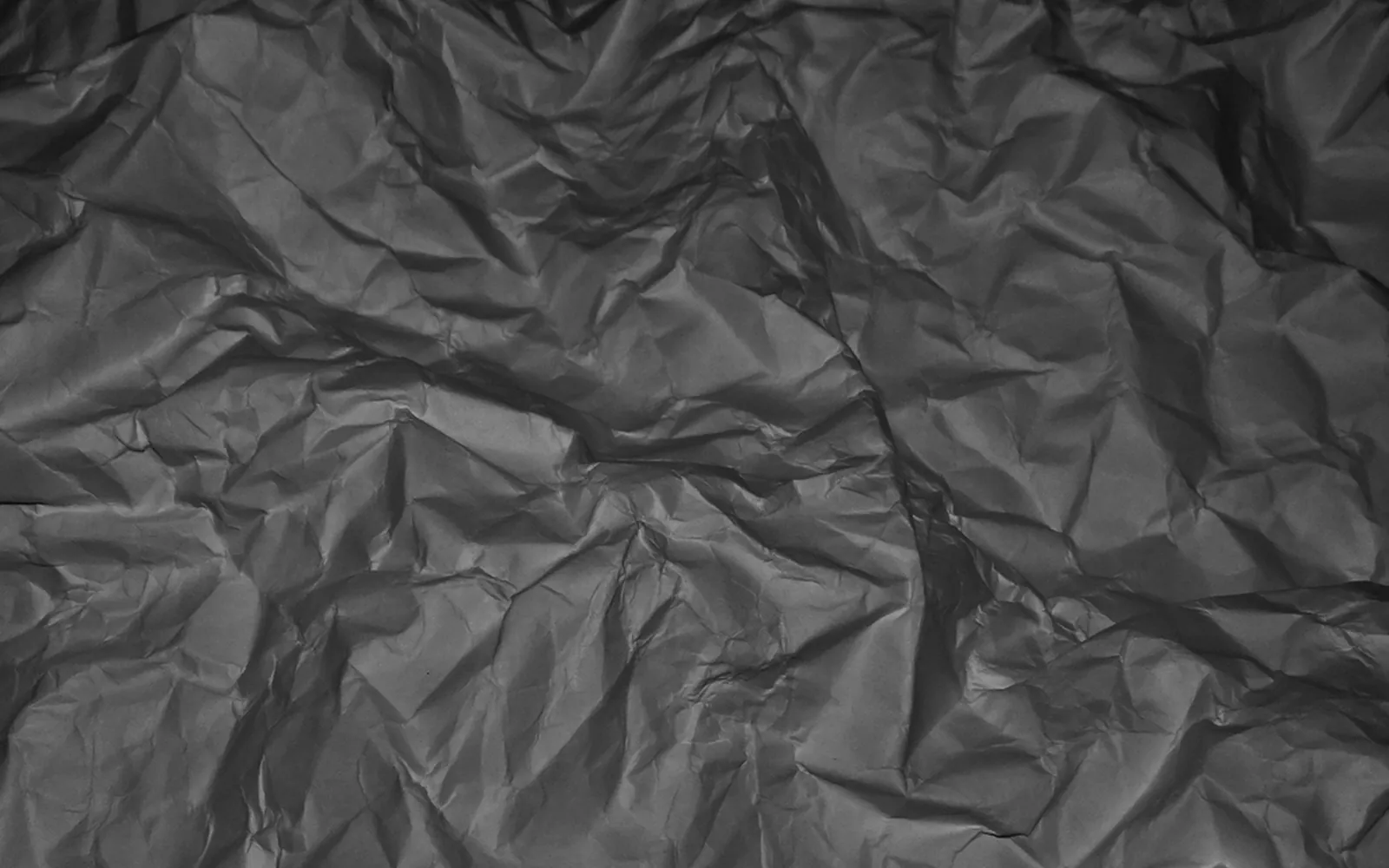
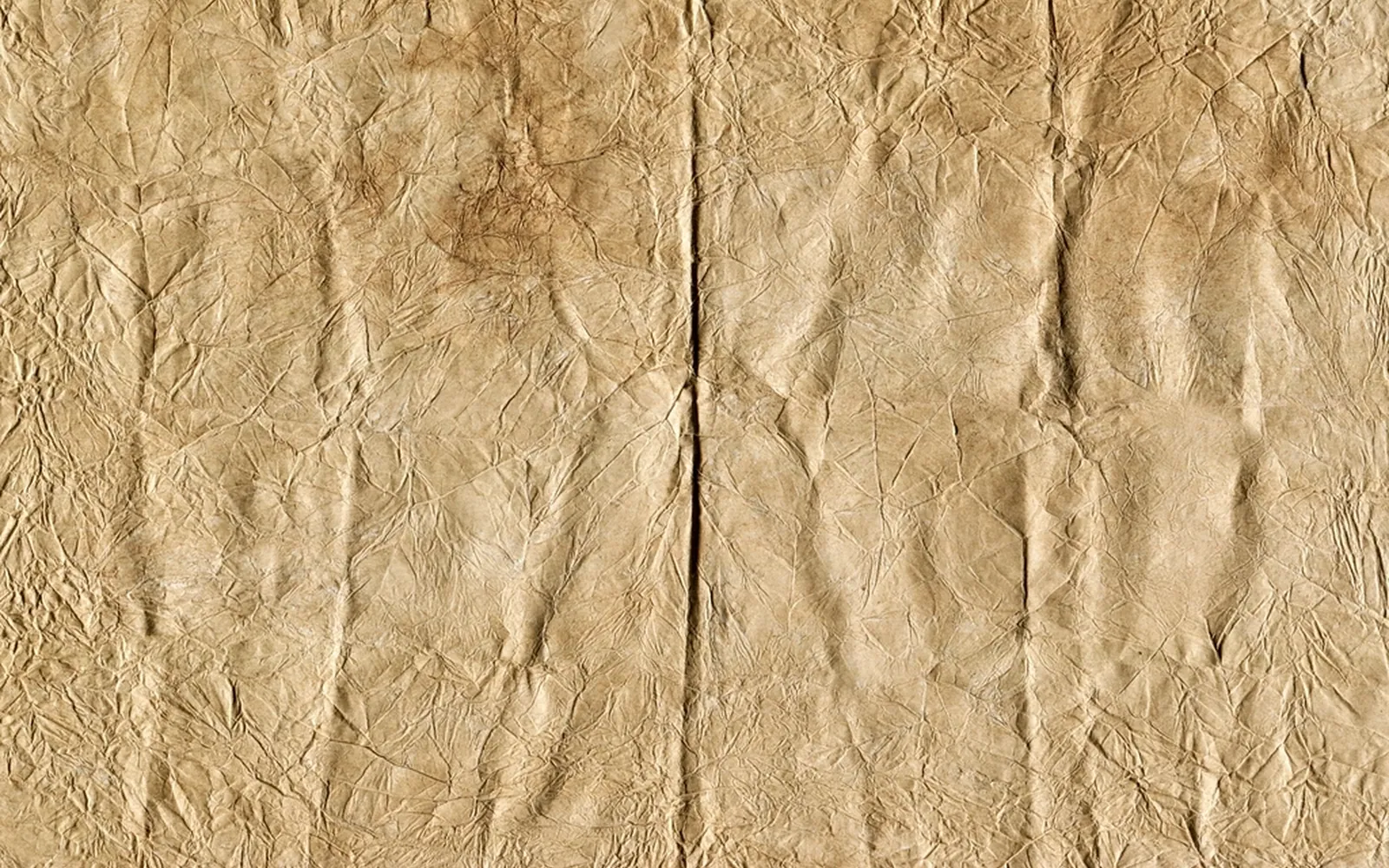
What is froissage? Froissage is an art technique built on a sheet of crumpled paper. You crumple the paper, smooth it out again and then treat the web of creases as a map: some lines become contours, some become shadows, and the shapes you start to see in them become the subject of the picture. Ink or watercolour is often washed over the sheet first, because liquid colour gathers in the broken fibres of the folds and makes the pattern visible.
The method is simple enough for a primary school art lesson and open-ended enough to have occupied a serious artist for decades. This page is the starting point for the whole site: a definition, a short history, the main variations and links to the detailed guides.
Froissage definition
Froissage is an ordinary French noun meaning “the act of crumpling or creasing”, formed from the verb froisser (to crumple, to crease) and the suffix -age. It is pronounced roughly frwah-SAHZH. Our page on the meaning of froissage covers the word and its other uses in French.
In art, the word names a specific procedure:
- A sheet of paper is crumpled by hand, more or less tightly.
- It is opened and flattened, leaving a network of ridges, valleys and broken fibres.
- Colour is applied. Diluted ink, watercolour or a dry medium picks out the creases.
- The artist looks into the pattern and draws out what it suggests: faces, figures, landscapes or purely abstract structures.
The result sits somewhere between drawing and collage. Wikipedia describes froissage as a method of collage in which the lines of a crumpled sheet are used to create a drawing. In practice the crumpled sheet is often also glued to a backing board, cut, combined with printed material, or worked over with other techniques.
Where froissage comes from
The technique is most closely associated with Ladislav Novák (1925-1999), a Czech poet and visual artist who spent most of his life as a teacher in the town of Třebíč. According to the Dutch publisher and gallery archive Multiples, he developed froissage around 1964, and it became the method that brought him most of his recognition. Novák often combined it with alchemage, his earlier practice of chemically treating printed reproductions. Read the full story in our Ladislav Novák biography.
His friend Jiří Kolář (1914-2002), the Czech poet who became one of the most inventive collage artists of the twentieth century, also used froissage alongside his own methods such as rollage and chiasmage. See Jiří Kolář’s collage techniques.
The underlying idea is older. In 1925 Max Ernst began making frottages by rubbing pencil over paper laid on a worn wooden floor, and the Surrealists went on to adopt grattage, decalcomania and fumage: ways of letting material accidents produce images that the artist then interprets. Froissage applies the same logic to the most ordinary material of all, a sheet of paper. Our history of froissage traces this lineage step by step, and Czech surrealism and froissage explains the Prague background.
Crumpling as a way of making images also appears independently in France. The painter Ladislas Kijno experimented with crumpled paper on canvas from the late 1940s, and in the 1960s Simon Hantaï and André-Pierre Arnal crumpled and folded whole canvases before painting them. These artists are covered in our guide to froissage artists.
What makes froissage different
Several chance-based techniques can look alike in photographs. The key differences:
| Technique | What creates the pattern | Typical tools | Associated with |
|---|---|---|---|
| Froissage | Creases made by crumpling the paper itself | Paper, diluted ink or watercolour | Ladislav Novák, Jiří Kolář |
| Frottage | Rubbing over a textured surface beneath the paper | Soft pencil, crayon, graphite | Max Ernst, from 1925 |
| Grattage | Scraping wet paint off a canvas laid over a texture | Palette knife, oil paint | Max Ernst, from 1927 |
| Decalcomania | Paint pressed between two surfaces, then pulled apart | Gouache, glass or paper | Óscar Domínguez, 1936 |
| Collage | Cut or torn materials glued together | Scissors, glue, printed matter | Braque, Picasso and many others |
The detailed comparison is in froissage vs frottage and in our overview of surrealist art techniques.
How froissage works in practice
Most froissage begins with a wet or semi-wet layer of colour. When you brush diluted ink across a crumpled sheet, two things happen: the pigment settles into the low points, and the cracked fibres along each crease absorb more liquid than the smooth surface. The creases darken and the pattern jumps out. Some artists apply colour while the paper is still crumpled, so only the raised ridges catch the paint; others flatten the sheet first.
The second half of the work is interpretation. Like seeing animals in clouds, you turn the sheet, look at it upside down and wait for a shape to appear. Then you reinforce it with a pen, a fine brush or coloured pencil, leaving the rest of the creases as texture. The full method, with timings and paper choices, is in our step-by-step froissage guide, and the most common problems are covered in froissage technique mistakes.
Materials you need
- Paper. Thin papers (printer paper, tracing paper, tissue, old book pages) give sharp, dense creases. Heavier watercolour paper gives fewer, softer folds and survives more water.
- Colour. Ink diluted with water, liquid watercolour, tea or coffee for a sepia effect. Pastels or graphite can be rubbed over the ridges instead.
- Drawing tools. A fine pen, brush pen, coloured pencils or white gel pen to bring out the image you find.
- Optional. Glue and a backing board, magazine pages for collage, a spray bottle.
See froissage materials for a fuller list and our guide to froissage with ink and watercolour for colour techniques.
Who uses froissage today
Froissage is used in three main settings:
- Fine art. Artists continue to use crumpled paper for drawings, prints and mixed-media work, and works by Novák and Kolář are held by Czech public collections such as the National Gallery Prague. Our froissage gallery explains where to see them.
- Education. Because it needs no drawing skill to start and every result is unique, it is a common project in art classes. See froissage for kids, the full froissage lesson plan and more crumpled paper art ideas.
- Illustration and design. Crumpled-paper textures are widely used as backgrounds, either photographed or made by hand and scanned. Combining them with cut paper is covered in froissage collage.
Froissage beyond the basic sheet
Once you know the basic method, froissage connects to many other techniques and projects on this site:
- Different paints. Ink is traditional, but froissage with acrylic paint allows glazing, wiping back and layering.
- Different ages. Very young children can start with crumpling and painting over creases; see crumpled paper art for preschoolers.
- Three dimensions. Crumpled paper can also be built into forms, as in crumpled paper sculpture.
- Related chance techniques. Paper marbling, decalcomania and frottage all create an unplanned texture first and invite you to find images in it.
- Large-scale froissage. In France, the painter André-Pierre Arnal crumpled whole canvases in the late 1960s.
The thread that ties these together is chance: an accident you provoke on purpose and then respond to. Our page on chance in art explains where that idea came from.
Where to go next
If you want to try it straight away, start with the step-by-step guide. If you are interested in the art history, read the history of froissage and then the artist profiles. Finished a piece you want to keep? Our guide on how to display froissage art explains flattening, mounting and framing. Quick answers are collected on the froissage FAQ.
Frequently asked questions
What is froissage in simple words?
Froissage is a way of making art from crumpled paper. You scrunch a sheet up, open it flat again, and then use the lines left by the creases as a guide for drawing or painting an image.
Who invented froissage?
As a named artistic method, froissage is credited to the Czech poet and artist Ladislav Novák (1925-1999), who developed it around 1964. Other artists used crumpled supports independently, for example the French painter Ladislas Kijno and, on canvas, Simon Hantaï and André-Pierre Arnal.
Is froissage a surrealist technique?
It grew out of the Surrealist interest in chance and automatism, and Novák drew on that tradition. It came later than the classic Surrealist methods of the 1920s and 1930s, so it is best described as a post-war technique in the Surrealist line.
How do you pronounce froissage?
In French it is pronounced roughly frwah-SAHZH, with a soft 'zh' sound at the end, like the 's' in 'measure'.
What is the difference between froissage and frottage?
Frottage records a texture by rubbing a pencil over paper laid on a rough surface. Froissage creates the texture in the paper itself by crumpling it. Both use chance to suggest images.
Sources
Editorial team
The Froissage.com editorial team researches the history of froissage from museum, encyclopedia and publisher sources and writes practical guides to the technique.