Artists
Ladislav Novák Froissage: The Czech Poet of Crumpled Paper
Written by Froissage Editorial Team · Updated
When people search for Ladislav Novák froissage, they are looking for the artist who turned crumpled paper into a lifelong method. Novák (1925-1999) was a Czech poet, a schoolteacher in a provincial town and one of the most original experimental artists of post-war Czechoslovakia. He is the figure Wikipedia credits with developing froissage, and the technique brought him most of his recognition.
Early life and education
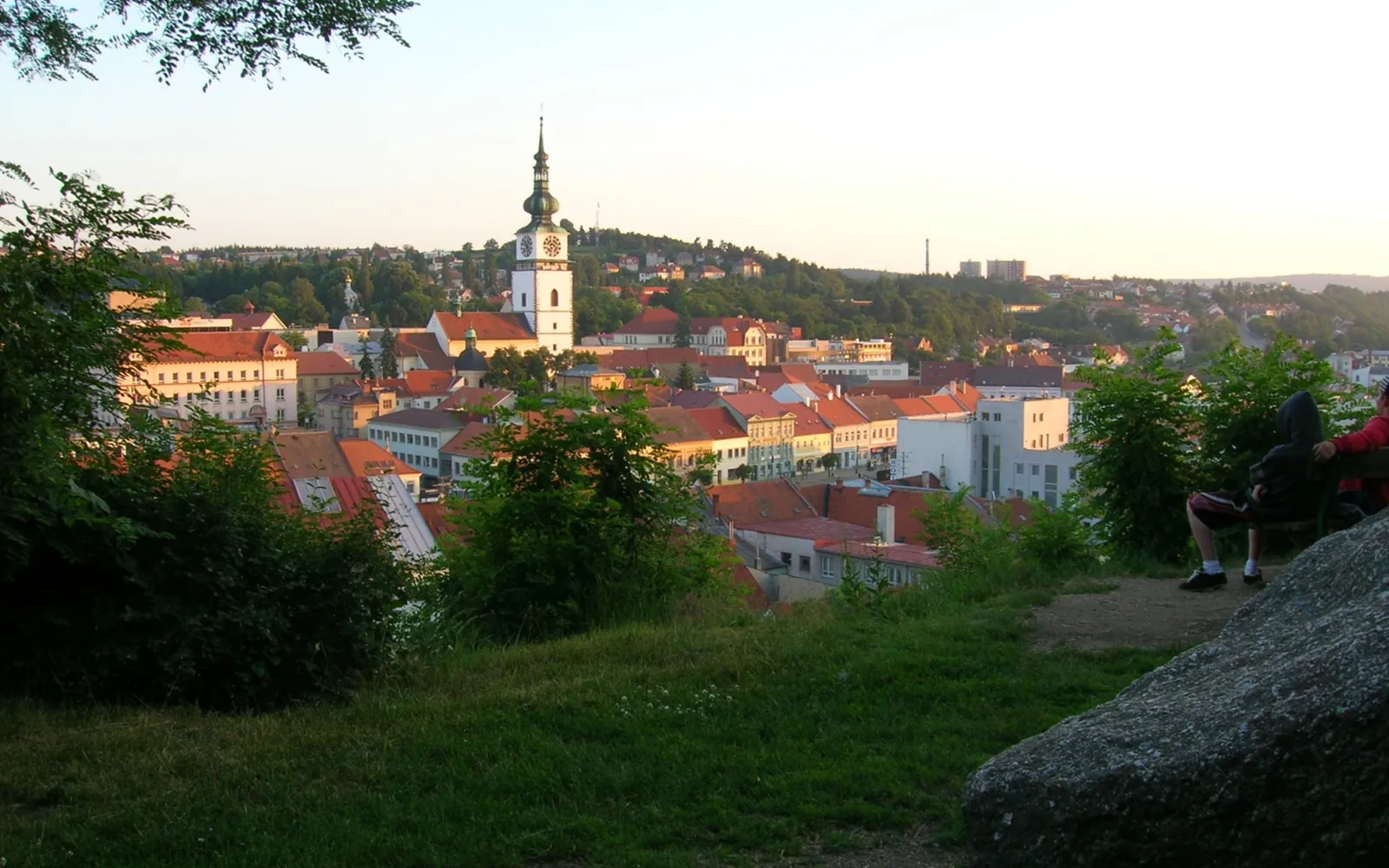
Novák was born on 4 August 1925 in Turnov, in northern Bohemia, and grew up in Třebíč in the Vysočina region. As a gymnasium student there he joined a student surrealist group and made contact with the poet Vítězslav Nezval, a founder of the Surrealist Group in Czechoslovakia, according to his English-language publisher Twisted Spoon Press. He graduated in 1944 and studied Czech and history at the Faculty of Arts of Charles University in Prague from 1945 to 1950, writing his thesis on rhyme and assonance in Nezval’s poetry.
In 1954 he returned to Třebíč to teach Czech at the gymnasium. He stayed there for the rest of his life, making regular trips to Prague from the late 1950s. That provincial base gave him freedom but, as Twisted Spoon notes, also limited the attention he received in the capital.
Poet first
Novák published poetry from the mid-1940s. In the 1950s and 1960s he became a pioneer of Czech sound poetry, making recordings, and of concrete poetry, where the visual layout of letters is part of the poem. With Jiří Kolář and Josef Hiršal he formed the first Czech Group of Experimental Poetry. His work appeared in the concrete poetry retrospective at the Stedelijk Museum in Amsterdam in 1971.
The move from visual poetry to visual art was natural. In the 1960s and 1970s he also wrote texts for and took part in happenings.
From poured paint to froissage
The Czech art database artlist.cz describes a sequence of experiments:
- Poured paint (late 1950s). Novák heard about Jackson Pollock’s action painting on the radio and began pouring paint in small, intimate works.
- Assemblage and objects (early 1960s). He soon moved on to objects, including a series called Roses.
- Alchemage. He chemically altered printed texts and images, letting reagents dissolve and transform them. A set of his alchemages from 1967 was exhibited in 1968.
- Froissage (from around 1964). Folding and crumpling paper, flattening it and drawing in the creases in ink combined with watercolour. Artlist.cz notes he developed this over almost four decades.
- Topological drawings. Also begun around 1964: drawings made of one continuous line that never crosses itself, sometimes continuing on the back of the sheet.
- Fumage. Drawings made with candle smoke, from the early 1970s.
Multiples, which published and exhibited his work in the Netherlands, notes that his most popular combination was froissage with alchemage. In these works the chemical blurring of a printed image and the random crease network interact, and Novák’s pen picks out figures from both.
What his froissages look like
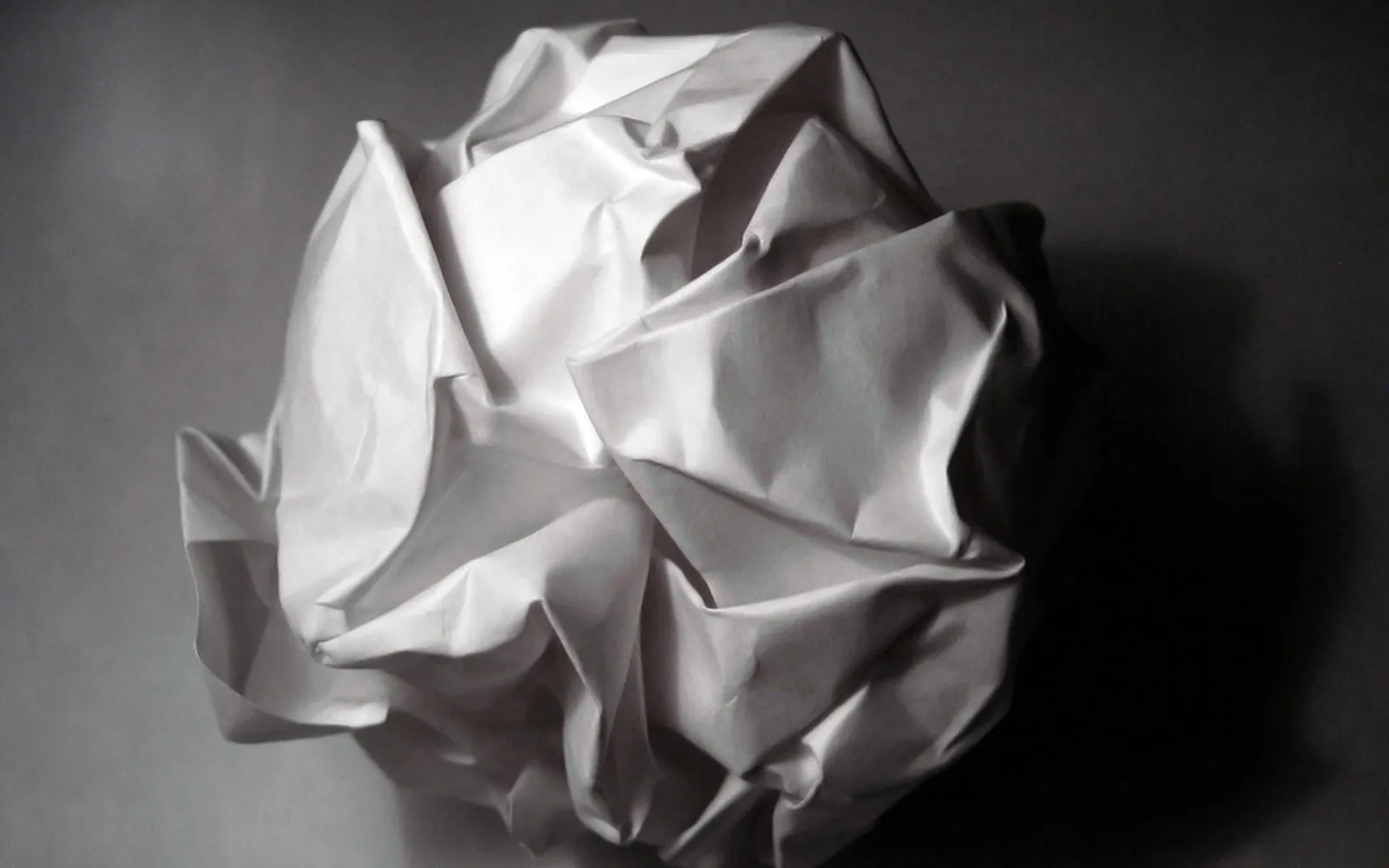
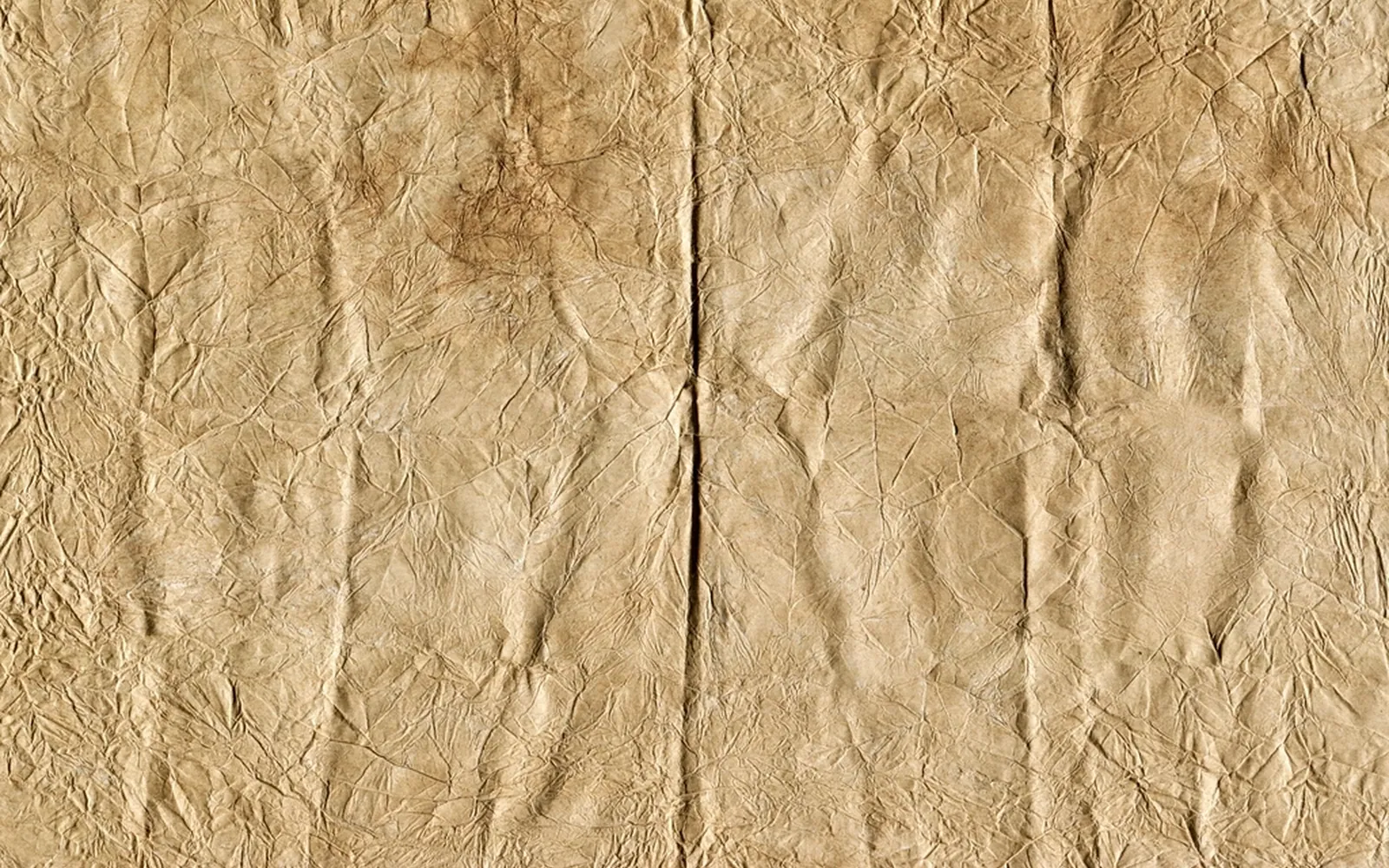
Novák’s froissages typically show a sheet whose entire surface is broken into small facets, washed with ink and watercolour, from which grotesque figures, heads, animals and hybrid creatures have been drawn out. The drawing follows the creases closely, so the figures seem to emerge from the paper rather than being placed on it. Titles are often poetic or ironic, connecting the images back to his writing.
We do not reproduce his works here because they are still in copyright. The Slovak National Gallery’s online collection and article on Kolář and Novák, linked below, show several of them. For how to try the method yourself, see our step-by-step froissage guide.
Smoke, chance and the inherited toolkit
Novák’s methods are easier to understand alongside the Surrealist techniques he grew up with. As a student he belonged to a surrealist group in Třebíč and was in contact with Vítězslav Nezval, and the Surrealists of the 1930s had already made chance into a method: Max Ernst’s frottage from 1925, Óscar Domínguez’s decalcomania in 1936, and Wolfgang Paalen’s fumage, pictures made with candle smoke, first shown in London in 1936.
Novák took up smoke himself. Artlist.cz lists fumage drawings made with candle smoke among his techniques from the early 1970s, next to froissage, alchemage and topological drawings. In each case the procedure produces an unplanned field of marks and Novák’s pen picks out figures from it. Our guide to the fumage art technique explains the method and why it is a technique for adults only, and our page on pareidolia in art explores why such accidental marks so readily suggest faces and creatures.
His grotesque heads and hybrid creatures also make his work a natural reference for classroom projects. Our seasonal Halloween froissage monsters project introduces children to his way of finding figures in creases, without reproducing his copyrighted works.
Exhibitions
Selected exhibitions listed by artlist.cz and Multiples:
- 1965: solo exhibition, Galerie Václava Špály, Prague
- 1970-1971: Galerie Les Mains Libres, Paris
- 1974: exhibitions in Milan, Turin and Zürich
- 1976: Galerie Lambert, Paris; Galerie A, Amsterdam (again in 1981, with a catalogue introduced by the French sound poet Henri Chopin)
- 1982: Brown Gallery, Washington D.C.
- 1992: retrospective, Galerie Václava Špály, Prague
- 2002: retrospective at the Kinsky Palace, National Gallery Prague
- 2010: solo exhibition, Museum Kampa, Prague
Banned at home
From 1979 the communist authorities prohibited Novák from exhibiting and publishing in Czechoslovakia. He continued to show abroad, with support from the Czech critic Jindřich Chalupecký, and gained particular recognition in Italy and France. The 1980s exile of his friend Kolář shows how precarious the situation was for experimental artists; see the history of froissage for the wider context.
Legacy
Novák died suddenly on 28 July 1999 in Třebíč. A gallery named after him has operated in the town since 2002, according to the Slovak National Gallery, and in 2026 the Slovak National Gallery in Bratislava presented a joint exhibition, Homage to Flies, Spiders, Fish, Mice and Dogs, of his work with Kolář’s. His works are in the National Gallery Prague, the Moravian Gallery in Brno, the Prague City Gallery, the Gallery of Modern Art in Hradec Králové and the Sackner Archive of Visual and Concrete Poetry in Miami, among others.
For the other artists who used crumpled supports, see froissage artists. For his friend and collaborator, read Jiří Kolář’s collage techniques.
Frequently asked questions
Who was Ladislav Novák?
Ladislav Novák (1925-1999) was a Czech poet and visual artist, a pioneer of concrete and sound poetry, and the artist most closely associated with froissage, the technique of drawing from the creases of crumpled paper.
What is alchemage?
Alchemage (Czech alchymáž) was Novák's method of chemically treating printed texts and images, for example pages from illustrated magazines, so that they dissolved, ran and changed. He often combined it with froissage.
Where can I see Ladislav Novák's work?
His work is held by the National Gallery Prague, the Moravian Gallery in Brno, the Prague City Gallery and other Czech collections, as well as the Sackner Archive of Visual and Concrete Poetry. A gallery devoted to him has operated in Třebíč since 2002. Check each institution's website for what is currently on display.
Did Ladislav Novák invent froissage?
He is credited with developing froissage as an artistic method around 1964. Crumpled paper and canvas were used by some other artists independently, but the named method is his.
Sources
Editorial team
The Froissage.com editorial team researches the history of froissage from museum, encyclopedia and publisher sources and writes practical guides to the technique.