Artists
Froissage Artists: Novák, Kolář, Kijno, Hantaï and Arnal
Written by Froissage Editorial Team · Updated
Ask about froissage artists and two Czech names come first: Ladislav Novák and Jiří Kolář. But crumpling as a way of making images has a wider history, and several French painters reached it by different routes. This hub introduces each artist, what they did with crumpled paper or canvas, and where to learn more.
Ladislav Novák (1925-1999)
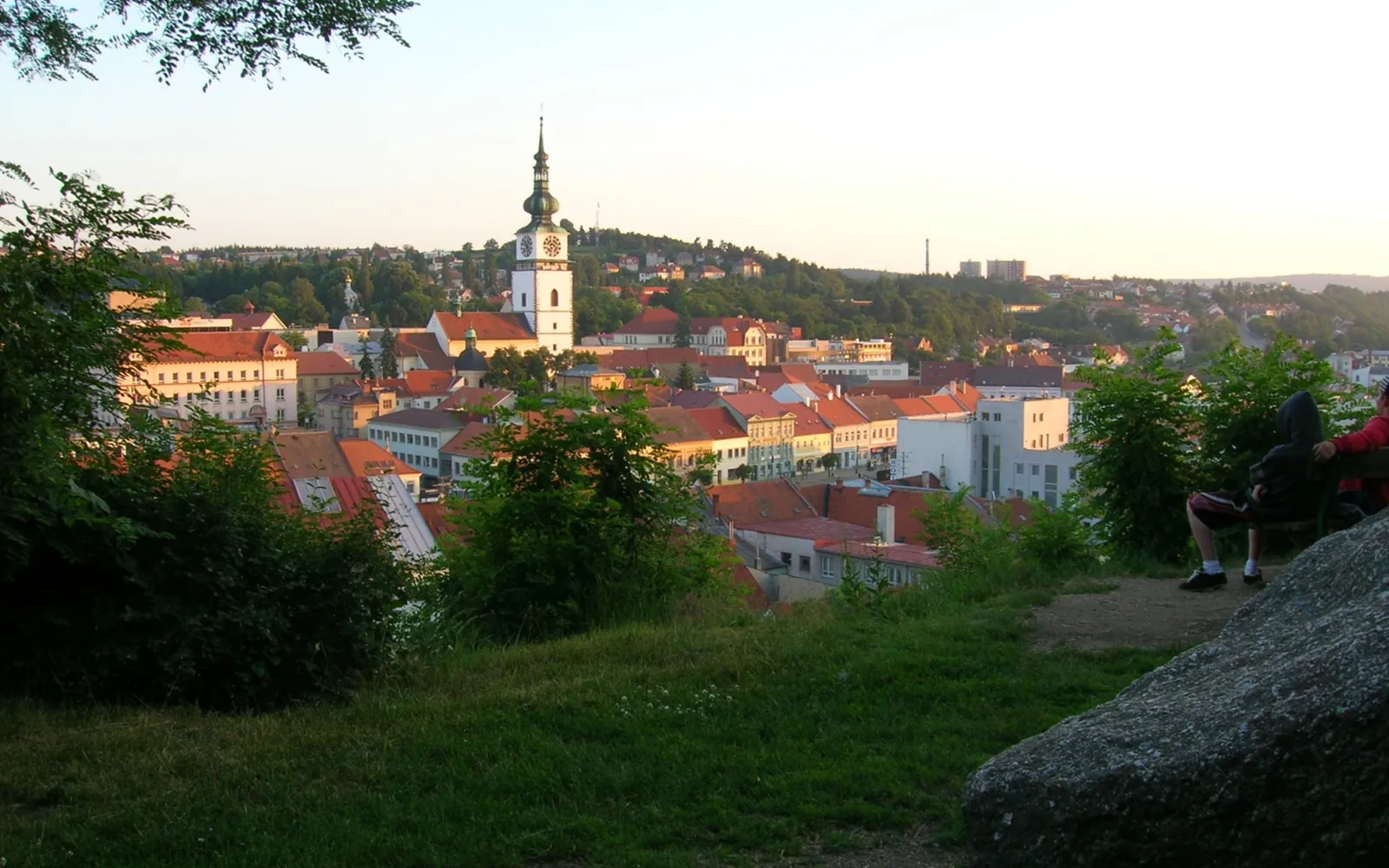
The Czech poet and artist credited with developing froissage around 1964. Novák lived and taught in Třebíč, crumpled sheets of paper, flattened them and drew into the creases in ink and watercolour, often after chemically treating printed images in a process he called alchemage. His froissages are full of figures and creatures teased out of the crease network. He was barred from exhibiting at home from 1979 but showed widely abroad.
Full profile: Ladislav Novák and froissage.
Jiří Kolář (1914-2002)
Novák’s friend and fellow experimental poet, and one of the most inventive collage artists of the century. Kolář gave names to dozens of methods, including rollage, chiasmage and confrontage. Encyclopaedia Universalis lists froissages among his works of the 1960s, and he also made crumplages, crumpled reproductions flattened and mounted. Exiled in 1980, he lived in Paris until returning to Prague, where he died in 2002.
Full profile: Jiří Kolář’s collage techniques.
Ladislas Kijno (1921-2012)
A French painter of Polish origin, born in Warsaw and raised in the mining town of Nœux-les-Mines in northern France. According to the Encyclopaedia Universalis, shortly after completing a theology degree in Lille in 1946 he began experimenting with crumpled paper on canvas, producing abstract ovoid forms. After settling near Paris in the late 1950s he added aerosol spray paint, and the combination of crumpled paper and spray became his signature. He was invited to the Venice Biennale in 1980. Read the full profile: Ladislas Kijno froissage.
Kijno’s work is a reminder that crumpling had its own French history, parallel to the Czech one. A short film about his froissage is linked from the English Wikipedia article on the technique.
Simon Hantaï (1922-2008)
A Hungarian-born painter who settled in Paris and was briefly close to the surrealists in the early 1950s. In 1960 he began what he called le pliage comme méthode, folding as method. He folded, crumpled or knotted the canvas, painted the exposed areas without seeing the whole, then unfolded it to reveal a pattern of colour and reserved white. Universalis connects the method partly to Hungarian folk art. His series Mariales (1960-1966) came from tight, irregular folding; the Meuns (1967-1968) from wider folds and knots.
Pliage is not froissage on paper, but it shares the same principle: give up control over the pattern, then work with what appears. The Fondation Gandur pour l’Art notes that Hantaï used crumpling in Manteau de la Vierge in 1962. More in our page on Simon Hantaï’s pliage.
André-Pierre Arnal (1939-2024)
A founding member of the French group Supports/Surfaces, which around 1970 took painting apart into its physical components. In 1968 Arnal made Froissage, a large work (350 x 238.8 cm) in which an unstretched canvas was crumpled and sprayed with paint so that random forms appeared. It is now in the Fondation Gandur pour l’Art in Geneva, which highlights Hantaï’s influence. Arnal later developed a series of folded canvases, Pliages, one of which is in the Centre Pompidou.
Comparing the approaches
| Artist | Support | What crumpling does | Final step |
|---|---|---|---|
| Novák | Paper | Creates a line network | Drawing in ink and watercolour |
| Kolář | Printed reproductions | Distorts an existing image | Mounting, collage |
| Kijno | Paper on canvas | Creates relief and texture | Spray paint |
| Hantaï | Canvas | Hides areas from the brush | Unfolding reveals the pattern |
| Arnal | Unstretched canvas | Masks parts from the spray | Unfolding, hanging free |
Why crumpling appealed to such different artists
It is worth asking why artists with very different aims all arrived at crumpling. For Novák, the crumpled sheet was a generator of images: a way of starting a drawing without deciding in advance what it would show, in line with the surrealist chance he had absorbed as a young man. For Kolář, crumpling was one of many ways of attacking an existing printed picture, part of a lifelong investigation into how images survive being cut, torn and deformed. For Kijno, crumpled paper provided relief and rhythm on canvas, and later a surface for spray paint to cling to. For Hantaï and Arnal, the motive was almost the opposite of Novák’s: folding and crumpling were ways of removing the painter’s hand and composition, so that the painting would be produced by a procedure rather than by skill.
What they share is a willingness to let the material decide part of the result. That is why the same simple action can sit at the centre of figurative drawings in Třebíč and of large abstract canvases in France. If you want to understand that common principle, our page on surrealist art techniques traces the idea back to Max Ernst’s frottage.
More artists in the chance tradition
The artists above used crumpling directly. Several others belong to the same family of chance techniques and help explain where froissage came from and where it went.
- André-Pierre Arnal (1939-2024), linked to the French group Supports/Surfaces, crumpled a canvas more than three metres tall in 1968 and sprayed it with paint, then turned to systematic folding in the 1970s. See André-Pierre Arnal and froissage.
- Óscar Domínguez (1906-1957) made decalcomania a Surrealist method in 1936 by pressing gouache between two sheets. See Óscar Domínguez and decalcomania.
- Wolfgang Paalen (1905-1959) developed fumage, drawing with candle smoke, in 1936-37. See Wolfgang Paalen and fumage.
All three, like Novák and Hantaï, start with a gesture whose result they cannot fully control and then decide what to keep. Our overview of chance in art traces that idea from Leonardo’s stained walls to John Cage. As with the other modern artists on this page, their works are still in copyright, so we describe them and point to museum records rather than reproduce them.
Where to see their work
Novák and Kolář are well represented in Czech public collections, especially the National Gallery Prague. Hantaï gave a major group of works to the Centre Pompidou in 2003, and the museum held a large retrospective in 2013. Arnal’s Froissage is in the Fondation Gandur pour l’Art. Our froissage gallery page explains how to search these collections online.
For the bigger picture, read the history of froissage and Czech surrealism and froissage, or try the technique yourself with our step-by-step guide. Before froissage had a name, the photographer Brassaï and Salvador Dalí presented rolled and crumpled scraps as accidental sculptures in Minotaure in 1933; see Brassaï’s Involuntary Sculptures.
Frequently asked questions
Who is the most famous froissage artist?
Ladislav Novák is the artist most closely identified with froissage, and Jiří Kolář is the best-known artist internationally to have used it.
Did any French artists use froissage?
Yes. Ladislas Kijno (1921-2012) worked with crumpled paper on canvas and is known in France for froissage. Simon Hantaï and André-Pierre Arnal crumpled and folded canvases; Arnal titled a 1968 work Froissage.
What is the Supports/Surfaces group?
Supports/Surfaces was a French group active around 1970 that took painting apart into its components: canvas, stretcher, colour. Members often freed the canvas from its frame and folded, crumpled, sewed or cut it. André-Pierre Arnal was a member.
Are there contemporary froissage artists?
Many contemporary artists and illustrators use crumpled paper, but we list only artists whose use of the technique is documented by museums or reference works. Search museum collection databases for the term froissage to find current examples.
Sources
- Froissage - Wikipedia
- Ladislav Novák - artlist.cz
- Jiří Kolář - Encyclopaedia Universalis
- Ladislas Kijno - Encyclopaedia Universalis
- Simon Hantaï - Encyclopaedia Universalis
- André-Pierre Arnal, Froissage (1968) - Fondation Gandur pour l'Art
- André-Pierre Arnal, Pliage (Grand triangle bleu et rouge) - Centre Pompidou
Editorial team
The Froissage.com editorial team researches the history of froissage from museum, encyclopedia and publisher sources and writes practical guides to the technique.