Technique
How to Flatten Crumpled Paper: Safe Methods That Work
Written by Froissage Editorial Team · Updated
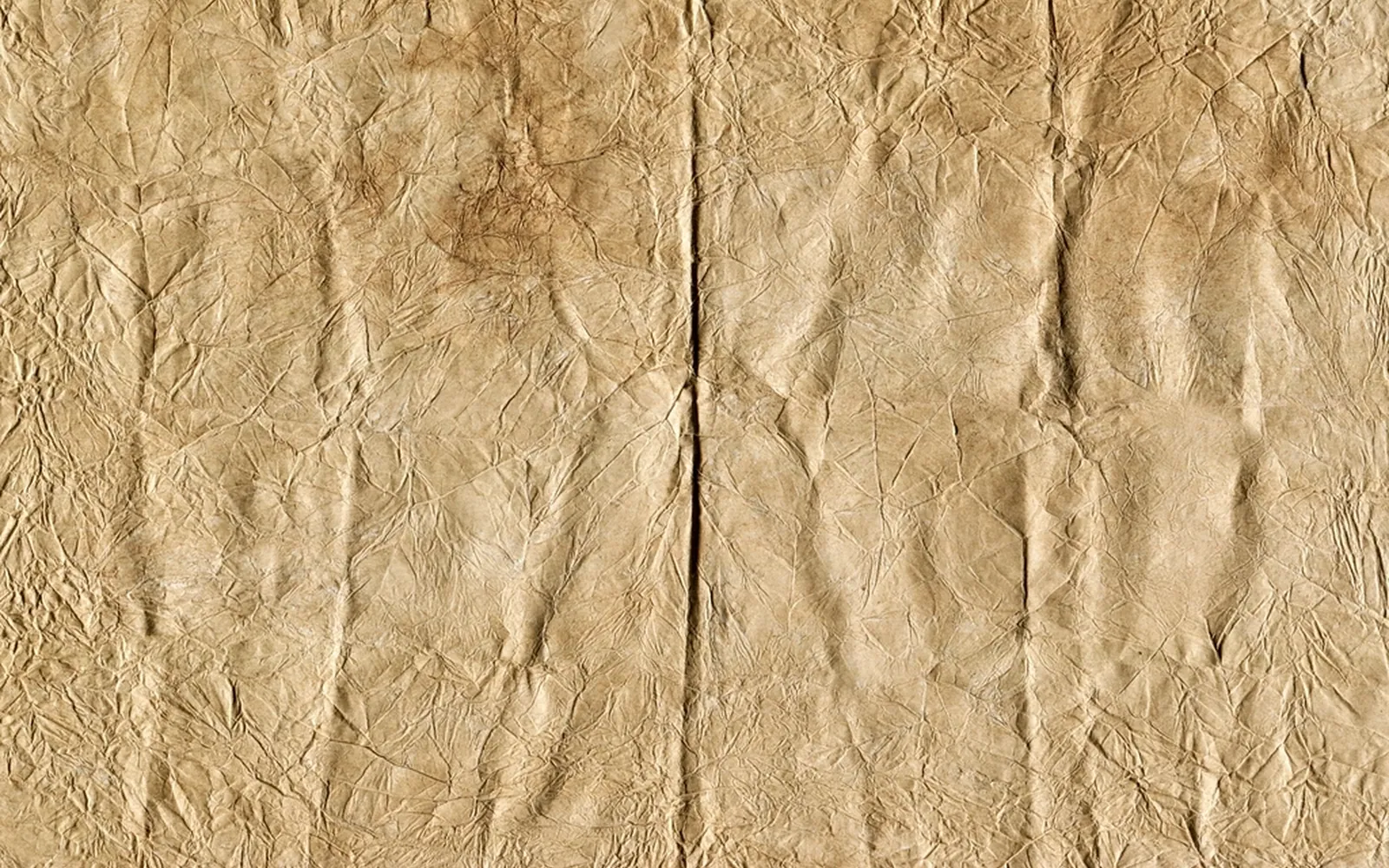
How to flatten crumpled paper depends on what the paper is. A crumpled letter, a school worksheet, a froissage drawing and a century-old map all need different care. The good news is that most modern paper can be made to lie flat again with patience, weight and sometimes a little moisture. This guide covers the safe methods, from pressing under books to the humidification approach conservators use, and explains when you should not try it yourself.
On this site we usually crumple paper on purpose, so the question also comes up after a froissage session: how do you get a crumpled artwork flat enough to frame or scan without losing its texture? We cover that too.
First: what kind of paper is it?
Before you do anything, sort the item into one of two groups.
Everyday modern paper. Printer paper, cartridge paper, children’s drawings, your own froissage experiments, receipts you want to keep. You can try the methods below.
Old, valuable or delicate items. Historic documents, photographs, parchment, coated or glossy papers, drawings in chalk, charcoal or pastel, anything with mould, large tears or iron gall ink. The US National Park Service’s conservation leaflet advises sending such items to a professional and warns against forcing open paper whose condition you are unsure of, especially in very dry air.
Method 1: Press under weight
This is the simplest and safest method for sturdy modern paper.
- Open the sheet slowly. Smooth it with the side of your hand from the centre outward.
- Lay it between two clean sheets of plain or blotting paper.
- Place it on a hard, flat surface: a table, a drawing board or a large book.
- Put a board or a large flat book on top, then add even weight such as a stack of books.
- Leave it at least overnight, ideally several days.
Pressing works because paper slowly relaxes under constant pressure. It will not remove the crease lines, but it will make the sheet lie flat. Heavy papers need longer.
Method 2: Humidify, then press
Dry paper resists flattening because the fibres are stiff. Moisture relaxes them. The National Park Service describes three basic steps: clean the surface, humidify, then flatten under weight. Its method uses a closed enclosure such as a lined box with a water source that does not touch the paper; the paper takes up moisture from the air over a few hours. The Missouri State Archives guidance describes the same principle: water vapour relaxes the fibres, then the sheet is pressed and dried.
A simple home version for modern paper:
- Put the sheet in a large plastic storage box, supported on a rack or clean dry towel.
- Place a shallow dish of water in the box, not touching the paper. Close the lid.
- Check after an hour or two. When the paper feels soft and limp, take it out.
- Lay it between absorbent sheets, add a board and weight, and leave it overnight. Change the absorbent sheets if they feel damp.
Do not spray water directly on artwork: water-based inks can run, and drops leave tide marks. The NPS also notes that there is always some risk when paper meets moisture, which is why valuable items belong with a conservator.
Method 3: Ironing, with care
For plain modern paper, an iron is quick. Use a dry, low setting with no steam. Place the paper between two clean cotton cloths or sheets of plain paper and press, rather than slide, the iron for a few seconds at a time. Let it cool under weight.
Never iron:
- drawings with wax crayon or oil pastel, which melt and smear;
- acrylic paintings, which can soften and stick;
- photographs, glossy prints or laminated sheets;
- anything old, valuable or not yours.
Flattening froissage and crumpled-paper artwork
A finished froissage drawing should keep its creases; they are the subject. You just want it flat enough to frame or scan.
- Let all ink, watercolour or acrylic dry completely, ideally for a day.
- Press it face down between clean sheets under a board and books for one or two days.
- If it is very stiff, humidify lightly as above, but only if the media are water-resistant (dry acrylic is; most inks and watercolours are not).
- To display it, use a deep frame or a mount that holds the edges, as described in how to display froissage art.
For acrylic-based crumpled work, see froissage with acrylic paint. For photographing or scanning the texture once it is flat, see crumpled paper texture photography.
Why creases stay visible
Crumpling breaks and bends fibres along each fold. Pressing and moisture can bring the sheet back to a plane, but the broken fibres remain, so the crease lines show, especially under light from the side. That is a nuisance for documents but a gift for artists: it is exactly what makes what is froissage work, and why aged paper looks the way it does (see how to make paper look old).
Quick answers by situation
- Child’s crumpled drawing: press under books for two or three days.
- Important letter or certificate: if modern and not too stiff, press; if old or brittle, ask a conservator.
- Map or poster that has been rolled and crushed: humidify in a box, then press under a board.
- Crumpled banknote: press under books; do not iron notes with polymer or security features.
- Your own froissage practice sheets: press them in a stack between plain paper and keep them as textures for froissage collage.
The opposite aim: softening paper on purpose
Sometimes the goal is not to flatten crumpled paper but to crumple it so thoroughly that it changes character. In Japan, the technique called momigami treats strong kōzo washi with konnyaku starch and kneads it repeatedly until it becomes soft and flexible enough for clothing and bindings. The creases never go away; they become the texture of a new material. See momigami.
Artists have also used paper precisely because it was already creased and worn. Kurt Schwitters built his Merz collages from tickets, wrappers and newspaper scraps that had been used and handled (see Kurt Schwitters and Merz collage). If you are flattening paper scraps for a collage like that, press them only lightly: a little relief and a few old folds make found paper look like what it is.
Why do creases survive every attempt to remove them? A crease is a line where the sheet has been permanently deformed, and researchers who crumple thin sheets repeatedly treat the crease network as a record of that damage. Our page on the science of crumpled paper explains what they found.
Frequently asked questions
Can crumpled paper be made perfectly flat again?
Not usually. Pressing and humidification make it lie flat, but the fibres keep some memory of the creases, which stay visible in raking light.
How long should I press crumpled paper under books?
At least overnight, and often several days for heavy paper. Check after a day; if it springs back, continue or try humidifying first.
Can I iron crumpled paper?
Plain modern paper can be ironed on a low, dry setting through a clean cotton cloth. Do not iron artwork with wax crayon, oil pastel, acrylic, glossy coatings, photographs or anything old or valuable.
How do conservators flatten paper?
The US National Park Service describes three basic steps: surface cleaning, humidifying in a controlled enclosure, and flattening under weight between absorbent materials, usually over about 24 hours.
How do I flatten a froissage drawing after finishing it?
Let all ink and paint dry completely, then press it face down between clean blotting or printer paper under a board and books. Keep some texture: the creases are part of the work.
Sources
Editorial team
The Froissage.com editorial team researches the history of froissage from museum, encyclopedia and publisher sources and writes practical guides to the technique.