Technique
Crumpled Paper Landscape Painting: Mountains From Creases
Written by Froissage Editorial Team · Updated
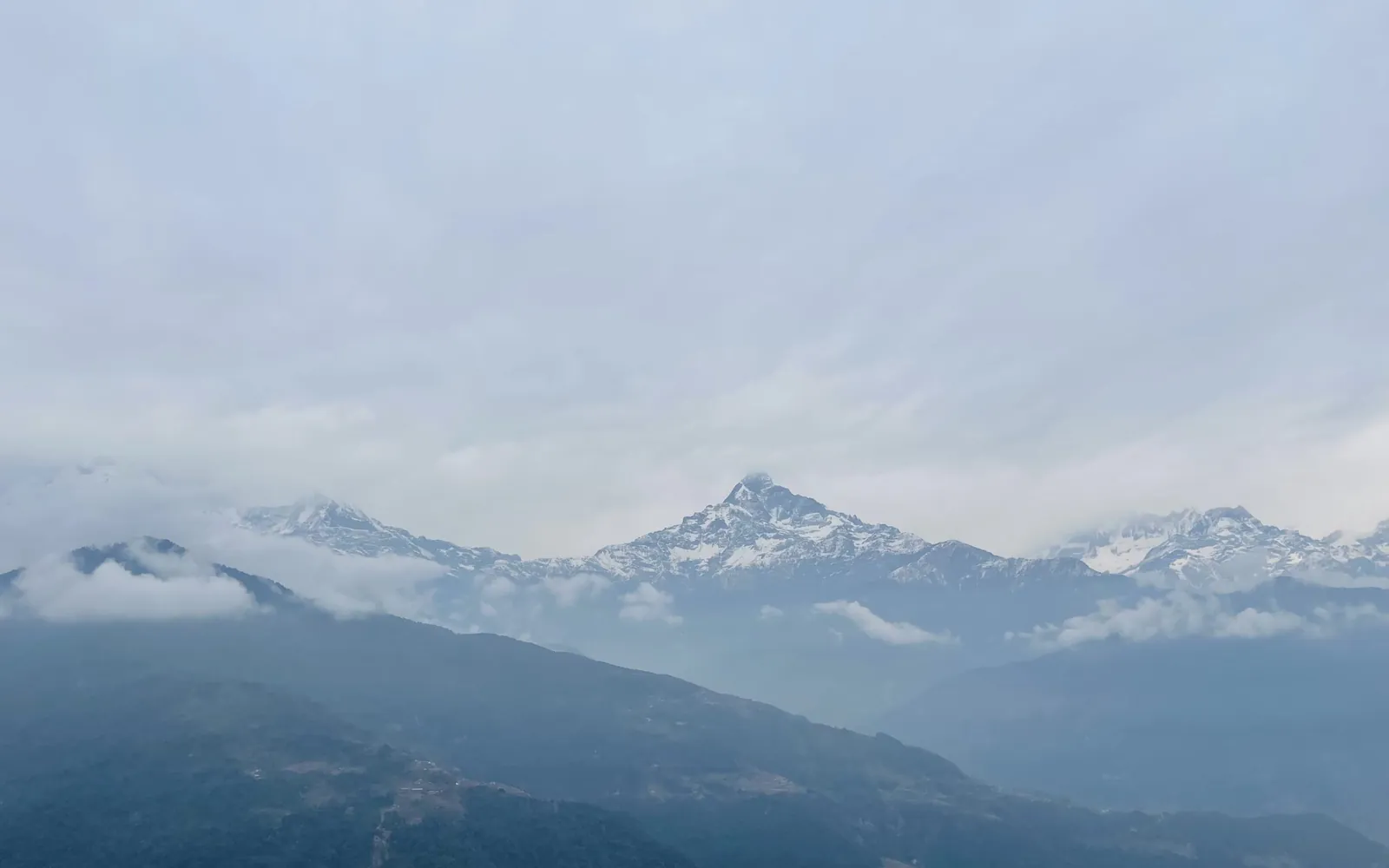
Crumpled paper landscape painting starts from a simple observation: a crumpled sheet, once flattened, looks like a relief map. The ridges look like mountain crests, the hollows like valleys, and long creases like rivers or coastlines. Wash it with colour and the landscape appears almost on its own. This guide shows several ways to do it, from a single froissage sheet to layered collage ranges and night scenes, with tips on colour, depth and the mistakes to avoid.
Why creases look like mountains
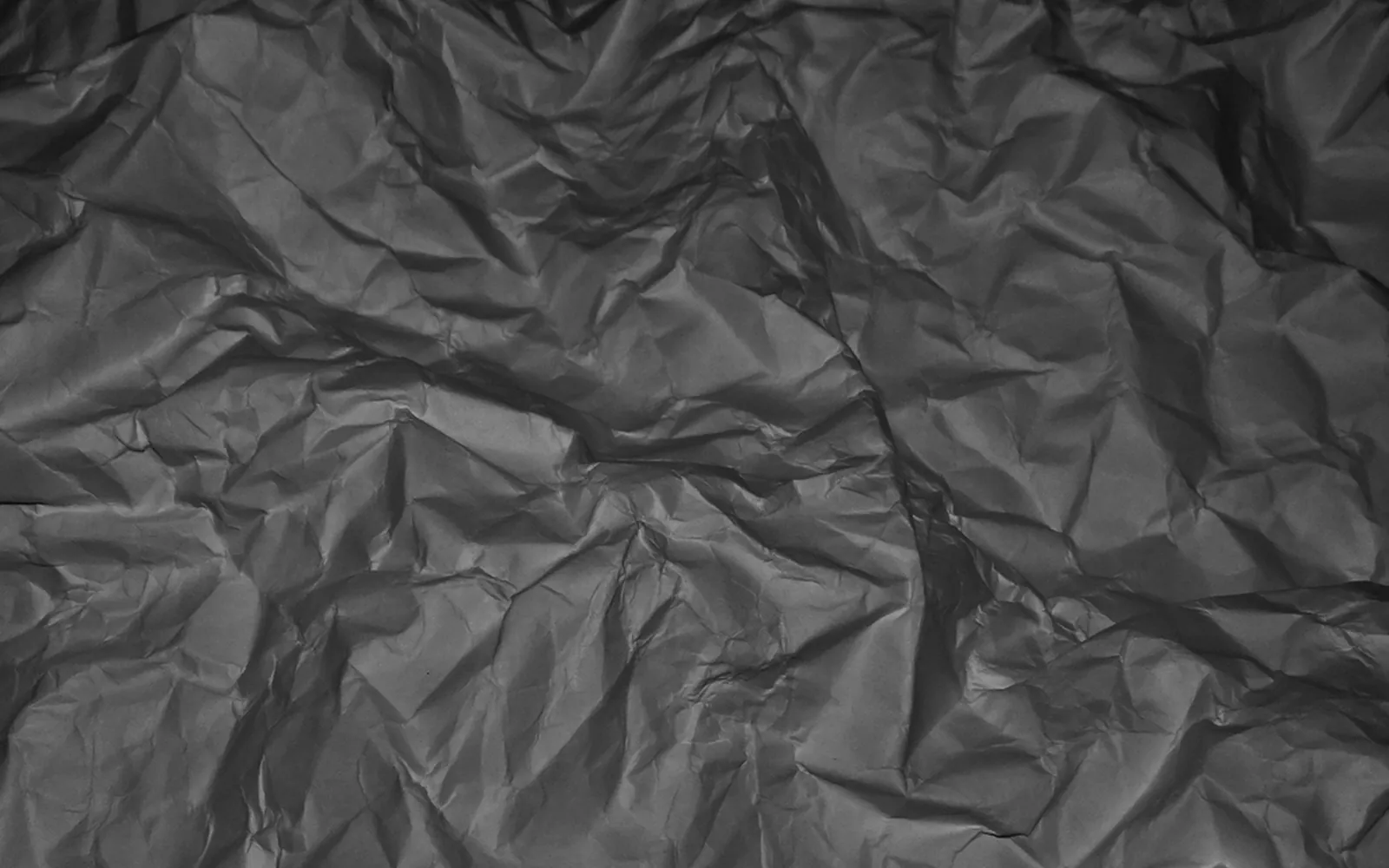
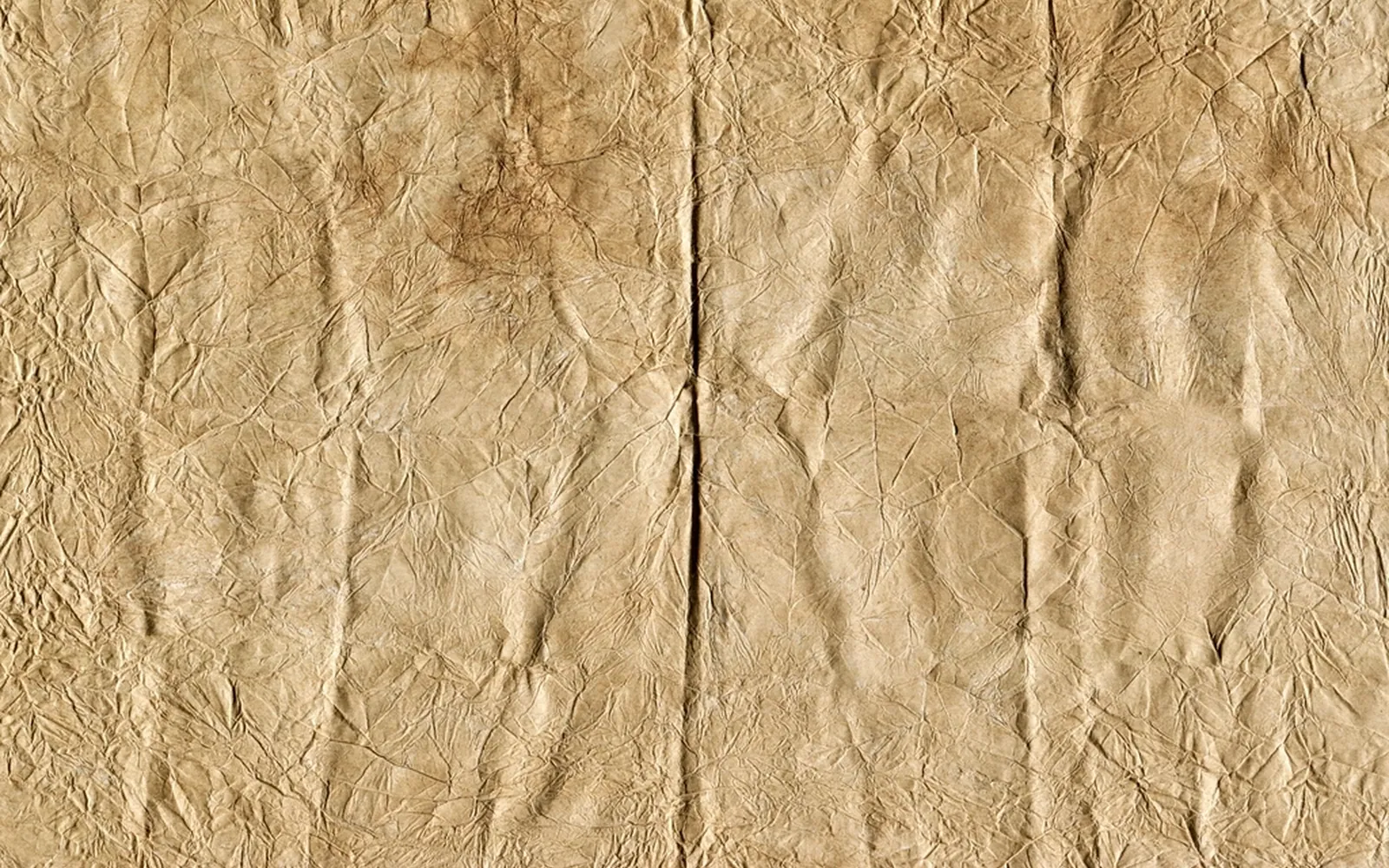
When paper is crumpled, it folds along a network of sharp ridges and flat facets. Seen from above, this resembles terrain: steep slopes meeting at crests, with smaller ridges branching off. When you brush a wash across the sheet, pigment collects in the broken fibres of the creases and darkens them, so the network becomes visible as a set of lines and shadows.
Our eyes are quick to read such patterns as landscapes. Painters have long used this. In 1785 Alexander Cozens published A New Method of Assisting the Invention in Drawing Original Compositions of Landscape, built on loose ink blots that he developed into landscape compositions. Our article on pareidolia in art follows that idea through history. Crumpled paper gives you a similar starting point with even more structure.
What you need
- Paper: medium drawing or cartridge paper (100-150 gsm). Watercolour paper for soft, rolling hills; thinner paper for sharp alpine ridges.
- Colour: watercolour, liquid watercolour or diluted ink. A limited palette works best: one blue, one earth colour, one warm colour for the sky.
- Brushes: a wide flat or large round brush for washes, a small round brush for details.
- Extras: a pencil, paper towels, white gouache or a white gel pen for snow and highlights, glue stick for collage versions.
For more on choosing papers and inks, see our guide to froissage materials.
Method 1: the single-sheet mountain range
This is the core method, listed step by step at the top of the page. The key moment is the third step, looking. Turn the dry sheet slowly. Somewhere there will be a band of creases that forms a convincing skyline, with peaks of different heights. Mark it lightly. Everything above it becomes sky; everything below becomes mountain.
Painting the sky in a clean, contrasting colour is what makes the mountains stand out. Work carefully along the skyline with a small brush, then fill the rest with a wide brush. Below the skyline, follow the creases with a slightly darker mix to model the shadow sides of the peaks, and leave the lit sides pale. If you want snow, add white gouache along the top of a few ridges once the paint is dry.
Method 2: layered collage ranges
For more depth, make three or four crumpled sheets washed in progressively darker tones of the same colour, from very pale blue-grey to a deep blue-violet. Tear a mountain silhouette from the top edge of each sheet. Glue the palest at the top of a background sheet, then overlap the darker ones lower down, each slightly lower than the last. The result is a range of ridges fading into the distance, each with its own crease texture.
This version suits classes because each pupil’s torn edges are different, and it teaches aerial perspective: distant forms appear paler, bluer and less detailed, while near forms are darker and sharper.
Method 3: cliffs and sea
Turn the sheet so that the creases run vertically on one side. Wash that side in warm earth colours for a cliff face, and the other side in blues and greens for the sea. Add a line of white gouache where waves break at the foot of the cliff. Creases running horizontally across the water side read as waves; vertical creases read as rock strata.
Method 4: night landscapes
Wash the crumpled sheet in deep blue or indigo ink. When it is dry, paint a pale moon and let the creases become moonlit ridges by touching their edges with white or pale yellow. Tiny lit windows in a valley make the scale clear. The dense crease network gives a night sky texture that a flat wash cannot.
Colour tips
- Keep to three or four colours. Too many make the creases hard to read.
- Use cool, pale colours for distance and warm, dark colours for the foreground.
- Let the first wash dry completely before adding detail, or the colours will run together.
- Try painting while the sheet is still partly crumpled: only the raised ridges catch colour, which suggests snow-capped peaks.
Our page on froissage with ink and watercolour covers wash techniques in more detail.
Common mistakes and fixes
- Muddy colours: too many layers while wet. Let each layer dry.
- Flat result: the sky and mountains are too similar in tone. Make the sky lighter or the mountains darker.
- Lost creases: too much paint on top. Use thinner washes and stop earlier.
- Torn paper: too thin or too wet. Use heavier paper and do not scrub.
More fixes are in our guide to froissage technique mistakes.
Finishing and display
Flatten the finished landscape under books between clean sheets for a day or two, then mount it. Works on paper should be kept out of direct sunlight; the Library of Congress recommends protecting paper from light, heat and humidity. A series of four landscapes, such as dawn, midday, sunset and night from the same crumpling method, makes a striking display. For more projects, see our crumpled paper art ideas and the full step-by-step froissage guide. If your class is also studying rivers and rainfall, the same crumpled sheet can become a science model; see the crumpled paper watershed model.
Frequently asked questions
How do you paint mountains with crumpled paper?
Crumple a sheet, flatten it and brush on a watercolour or ink wash. The pigment settles in the creases. When it is dry, choose a line across the sheet as the skyline, paint the sky above it in a contrasting colour, and strengthen a few ridges with darker paint.
What paper is best for crumpled paper landscapes?
Medium drawing paper around 100-150 gsm creases well and takes a wash. Thin papers give finer creases but tear when wet. Watercolour paper takes more water but crumples into broad, soft folds that suit rolling hills.
Can you print with crumpled paper instead?
Yes. Dip a crumpled ball of paper lightly in paint and dab it on the sheet to suggest foliage, rock or snow. It complements the crease method and is popular with younger children.
How do I make the mountains look far away?
Use aerial perspective: paint distant ranges paler and bluer, with less detail, and keep the strongest contrast and warmest colours for the foreground.
Sources
Editorial team
The Froissage.com editorial team researches the history of froissage from museum, encyclopedia and publisher sources and writes practical guides to the technique.