Technique
Froissage vs Frottage: Differences, History and Uses
Written by Froissage Editorial Team · Updated
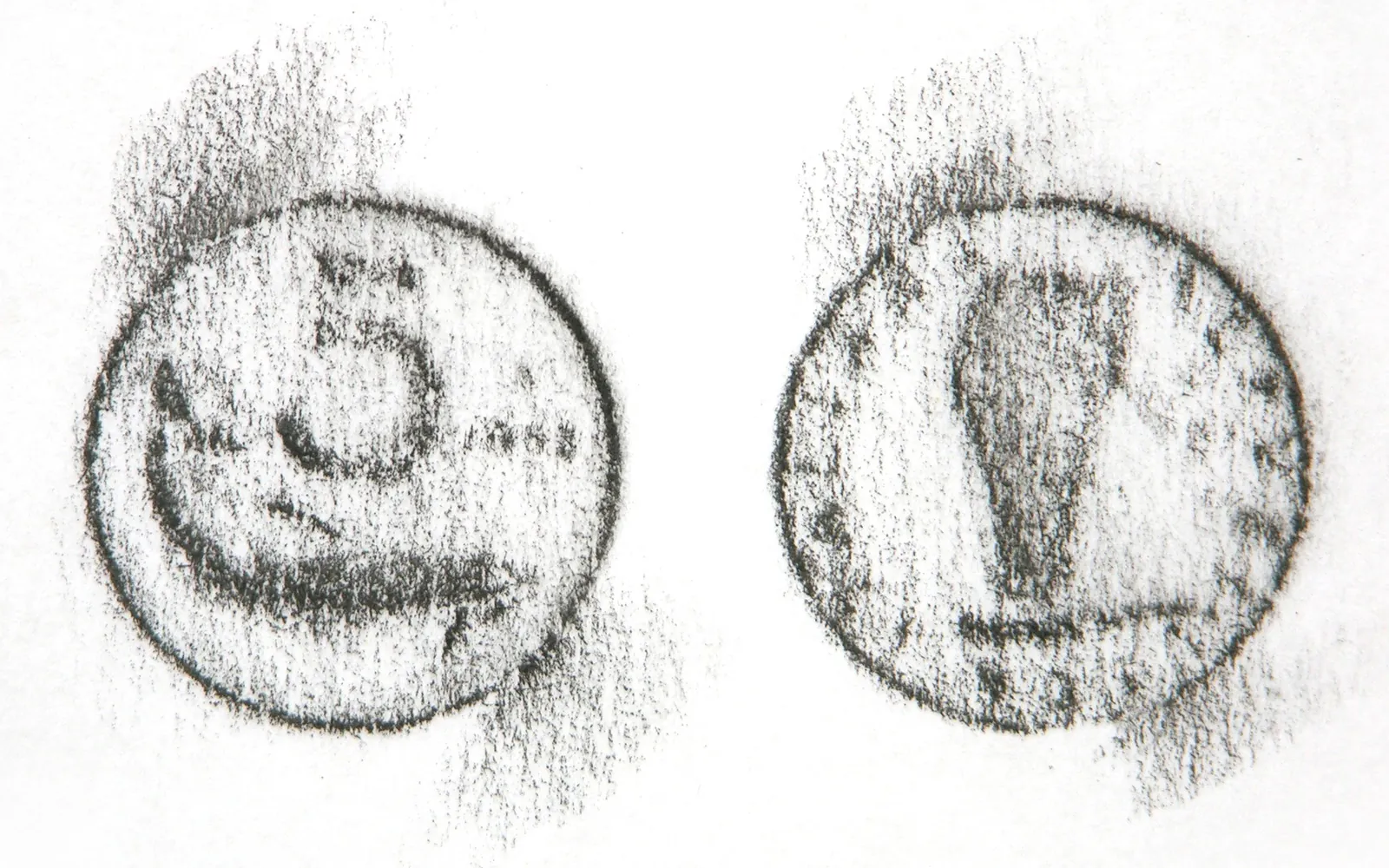
Froissage vs frottage is one of the most common points of confusion in art classes, partly because the French words look alike and partly because both techniques turn chance textures into pictures. The difference is simple once you see it: frottage rubs a texture onto paper, froissage crumples a texture into paper.
The two words
- Frottage comes from the French frotter, to rub. Tate defines it as the technique of taking a rubbing from an uneven surface to form the basis of a work of art.
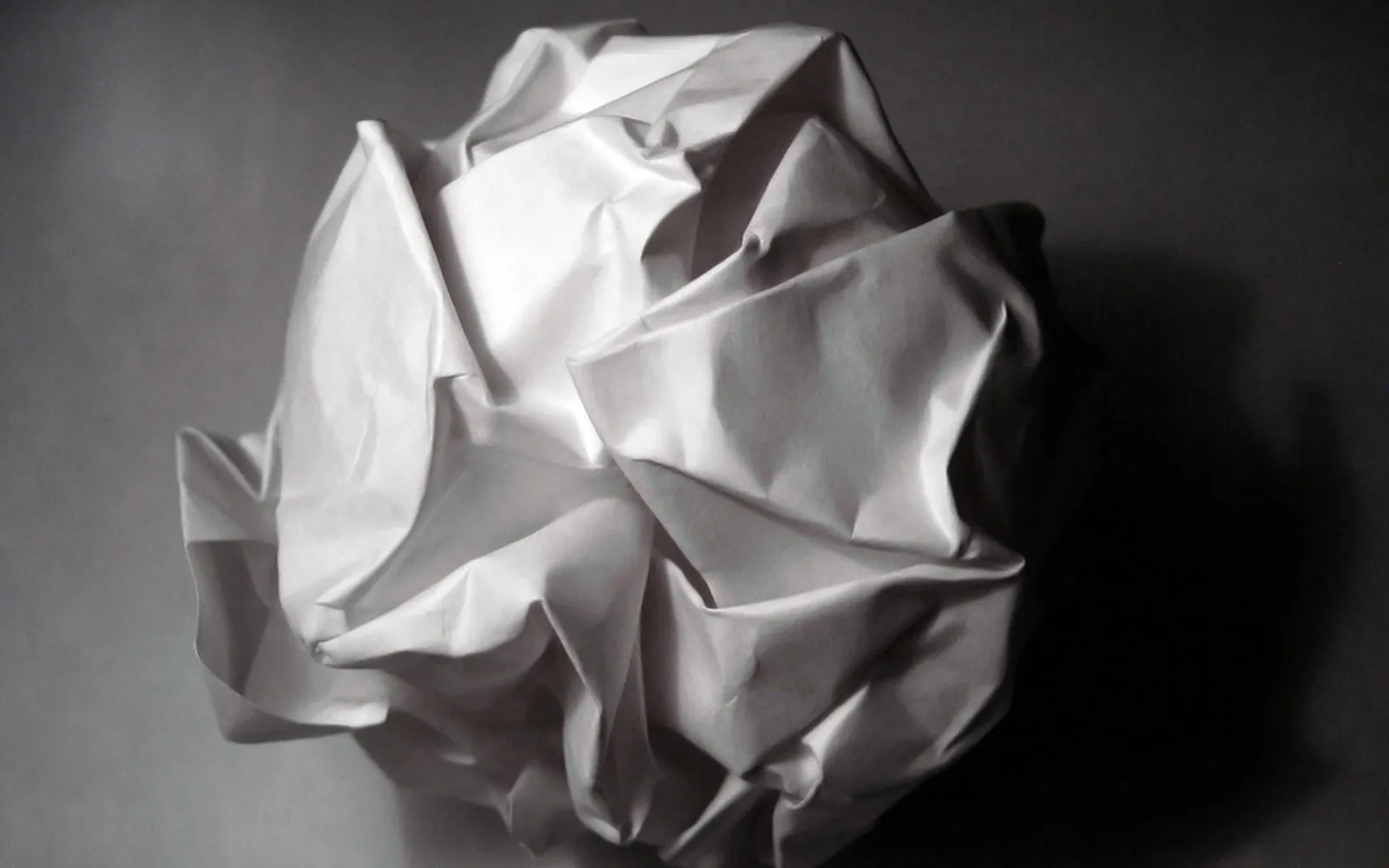
- Froissage comes from froisser, to crumple or crease. See what is froissage for the full definition.
Side-by-side comparison
| Frottage | Froissage | |
|---|---|---|
| Action | Rubbing over paper laid on a texture | Crumpling and flattening the paper |
| Source of the pattern | An outside surface: wood, leaves, coins, fabric | The paper’s own creases |
| Typical media | Soft pencil, graphite, wax crayon, charcoal | Diluted ink, watercolour, sometimes pastel |
| Water needed | No | Usually |
| Repeatable | Yes, the same surface gives similar rubbings | No, every crumple is different |
| Key artist | Max Ernst, from 1925 | Ladislav Novák, from around 1964 |
| Result | Fine, regular texture (grain, veins, weave) | Irregular network of lines and facets |
Frottage: Max Ernst’s discovery
Tate tells the story: in 1925 Max Ernst was struck by an old wooden floor whose grain had been accentuated by years of scrubbing. The patterns suggested strange images to him, so he laid paper on the floor and rubbed over it with a soft pencil. He went on to rub leaves, string, fabric and other textures, building them into imaginary forests and creatures, and published a series of these drawings in 1926 as Histoire Naturelle.
Ernst soon transferred the idea to oil painting as grattage: a canvas coated in paint is laid over a textured object and the paint scraped away. Both techniques gave the Surrealists a way to produce images partly outside conscious control, an idea explained in our page on surrealist art techniques.
Froissage: the paper as its own texture
Froissage applies the same logic but removes the outside object. The Czech artist Ladislav Novák, who developed it around 1964, crumpled a sheet, opened it out and drew into the creases with ink and watercolour. Nothing external is recorded; the pattern is a record of the sheet’s own history of being crushed. Read about the artist in Ladislav Novák and froissage.
What the results look like
Frottage results are usually crisp and descriptive. A rubbing of wood looks like wood grain, a rubbing of a leaf shows its veins. The fun lies in recontextualising those textures, for example turning wood grain into a feather.
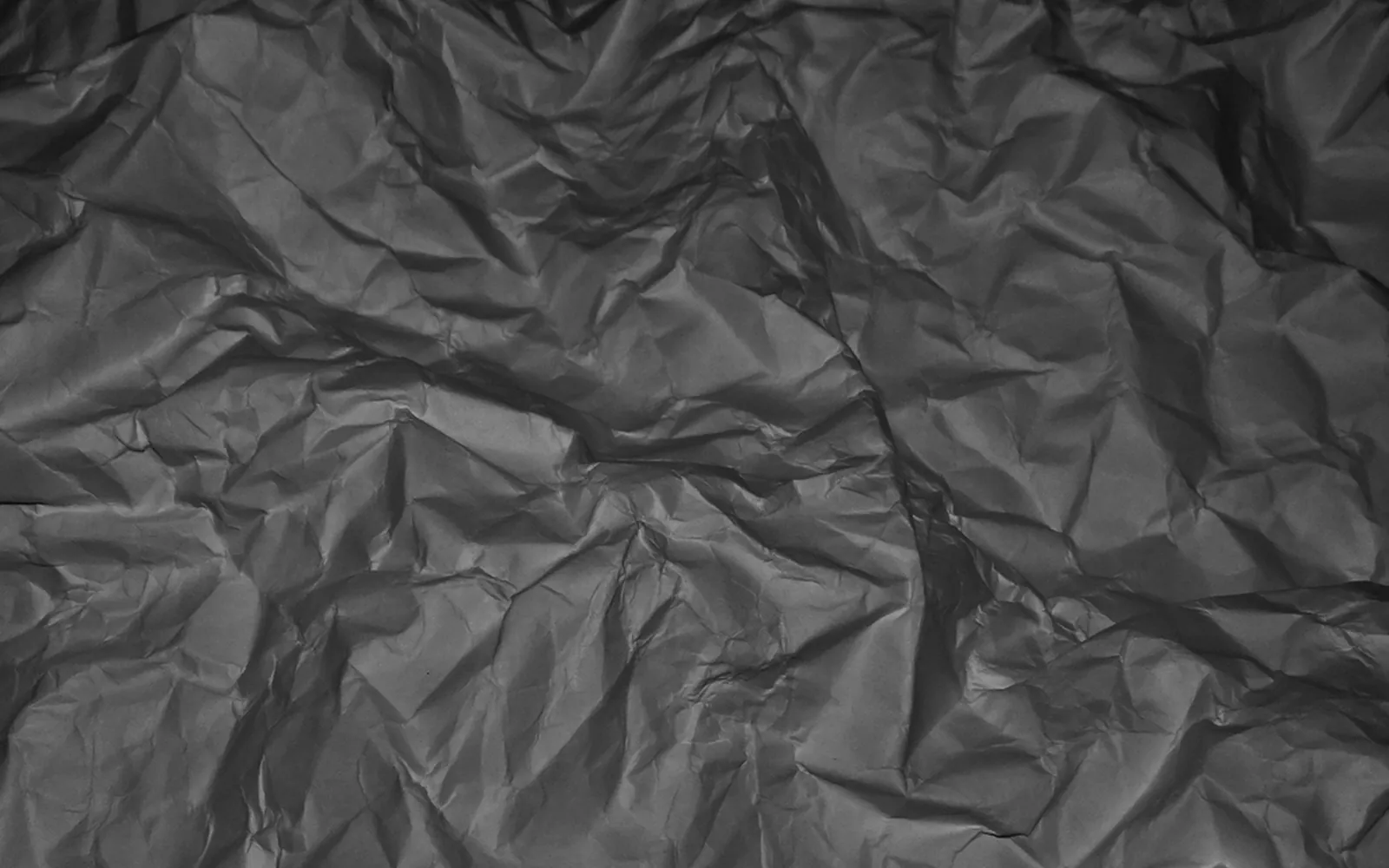
Froissage results are more abstract and fractured. Creases form a network of straight and slightly curved lines meeting at angles, like a map of fields, cracked earth or a mountain range. Colour gathers in the creases so the network reads as dark lines on a lighter ground. The images artists find are often figures and faces broken into facets.
When to use each
Choose frottage when:
- You want recognisable textures from the real world, such as bark, coins or lace.
- You are working without water or with very young children.
- You want to repeat a texture several times in one work.
Choose froissage when:
- You want an unpredictable network of lines to suggest a subject.
- You are working with watercolour or ink washes.
- You want each piece to be unique.
Getting good results with frottage
Frottage looks simple, but a few habits make the difference between a faint grey smudge and a crisp, readable texture:
- Use thin paper. Printer paper, newsprint or layout paper picks up far more detail than heavy cartridge paper.
- Use the side of a soft medium. A peeled wax crayon, a graphite stick or a 4B-8B pencil held flat touches only the raised parts of the surface, which is what forms the image.
- Rub in one direction. Short strokes in a single direction keep edges sharp; scribbling back and forth blurs them.
- Hold the paper still. Tape it down or press firmly with your free hand, because any slip doubles the texture.
- Collect before you compose. Make a sheet of test rubbings first, then look at them in different orientations before deciding what each texture could become.
Ernst’s own practice shows the last point well: according to Tate, the rubbings of an old wooden floor suggested forests peopled with bird-like creatures, and he then developed those suggestions into finished drawings. Our full guide to the frottage art technique covers materials, layering, interpretation and classroom use step by step, while this page focuses on the comparison.
Combining the two
The techniques mix well. Crumple and flatten a sheet, then lay it over a textured surface and rub it lightly with the side of a pencil. Ridges pick up the rubbing, hollows stay pale, and the crease network sits over the texture. You can also make a frottage first, then crumple the sheet and wash it with ink.
For full instructions, follow our step-by-step froissage guide. If you are teaching the difference, the froissage lesson plan includes a side-by-side frottage exercise. Other relatives of froissage, including grattage and decalcomania, are compared in our history of froissage.
Frequently asked questions
What is the main difference between froissage and frottage?
In frottage the texture comes from something underneath the paper and is transferred by rubbing. In froissage the texture comes from the paper itself, which is crumpled and flattened before colour is added.
Which came first, frottage or froissage?
Frottage. Max Ernst developed it in drawings from 1925 and published a series in 1926 as Histoire Naturelle. Ladislav Novák developed froissage around 1964.
Can you combine frottage and froissage?
Yes. A common approach is to crumple and flatten a sheet, then rub it with pencil over a textured surface such as wood grain. The crease pattern and the rubbing overlap and create a layered texture.
Which is easier for children?
Both are easy. Frottage needs only crayons and textured objects and no water, so it is often used with younger children. Froissage involves paint and drying time but gives more surprising results.
Sources
Editorial team
The Froissage.com editorial team researches the history of froissage from museum, encyclopedia and publisher sources and writes practical guides to the technique.