History
Surrealist Art Techniques: Froissage, Frottage and More
Written by Froissage Editorial Team · Updated
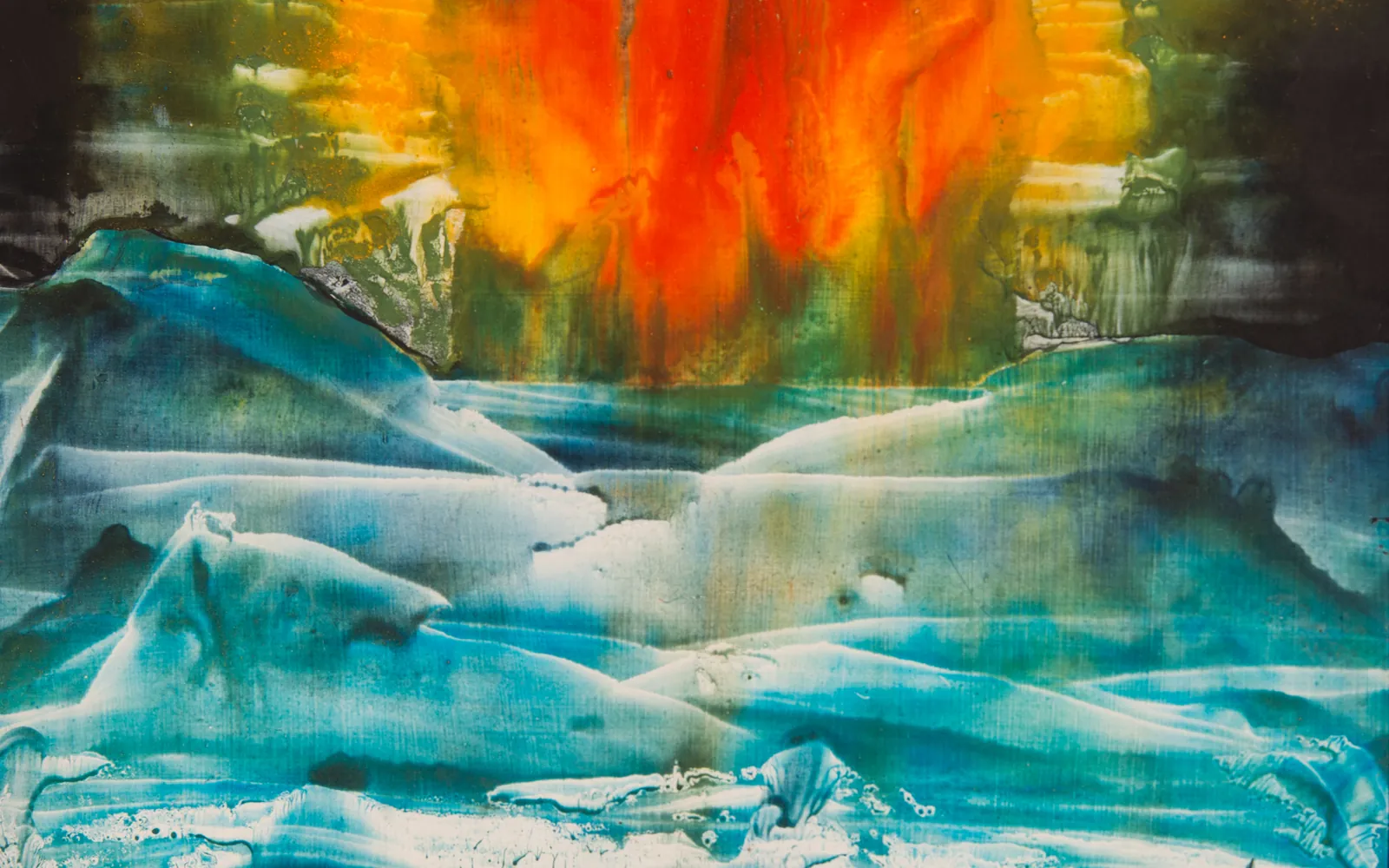
Surrealist art techniques were invented to solve a problem: how do you paint the unconscious? Surrealism, launched by André Breton in Paris in 1924, prized automatism, making art without conscious control. Writers could write automatically, but painters needed tricks that would produce images before the rational mind interfered. The answer was a set of techniques that create accidental textures, which the artist then reads and develops. Froissage, drawing from the creases of crumpled paper, is a later member of this family.
This hub explains each technique briefly and links to our detailed guides.
The common principle
Every technique below works in two stages:
- Provoke an accident. Rub, scrape, press, smoke or crumple a surface so that a texture appears that you did not design.
- Interpret it. Look into the texture as you would into clouds or a stained wall, and develop whatever images you see.
The first stage frees you from habit; the second keeps you in charge of the final work. Tate’s definition of automatism emphasises exactly this release from conscious control.
Frottage (rubbing)
Developed by Max Ernst from 1925. Paper is laid over a textured surface such as wood, leaves or string and rubbed with a soft pencil. Ernst published a series of these drawings in 1926 as Histoire Naturelle. Frottage is the closest relative of froissage; see froissage vs frottage for a full comparison and the frottage art technique guide for the method.
Grattage (scraping)
Also developed by Ernst, from frottage. A canvas is covered with paint and laid over a textured object, then the paint is scraped off so the texture shows through. According to Tate, the trees in Ernst’s Forest and Dove (1927) were made by scraping over a fish’s backbone. Our grattage art technique guide explains how to try it with acrylic or oil paint.
Decalcomania (pressing)
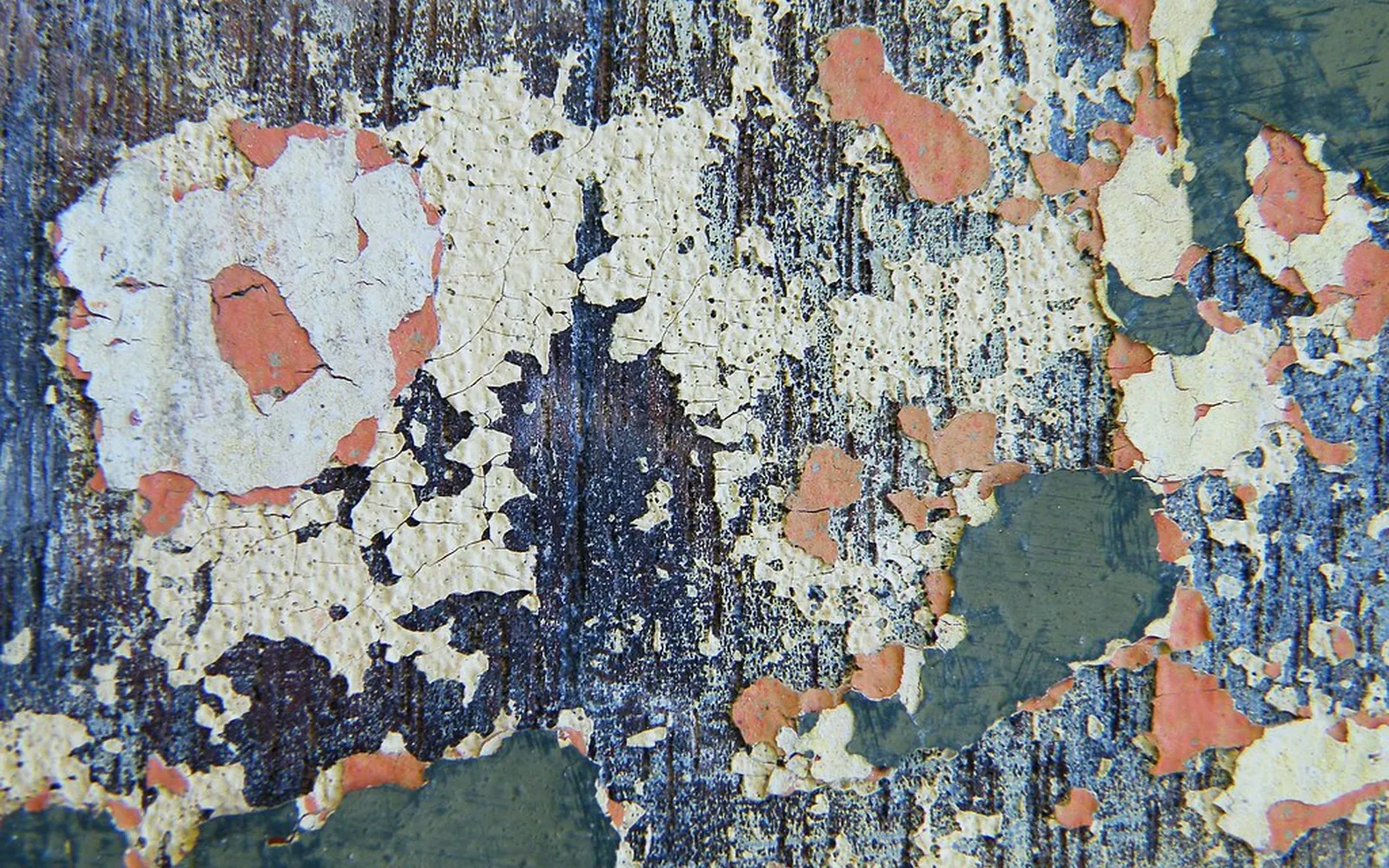
Paint, usually gouache, is spread on a sheet, another sheet or a pane of glass is pressed on top and then pulled away. The paint splits into branching, coral-like textures. Tate describes it as a blotting process in which paint is squeezed between two surfaces. MoMA notes that Marcel Jean credited Óscar Domínguez with introducing it to the Surrealists in 1936, and Ernst used it extensively. In Prague, Jindřich Štyrský also made decalcomanias; see Czech surrealism and froissage. Our decalcomania art technique guide explains how to make one.
Fumage (smoke)
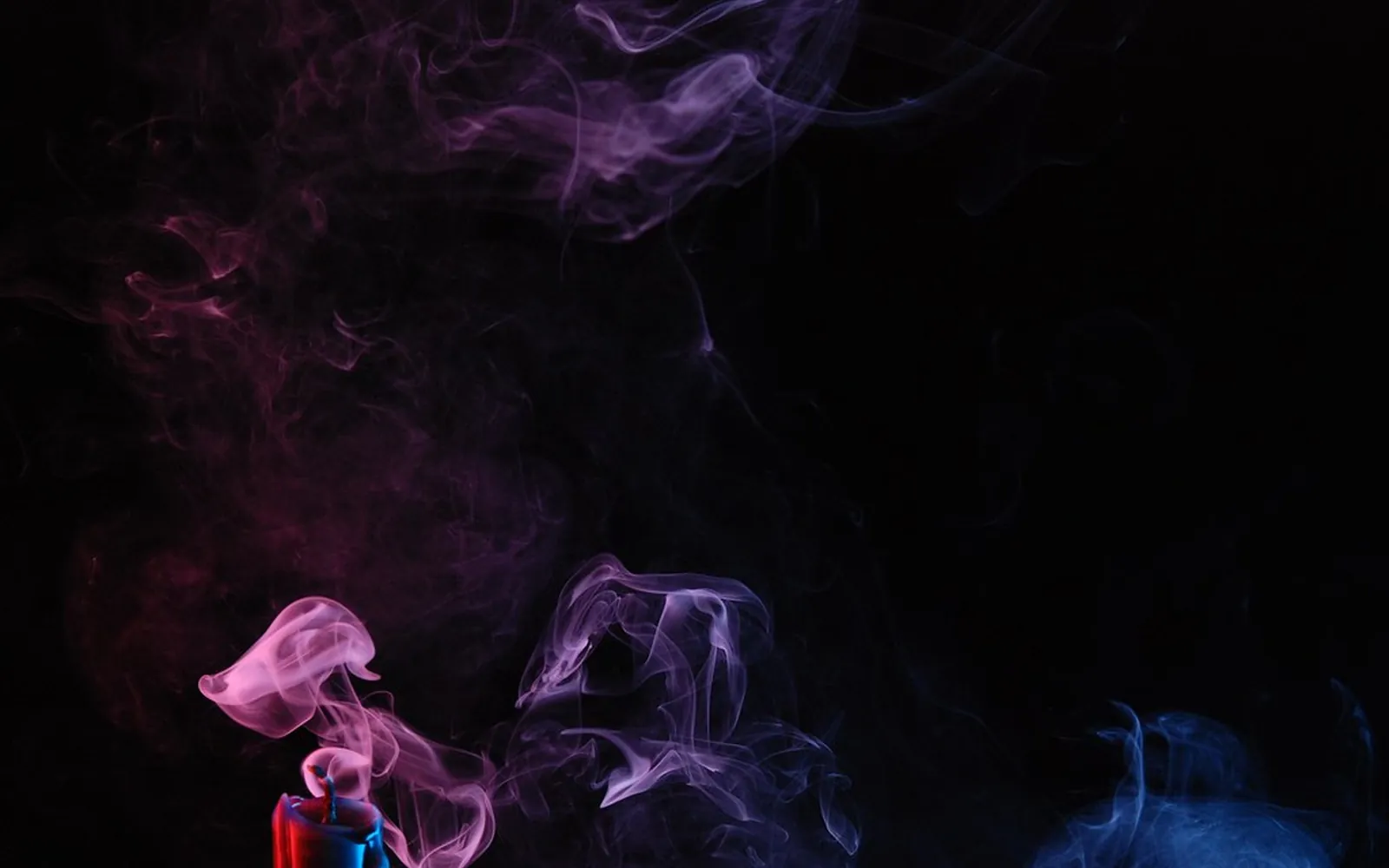
The soot from a candle or oil lamp is passed under a sheet of paper or a freshly painted canvas, leaving soft, smoky traces. Wolfgang Paalen is usually credited with bringing fumage into Surrealism in the mid-1930s. Ladislav Novák later made smoke drawings he also called fumages. Fumage involves an open flame and is not suitable for children; see the fumage art technique for history and safety.
Collage and photomontage
Collage itself predates Surrealism (Braque and Picasso were gluing paper into their works in 1912), but the Surrealists, above all Ernst, used it to create dream-like juxtapositions from engravings and catalogues. In Czechoslovakia the tradition was carried furthest by Jiří Kolář; see Jiří Kolář’s collage techniques.
The exquisite corpse
A game rather than a material technique: several people draw parts of a figure on a folded sheet without seeing what the others have done. It shows the Surrealist taste for chance and collaboration and works well as a class warm-up; the rules, history and variations are in our guide to the exquisite corpse drawing game.
Froissage (crumpling)
Developed by the Czech artist Ladislav Novák around 1964. A sheet of paper is crumpled, flattened, washed with ink or watercolour, and the creases are interpreted as a drawing. It arrives decades after the Paris techniques but follows exactly the same two-stage logic. Start with what is froissage or go straight to the step-by-step guide.
Comparison table
| Technique | Action | Main medium | Associated artist | Date |
|---|---|---|---|---|
| Frottage | Rub | Pencil, crayon | Max Ernst | from 1925 |
| Grattage | Scrape | Oil paint | Max Ernst | from 1927 |
| Decalcomania | Press and lift | Gouache | Óscar Domínguez | 1936 |
| Fumage | Smoke | Candle soot | Wolfgang Paalen | mid-1930s |
| Froissage | Crumple | Ink, watercolour | Ladislav Novák | around 1964 |
Why chance techniques still matter
These methods were radical in the 1920s and 1930s because they challenged the idea that a picture must be planned and executed with skill. Today they are just as useful for a different reason: they break habits. Anyone who draws regularly tends to repeat the same shapes and compositions. A chance texture forces you to respond to something you did not choose, which is why many illustrators and designers still use crumpled paper, rubbings and blots to start ideas.
They also change who can make an interesting picture. A child who is anxious about drawing can produce a striking froissage or decalcomania in minutes, because the hardest part, creating rich texture and structure, is done by the material. The skill moves from the hand to the eye: noticing, choosing and editing.
Finally, the techniques connect directly to art history. A single lesson that moves from Ernst’s frottage to Domínguez’s decalcomania to Novák’s froissage covers half a century of European art, from Paris to Prague, through methods students can actually try.
Artist profiles and related guides
Each technique on this page now has a dedicated guide, and two of the key inventors have their own profiles:
- Óscar Domínguez and decalcomania: the Tenerife-born painter who made pressed-paint images a Surrealist method in 1936.
- Wolfgang Paalen and fumage: the Austrian-born painter who developed smoke drawing in 1936-37, then founded the journal DYN in Mexico.
For the bigger picture, chance in art traces how accidents became a method, from Leonardo’s stained walls and Arp’s chance collages to John Cage’s I Ching. If you like the floating, unpredictable quality of decalcomania, the paper marbling technique is a close relative from a different tradition: colours floated on water and lifted onto paper, with every sheet a one-off.
A practical note for teachers: decalcomania, frottage and froissage are the safest choices for classrooms. Fumage involves an open flame and should be limited to supervised adult or older-student settings.
Trying them in class
Frottage, decalcomania and froissage are all safe and cheap enough for a classroom; a lesson that rotates between them shows students how different accidents suggest different images. Our froissage lesson plan and crumpled paper art ideas include versions for different ages. For the longer story of how these techniques led to froissage, read the history of froissage. Two related approaches are covered on their own pages: the drip painting technique, which runs from Max Ernst’s swinging paint can to Jackson Pollock, and Brassaï’s Involuntary Sculptures, the 1933 Minotaure photographs of objects shaped without intention.
For the purest form of automatism, without any material doing the work for you, try the exercise in our guide to automatic drawing. For a cameraless relative from the Dada years, see how to make a photogram.
Frequently asked questions
What is automatism in surrealist art?
Automatism means making art without conscious control, to let the unconscious mind express itself. In painting and drawing it led to techniques such as frottage, grattage and decalcomania, which create accidental textures that the artist then develops.
What are the most famous surrealist techniques?
Collage, frottage, grattage, decalcomania, fumage and the exquisite corpse drawing game are the best known. Froissage is a later technique in the same tradition.
Who invented decalcomania?
Transfer techniques existed earlier in decorative arts, but MoMA notes that Marcel Jean credited Óscar Domínguez with introducing decalcomania to the Surrealist circle in 1936.
Which surrealist technique is best for beginners?
Frottage and froissage are the simplest: frottage needs only paper and a crayon, froissage needs paper and diluted ink. Decalcomania is also quick but messier.
Sources
Editorial team
The Froissage.com editorial team researches the history of froissage from museum, encyclopedia and publisher sources and writes practical guides to the technique.