Technique
Froissage Materials: Best Paper, Ink and Tools to Use
Written by Froissage Editorial Team · Updated
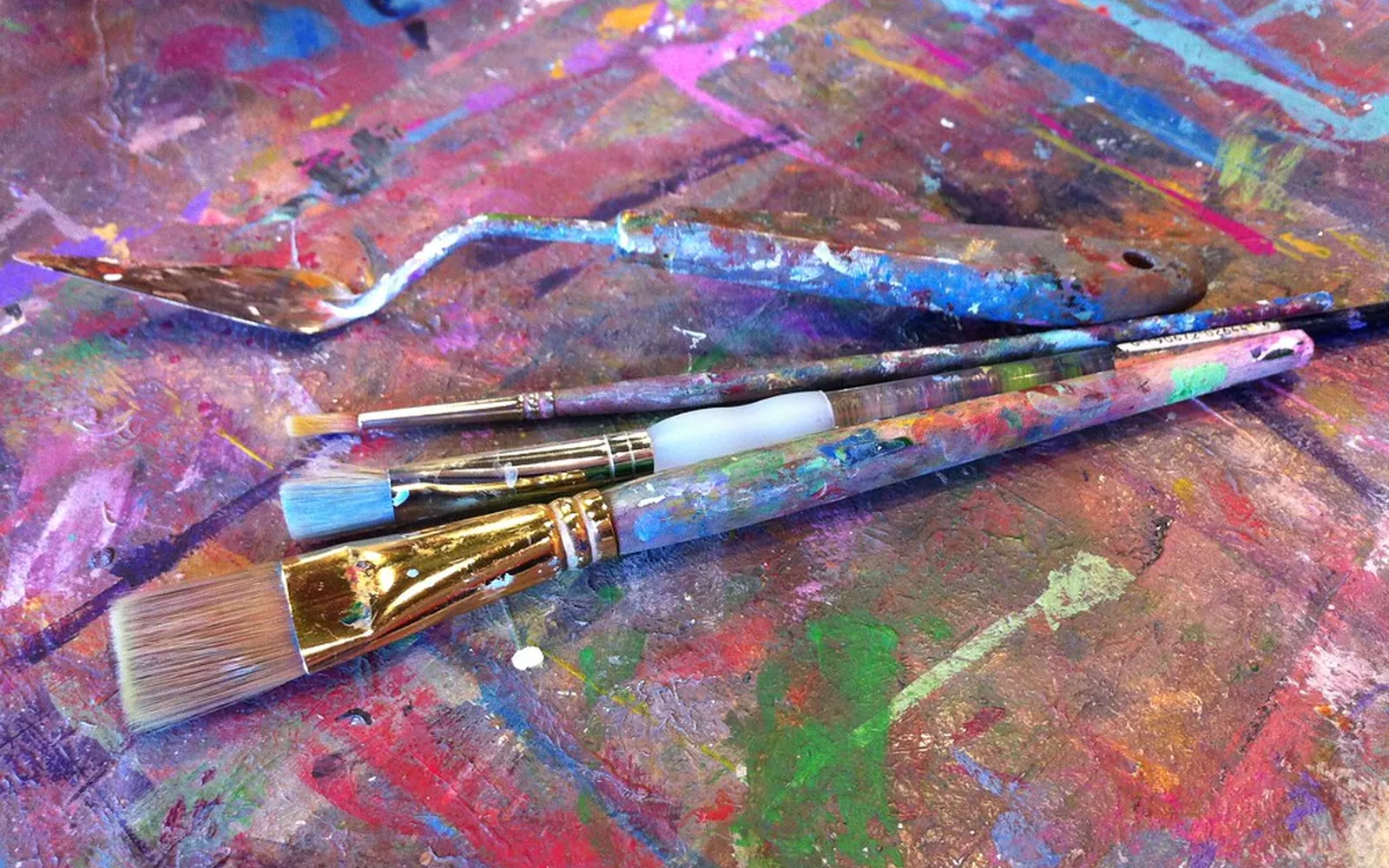
Good froissage materials cost very little, but the choices you make change the result more than in most techniques. The same crumple on tissue paper and on watercolour paper produces two completely different pictures. This guide covers paper, colour, tools and a few extras, from cheapest to best.
If you just want to start, the short list is: medium drawing paper, a bottle of ink or a watercolour set, a wide brush and a fine pen. The step-by-step froissage guide uses exactly that.
Paper: the most important choice
Crumpling breaks the paper’s fibres along each crease. Thin papers break into many fine facets; thick papers resist and form a few broad folds. Paper weight is given in grams per square metre (gsm).
| Paper | Approx. weight | Creases | Takes water | Best for |
|---|---|---|---|---|
| Tissue or tracing paper | 20-60 gsm | Very fine, dense | Poorly, tears | Collage layers, dry media |
| Printer / copy paper | 75-90 gsm | Sharp, dense | Moderately | Practice, classrooms |
| Drawing / cartridge paper | 100-150 gsm | Clear, medium | Well | Most froissage |
| Light watercolour paper | about 190 gsm | Softer, fewer | Very well | Wet techniques |
| Heavy watercolour paper | 300 gsm | Broad, few | Excellent | Subtle relief |
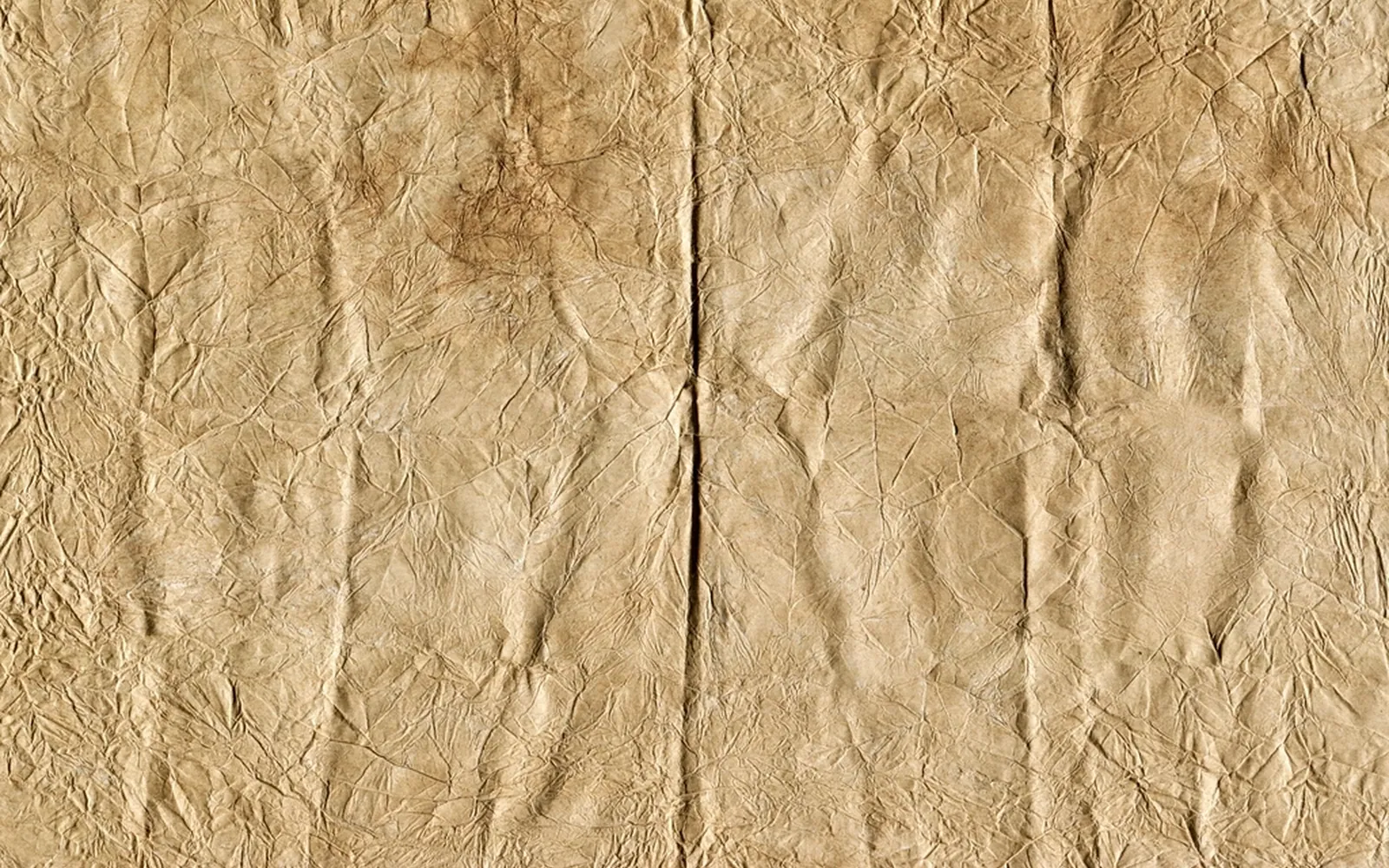
| Kraft or brown paper | 70-120 gsm | Strong, leathery | Moderately | Warm-toned works |
| Book pages, newspaper | varies | Fine | Poorly | Printed backgrounds |
Practical tips:
- Start in the middle. 100-120 gsm drawing paper handles both crumpling and a wet wash.
- Smooth versus textured. Smooth papers show crisper creases; rough papers blur them.
- Printed paper. Ladislav Novák often worked on or with printed material, and Jiří Kolář crumpled reproductions. Old book pages, maps and magazine pages add a second layer of meaning. See froissage collage.
- Permanence. For work you want to keep, choose paper labelled acid-free. The Library of Congress recommends acid- and lignin-free materials for storing works on paper because acids build up as paper ages.
Colour: what settles in the creases
The crease pattern only becomes visible when something darkens or lightens it. Options, roughly from most to least common:
- Diluted ink. Indian ink or drawing ink thinned with water. Strong contrast, permanent once dry. Artlist.cz describes Novák drawing in the creases in ink combined with watercolour.
- Liquid watercolour or watercolour ink. Bright, transparent, easy to blend. Some brands fade in light, so check lightfastness ratings for permanent work.
- Pan or tube watercolour. Fine for classrooms; mix a generous pool first so you can cover the sheet in one pass.
- Tea, coffee or walnut ink. Free or cheap, give a warm sepia tone, and are popular for “antique” effects. Not lightfast.
- Dry media. Graphite, charcoal, soft pastel or wax crayon rubbed over the flattened sheet colour the ridges and leave the creases pale, the reverse of a wash.
- Acrylic. Usable if heavily diluted, but it can seal the paper and stop later washes soaking in.
For layering and colour effects, see froissage with ink and watercolour.
Tools
- Wide soft brush. A flat or mop brush 2-3 cm wide lays a wash quickly without scrubbing.
- Fine brush, pen or brush pen. For drawing out the image. Waterproof fineliners let you add a wash on top later.
- White gel pen or white gouache. For highlights on dark washes.
- Spray bottle. Damp paper creases differently, and a light mist helps colour spread along the folds.
- Paper towels. For blotting puddles and lifting colour.
- Heavy books or a board. For flattening the finished piece.
Extras for mixed media
- Glue stick or PVA for mounting crumpled sheets on card.
- Scissors and magazines for collage elements.
- Coloured pencils for detail.
- Gold leaf pens or metallic paint to pick out ridges.
Budget and classroom version
For a class of 30, you need little more than a ream of copy paper, a few bottles of washable ink or liquid watercolour, cheap wide brushes and fine markers. Look for paints carrying a safety certification for children, such as the AP seal from the Art and Creative Materials Institute in the United States or the equivalent in your country. The froissage for kids guide covers safe set-ups for younger children.
Wax crayons and resist materials
Wax crayons and oil pastels are worth adding to the froissage kit because they behave differently from ink and watercolour: they repel water. Anything drawn in wax before crumpling stays bright when a watery wash goes over it, while the wash sinks into the bare paper and into the broken fibres along the creases.
This makes three things possible:
- Paper batik. Draw a design in wax crayon, pressing hard, crumple and flatten the sheet, then brush on a dark diluted wash. The creases fill with colour and the wax stays clean, producing the crackled look of batik cloth. Brown kraft paper or a paper bag opened flat is the classic support. Our guide to paper batik with crumpled paper covers the method and the textile tradition behind the name.
- Reserved highlights. A few strokes of white or pale yellow crayon applied before washing become highlights on ridges, windows in a night scene or the whites of a creature’s eyes.
- Finishing on top. On a dry froissage, oil pastel picks up the raised ridges and skips the creases, which is a quick way to emphasise relief.
For resist work, ordinary school wax crayons are enough. Press firmly: a thin layer of wax lets the wash through. Use a thinner, more watery wash than usual so it slides off the waxed areas, and dab off any excess with a damp sponge.
Materials for keeping and displaying
If a piece turns out well, protect it: acid-free paper and mounting board, lightfast colours and framing away from direct sunlight. Our guide on how to display froissage art explains the details, and froissage technique mistakes covers material problems such as tearing and muddy colour.
Frequently asked questions
What is the best paper for froissage?
For most people, medium-weight drawing or cartridge paper (about 80-120 gsm). It creases crisply, survives a wash of diluted ink and does not tear easily when opened.
Can I use watercolour paper for froissage?
Yes, but heavy watercolour paper (300 gsm) is hard to crumple and gives broad, soft folds. Lighter watercolour paper around 190 gsm is a good compromise if you want to use a lot of water.
What kind of ink works best?
Any water-based ink diluted with water. Indian ink gives strong, permanent lines; watercolour inks give brighter, more transparent colour. Test the dilution on scrap first.
Can I use printed paper like newspaper or book pages?
Yes. Printed paper adds a layer of text or image that interacts with the creases, close to how Novák and Kolář worked with printed material. Newspaper is acidic and yellows over time, so it suits experiments rather than permanent work.
Sources
Editorial team
The Froissage.com editorial team researches the history of froissage from museum, encyclopedia and publisher sources and writes practical guides to the technique.