Classroom
Crumpled Paper Sculpture: Easy 3D Projects with Paper
Written by Froissage Editorial Team · Updated
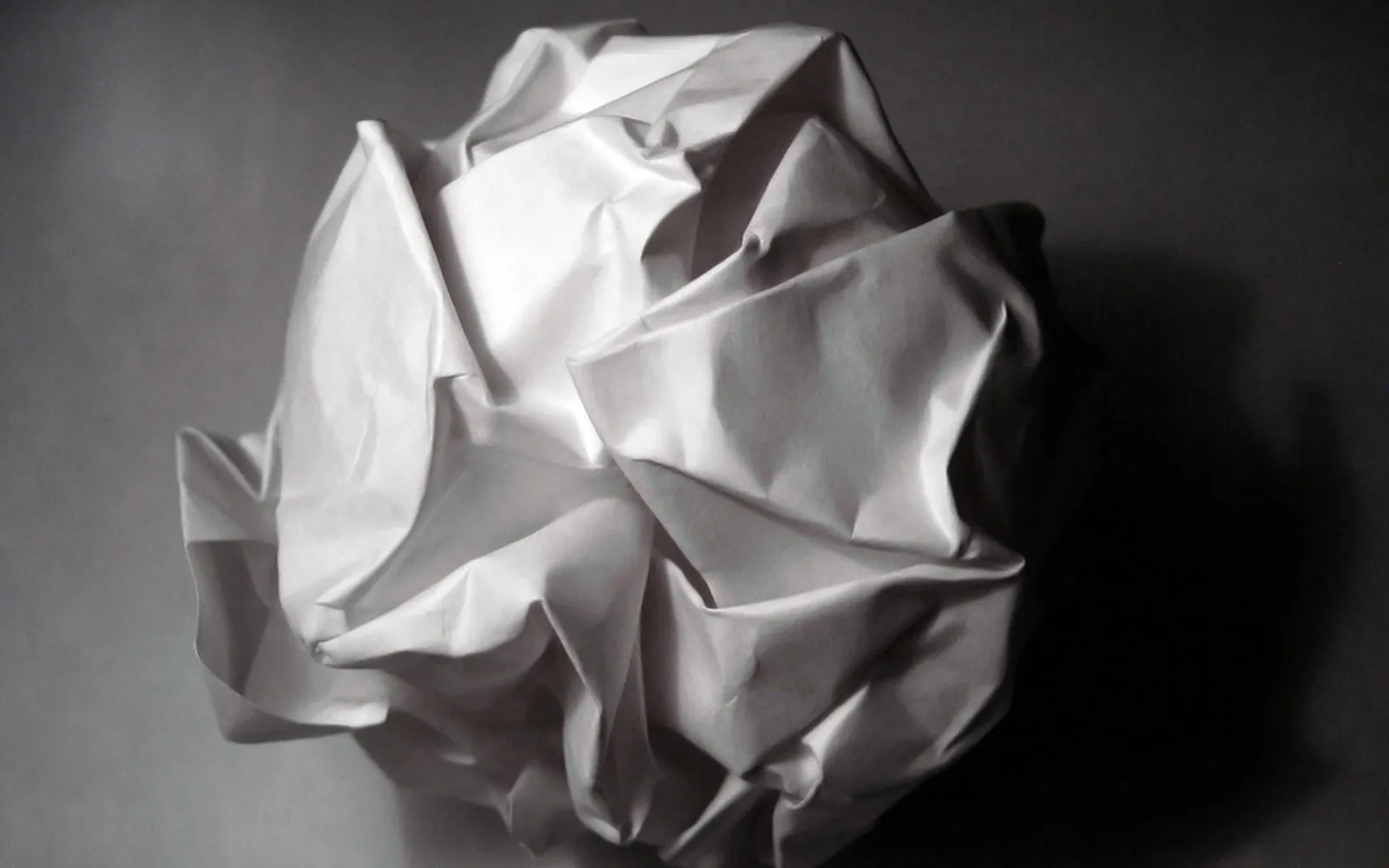
Crumpled paper sculpture takes the crease-filled sheets of froissage and turns them into three dimensions. Balls and rolls of crumpled newspaper, held with masking tape, become animals, heads, fruit or abstract forms. You can leave the crumpled surface visible, with all its facets and shadows, or cover it with a skin of papier-mache and paint it. It is cheap, quick and works for every age, from preschool groups to adult studios.
Why crumple instead of fold or cut?
Crumpling does two jobs at once. It makes paper stiff and light, so a ball of crumpled newspaper holds its shape and can be built on. And it creates a texture of small facets that catch light, the same effect we use in flat froissage (see what is froissage). In sculpture, that texture can suggest fur, rock, cloud or skin.
Materials
- Newspaper or scrap paper for the core. Old printer paper and wrapping paper also work.
- Masking tape. It tears by hand, sticks to paper and takes paint.
- Optional armature: a wire frame, cardboard tube or bottle to give height and strength. Wikipedia’s entry on armatures describes them as an internal framework that supports a sculpture.
- Optional papier-mache paste: flour and water, wheat paste, or PVA glue diluted with water.
- Paint: poster paint for young children; acrylic for stronger colour and a water-resistant finish.
Building the core
Think in simple shapes. A cat might be a large ball for the body, a smaller ball for the head, two cones for ears and a long roll for the tail. Crumple sheets tightly for each part, adding more sheets around a ball to grow it. Wrap each part in masking tape to hold it, then tape the parts together. Press and squeeze as you go: crumpled paper is easy to reshape until it is fully taped.
For tall or thin forms, start with an armature. Twist a wire figure or tape crumpled paper around a cardboard tube. This keeps legs and necks from sagging.
Option 1: Keep the crumpled surface
For an abstract or textural piece, stop once the form is taped. Then cover it with crumpled sheets of white or coloured paper glued on loosely, so the facets show. A coat of thin white paint, wiped back, picks out the creases just as in froissage with acrylic paint. Light it from one side and photograph it; the shadows look dramatic (see crumpled paper texture photography).
Option 2: Papier-mache skin
For a smoother, stronger sculpture, cover the core with papier-mache. Wikipedia describes papier-mache as a composite of paper pieces bound with an adhesive such as starch paste or glue. Tear newspaper into strips about two fingers wide. Dip each strip in paste, run it between two fingers to remove excess, and lay it over the core. Overlap strips in different directions. Two or three layers are enough for most classroom pieces; let each layer dry before adding more if you need a very strong shell.
Tips:
- Use one colour of paper for one layer and another colour for the next, so you can see when a layer is complete.
- Smooth bubbles and wrinkles with your fingers as you go.
- Dry in a warm, airy place. A sculpture sealed in a damp cupboard can grow mould.
Project ideas
- Crumpled creatures. Monsters, owls, cats and fish are forgiving shapes. Seasonal versions pair well with Halloween froissage monsters.
- Heads and masks. A balloon or crumpled ball for the skull, rolls for nose and brows. Paint with strong shadows.
- Still life. Apples, pears and bananas from crumpled paper make a good observation exercise.
- Abstract forms. Crumple, tape, and stop when the form is interesting from every side. Discuss it as you would a chance in art piece: what did the paper decide?
- Relief panel. Glue crumpled paper forms onto a card base for a half-sculpture, half-collage, close to froissage collage.
Painting and finishing
When the sculpture is completely dry, prime it with a coat of white poster paint or acrylic. Newspaper print otherwise shows through light colours. Then paint in two stages: first broad base colours, then details such as eyes, patterns or shading. A final coat of diluted PVA gives a slight sheen and makes the surface tougher for handling.
For a textured finish, brush a darker colour over the whole piece and wipe it off the high points with a cloth, leaving it in the hollows. This picks out every crumple and gives an aged, carved look.
Paper in modern sculpture
Twentieth-century artists made paper, cardboard and found materials acceptable sculptural media. Tate’s art-terms entry on assemblage describes art made by putting together found objects, which opened the door to everyday materials such as newspaper and packaging. Crumpled paper sculpture belongs to that tradition of making serious work from humble stuff.
Classroom management
- Collect newspaper a week ahead; you will need more than you think.
- Pre-tear tape into short pieces stuck along the table edge for younger children.
- Keep paste work for a second session, so the first is all about crumpling and building.
- Store sculptures on labelled trays to dry.
- Link the session to flat froissage: start with a crumpled-paper drawing, then ask pupils to turn their favourite shape into 3D. Our froissage for kids page has warm-up ideas.
Safety
Flour paste and diluted PVA are low-risk, but wash hands after use and wipe tables before paste dries. Wire armatures should have their ends bent or taped. Avoid wallpaper pastes that contain fungicides for children’s work, and check product labels.
Paper that becomes a material: momigami and Merz
Two very different traditions show how far crumpled and used paper can go as a sculptural material.
In Japan, momigami treats strong kōzo washi with konnyaku starch and kneads it until it becomes soft and flexible, with a leathery look. Such paper has long been used for garments called kamiko. A simplified version, crumpling and smoothing kraft paper many times, gives a pliable sheet that can be moulded over a crumpled-paper core as a skin instead of papier-mache. See momigami.
In Germany, Kurt Schwitters built collages and constructions from tickets, wrappers and other scraps, and turned rooms of his house into the sculptural environment he called the Merzbau. His work shows that worn, creased, printed paper can carry meaning as well as form. For a project based on his approach, see Kurt Schwitters and Merz collage.
Architects use paper models too, though not quite in the way the legend suggests: Frank Gehry and crumpled paper separates the famous Simpsons joke from how his buildings were really designed.
Frequently asked questions
How do you make a sculpture out of crumpled paper?
Crumple sheets of newspaper into balls and rolls, tape them together with masking tape into the shape you want, then either leave the crumpled texture visible or cover it with strips of papier-mache and paint it when dry.
What glue is best for crumpled paper sculpture?
Masking tape holds the crumpled core. For a papier-mache skin, use flour-and-water or wheat paste, or PVA glue diluted with water. Paste is cheap; PVA dries harder.
How long does a crumpled paper sculpture take to dry?
The taped core needs no drying. A papier-mache skin usually needs at least a day per few layers, longer in cold or damp rooms. It is dry when it feels light and no longer cold to the touch.
What age is crumpled paper sculpture good for?
Crumpling and taping work from about four years old with help. Papier-mache layers, wire armatures and detailed forms suit children from about seven, teenagers and adults.
Sources
Editorial team
The Froissage.com editorial team researches the history of froissage from museum, encyclopedia and publisher sources and writes practical guides to the technique.