Classroom
Crumpled Paper Art Ideas: 12 Froissage Projects to Try
Written by Froissage Editorial Team · Updated
These crumpled paper art ideas all start from the same simple process, froissage: crumple a sheet, flatten it, add colour so the creases show, then interpret what you see. Each idea adds one twist. If you have never tried the basic method, begin with the step-by-step froissage guide.
1. The creature hunt
Twist: Find animals or monsters in the creases. Best for: Ages 5 and up.
Wash a crumpled sheet in one bright colour. When it is dry, find a creature and give it eyes, legs and a name. This is the classic first project, and close in spirit to the grotesque figures that Ladislav Novák drew out of his own crumpled sheets. See froissage for kids.
2. Crease landscapes
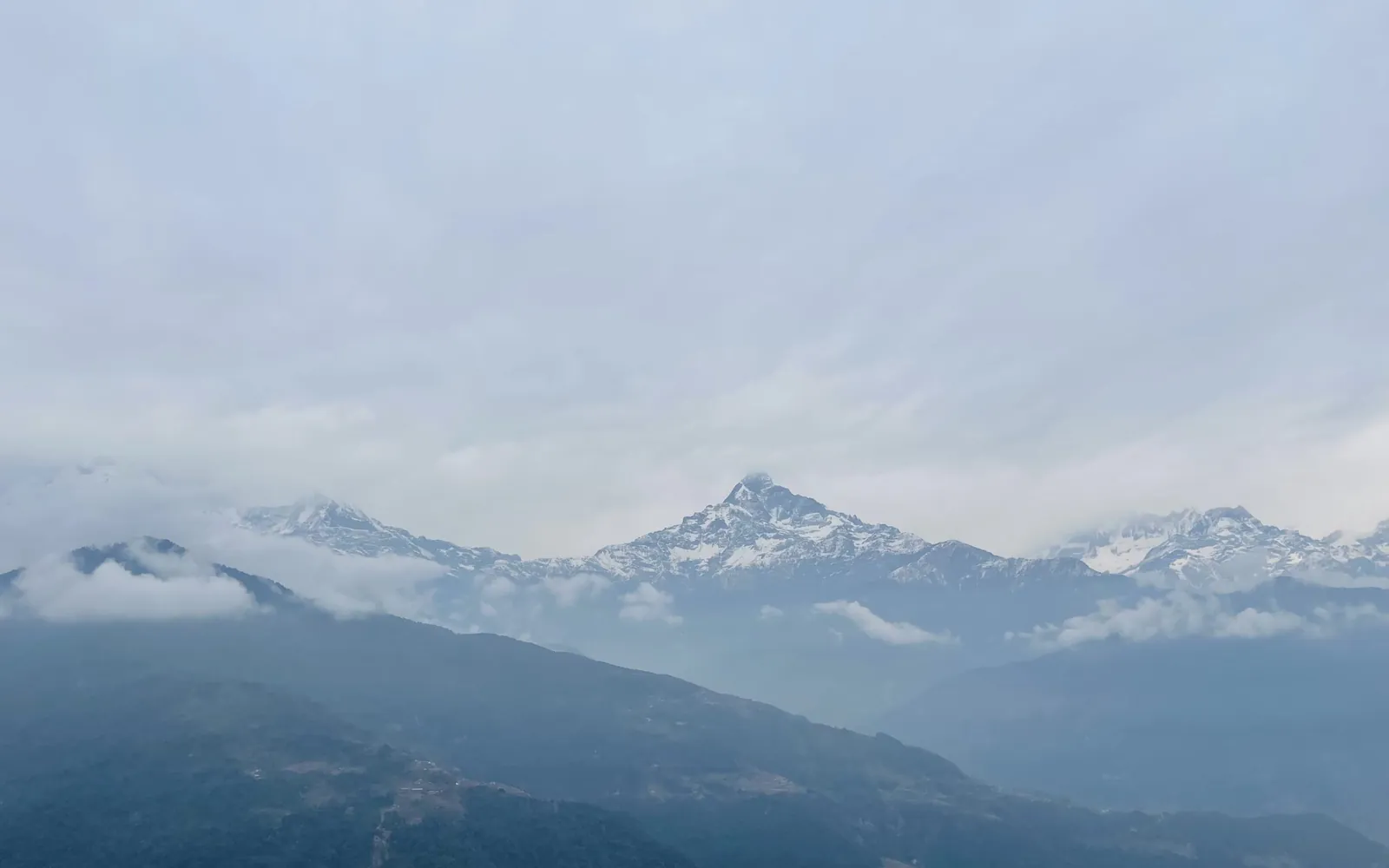
Twist: Read the creases as mountains, rivers and cliffs. Best for: Watercolour lovers.
Use wet-into-wet blues, greens and browns. Turn the sheet until you find a horizon, then add a few trees, a path or a tiny house to set the scale. Our guide to froissage with ink and watercolour explains wet-into-wet.
3. Crumpled portraits
Twist: Find a face, then exaggerate it. Best for: Teens and adults.
Faces appear easily in creases. Draw the eyes and mouth first, then let the creases become wrinkles, hair and shadows. Try a series of portraits from sheets crumpled in different ways.
4. Night city
Twist: Dark wash, light lines. Best for: Ages 9 and up.
Wash the sheet in deep blue or black, then use a white gel pen to draw windows, roofs and streets along the creases. The straight-ish crease lines make convincing buildings.
5. Ridge painting
Twist: Colour only the ridges. Best for: Coloured or dark papers.
Open the crumpled ball only partly and drag a nearly dry brush of light colour across the top. The ridges catch the paint and the creases stay dark. Flatten afterwards and see what appears.
6. Printed-page froissage
Twist: Crumple a page with print on it. Best for: Adults and older students.
Use a page from an old book, a map or sheet music. Wash a transparent colour over it so the creases and the printed text interact. This connects to the way Novák and Jiří Kolář worked with printed material; see Jiří Kolář’s collage techniques.
7. Crumplage reproduction
Twist: Crumple a picture instead of blank paper. Best for: Art history classes.
Crumple a postcard or printout of a famous painting, flatten it and mount it. Discuss what survives of the original. This is a simple version of the crumplage associated with Kolář.
8. Froissage collage
Twist: Add cut-out figures to a crumpled ground. Best for: Mixed-media fans.
Find a landscape in the creases, then glue in cut-out people, animals or vehicles. Full instructions are in froissage collage.
9. Texture library
Twist: Use crumpled sheets as a resource. Best for: Illustrators and designers.
Make a set of crumpled sheets in different papers and colours, scan or photograph them flat and keep them as textures for later drawings, either cut and pasted by hand or used digitally.
10. Crease map
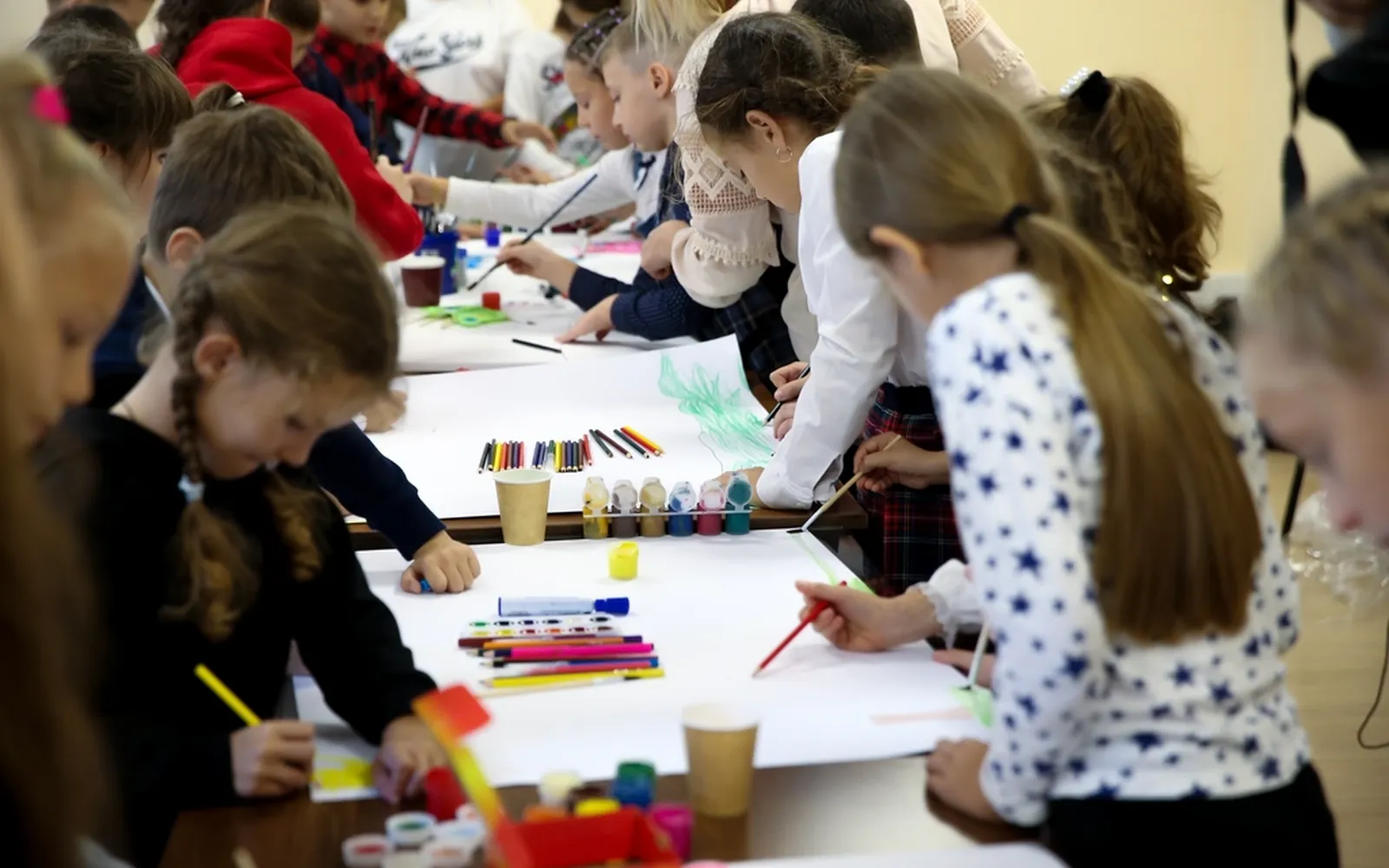
Twist: A group project. Best for: Classes and families.
Everyone crumples and washes one sheet in shades of blue and green. Join the sheets edge to edge to make one large “continent”. Each person names the countries, rivers and mountain ranges they find on their part of the map.
11. Froissage vs frottage diptych
Twist: Two textures side by side. Best for: Learning the difference.
Make a frottage rubbing of wood grain on one sheet and a froissage on another, then develop both into the same subject, for example a bird. Compare how each texture shapes the result. See froissage vs frottage.
12. A series of twelve
Twist: Same method, different crumples. Best for: Anyone wanting to go deeper.
Make twelve small froissages in one session, varying only one thing each time: how tight the crumple is, the paper, or the colour. Lay them out in a grid. Seeing them together shows how much the method can vary and makes a strong display; see how to display froissage art.
Seasonal and extended projects
Once the twelve projects above are familiar, three longer projects build on them and now have full step-by-step guides of their own, followed by an autumn project.
Paper batik. Draw in wax crayon, pressing hard, then crumple the sheet, flatten it and brush a dark watery wash over it. The wax resists the paint and the creases fill with colour, giving a crackled effect like batik cloth. It is a reliable classroom project from about age 5. See paper batik with crumpled paper, which also explains the real batik tradition the name comes from.
Crumpled paper landscapes. Expand idea 2 into a full painting: read a band of creases as a mountain range, paint the sky around it and model the slopes. Layering torn crumpled strips in progressively darker tones teaches aerial perspective. See crumpled paper landscape painting.
Halloween monsters. In October, turn the creature hunt into a seasonal project: wash the crumpled sheets in orange, purple and black and look for ghosts, bats and monsters in the creases. The guide to Halloween froissage monsters includes a 45-60 minute session plan and an exquisite-corpse variation.
Autumn leaves. Wash crumpled sheets in yellows, oranges and reds, cut out leaf shapes and draw veins along the creases; the guide to autumn leaves crumpled paper art adds a leaf-rubbing comparison and a little leaf science.
All four work well as a series displayed together, and all four can be combined with the texture library in idea 9. To use the crumpled sheet as a tool rather than a picture, try crumpled paper printing, which turns creases into prints.
Choosing paper and colour
| Idea | Paper | Colour |
|---|---|---|
| Creature hunt | Copy or drawing paper | One bright washable paint |
| Landscapes | Light watercolour paper | Watercolour, wet-into-wet |
| Night city | Drawing paper | Dark ink plus white gel pen |
| Ridge painting | Coloured paper | Light acrylic or gouache, dry brush |
| Printed page | Book or map pages | Transparent wash |
For the full comparison of papers and colours, see froissage materials.
For seasonal projects, see crumpled paper Christmas crafts, and for a classroom lesson on kindness, the wrinkled heart activity.
Frequently asked questions
What can you make with crumpled paper?
Paintings and drawings that use the creases as texture, such as landscapes, creatures and portraits, as well as collages, cards, bookmarks and relief sculptures.
How do you make crumpled paper look like rock or bark?
Crumple brown or grey paper tightly, flatten it and dry-brush a slightly darker colour across the ridges. Cut out the shapes and glue them on a flat background.
What is a good crumpled paper project for a group?
A crease map: each person crumples and washes a sheet, then the sheets are joined into one large map where everyone names the countries, rivers and mountains they find.
Sources
Editorial team
The Froissage.com editorial team researches the history of froissage from museum, encyclopedia and publisher sources and writes practical guides to the technique.