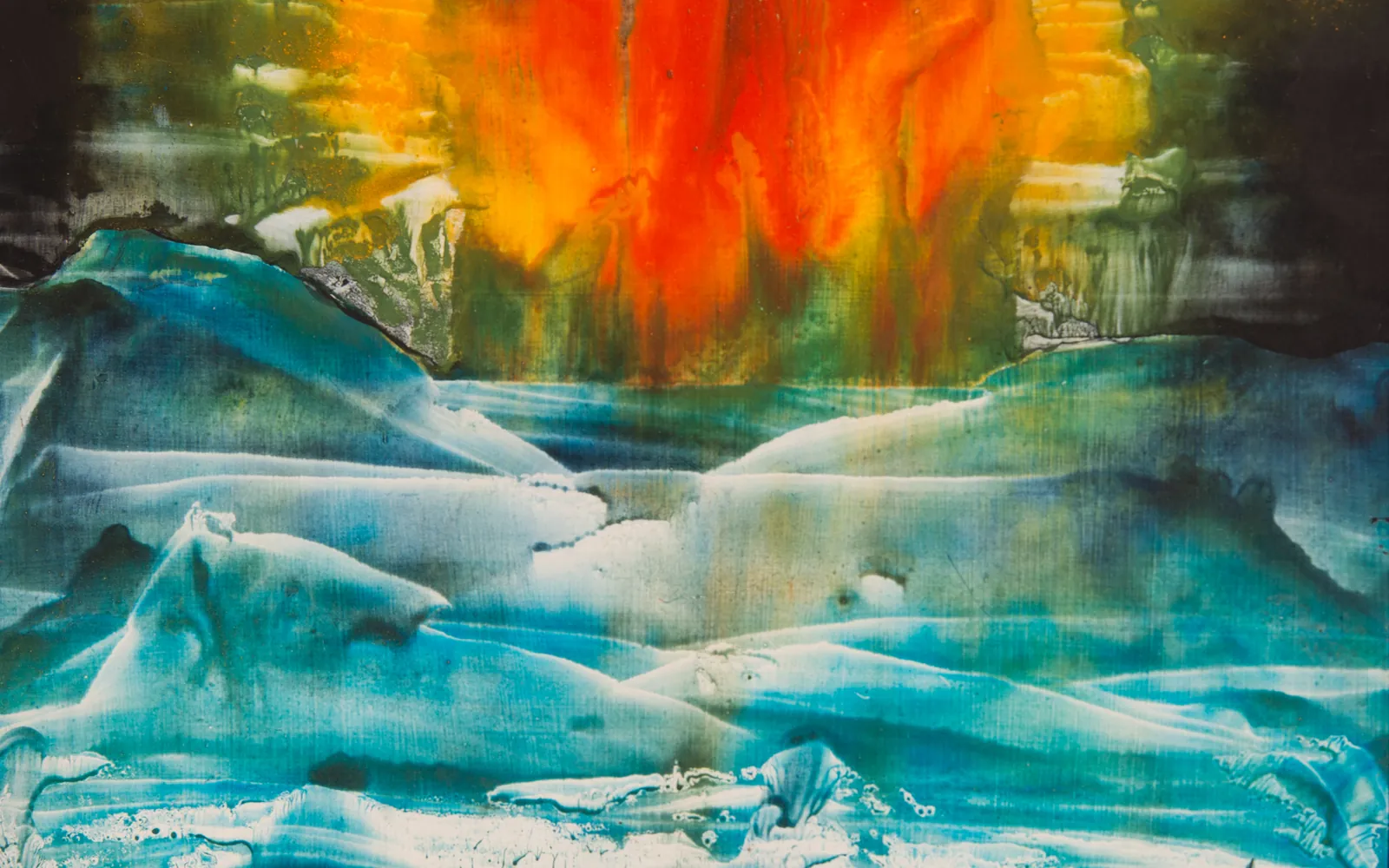
Technique
Grattage Art Technique: How Max Ernst Scraped Paint
Written by Froissage Editorial Team · Updated
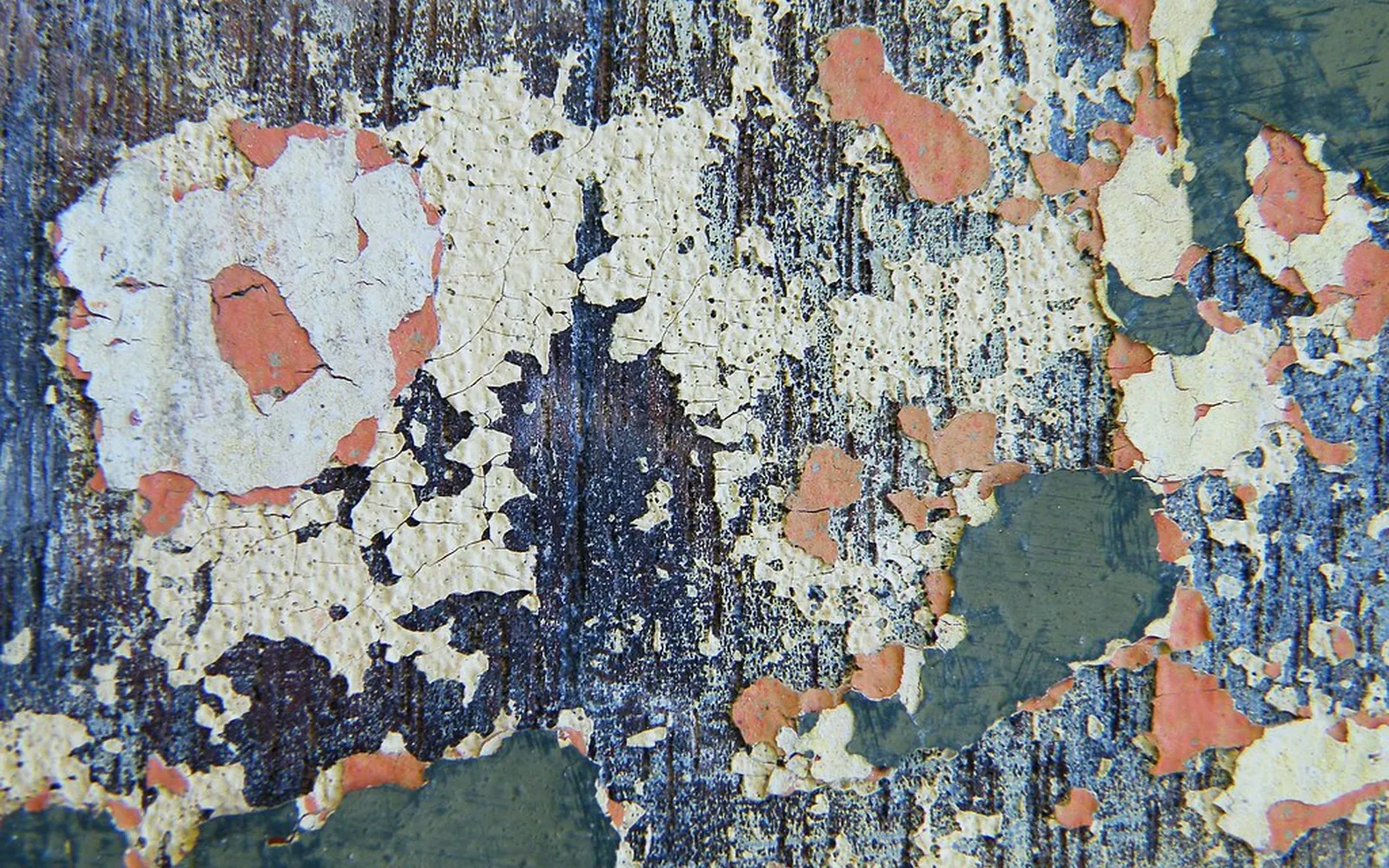
The grattage art technique is painting by scraping. A canvas covered with a layer of wet paint is placed over something with a texture, a plank of wood, a wire mesh, a piece of string, and the paint is scraped off with a blade or a palette knife. Wherever the hidden object pushes up, the paint is taken away; wherever there is a hollow, it stays. The result is a pattern the painter did not draw. Max Ernst invented the method in the 1920s, and it belongs to the same family of chance techniques as froissage, the art of drawing from crumpled paper.
What grattage means
Grattage is the French word for scraping or scratching. Tate defines it as a Surrealist painting technique that involves laying a canvas prepared with a layer of oil paint over a textured object and then scraping the paint off to create an unexpected surface. The scraping can also cut through to earlier, dry layers of paint, so that colours from below show through the top coat.
The important point is that the image is not planned. The texture under the canvas decides where the paint stays. The painter’s job comes afterwards: to look at the scraped surface, recognise forms in it and work them up into a picture.
Max Ernst and the invention of grattage
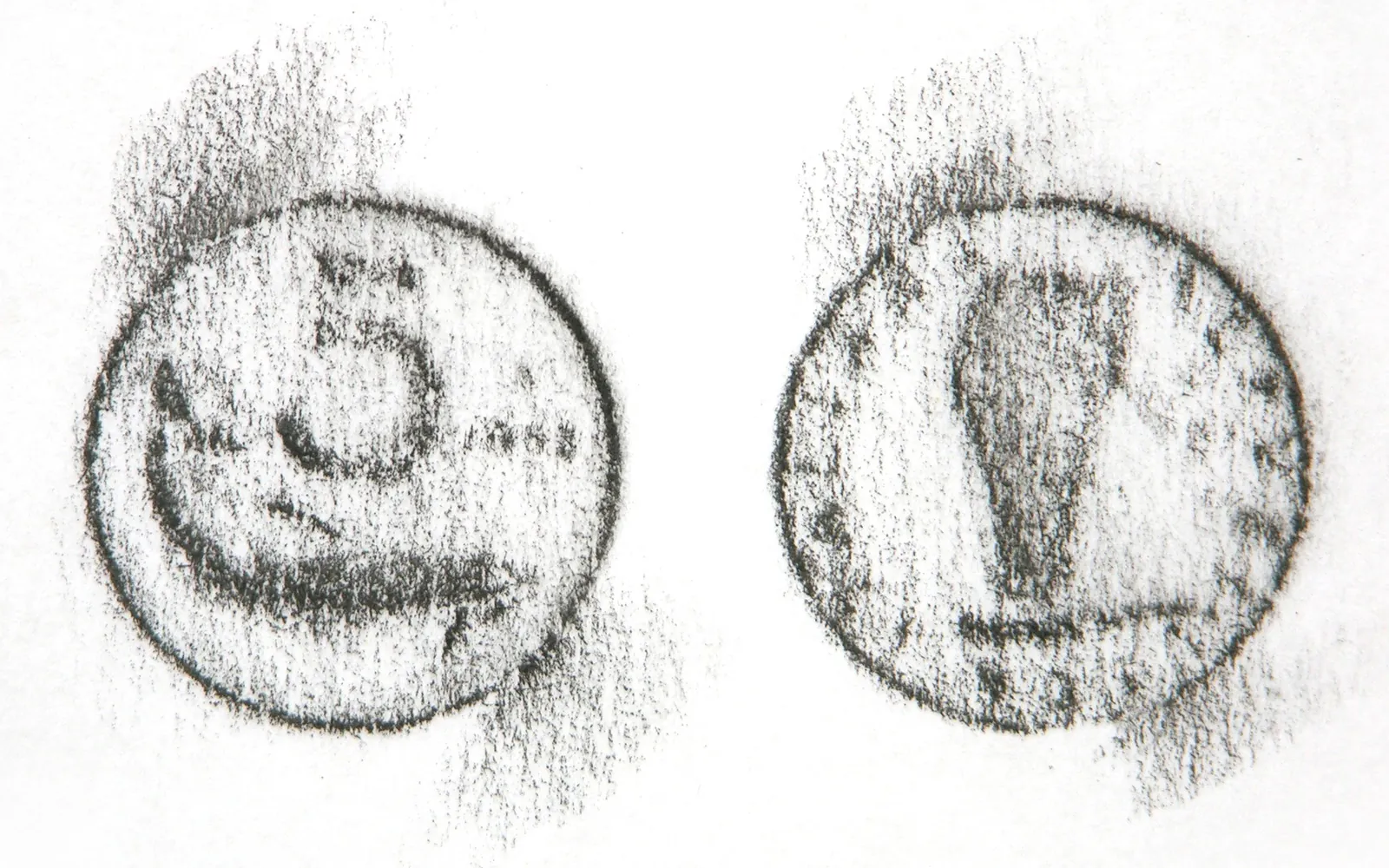
Max Ernst (1891-1976) was born in Brühl, near Cologne, and became one of the central figures of Dada and Surrealism in Paris. In 1925 he invented frottage, rubbing paper with a pencil over floorboards, leaves and other textured surfaces. Our frottage art technique guide explains that method in detail.
Grattage was his next step. Wikipedia’s article on the technique dates it to 1927, when Ernst transposed the rubbing principle from drawing on paper to oil painting. Tate notes that grattage was developed from frottage, and that in Ernst’s Forest and Dove (1927), now in the Tate collection, the trees appear to have been created by scraping over the backbone of a fish. Wikipedia also records that Ernst worked with Joan Miró in this period and that Miró used grattage too; later the German-French painter Hans Hartung developed scraping into his own abstract language.
Ernst made a whole series of forest paintings in the late 1920s with scraped, comb-like textures, dark walls of trees that look carved rather than painted. We do not reproduce them here because they are still in copyright, but Tate’s website shows Forest and Dove with a short description.
Grattage compared with frottage and froissage
All three techniques work in two stages: first a mark made by chance, then an image found in it.
| Technique | Action | Support | Associated artist |
|---|---|---|---|
| Frottage | Rubbing with pencil | Paper | Max Ernst, from 1925 |
| Grattage | Scraping wet paint | Canvas or board | Max Ernst, from 1927 |
| Froissage | Crumpling, then washing with ink | Paper | Ladislav Novák, from the 1960s |
Frottage records a texture by rubbing; grattage records it by removal. Froissage does not need an outside object at all: the texture is made by crumpling the paper itself. For the fuller picture of how these methods relate, see our overview of Surrealist art techniques and the side-by-side guide to froissage vs frottage.
What you need
- Support: a primed canvas board, a canvas panel or, for a cheap trial, heavy card of 300 gsm or more. Flexible stretched canvas lets you slip objects behind it; rigid boards are easier for beginners.
- Paint: oil paint is the historical choice and stays workable for longer. Acrylic dries faster but is water-based and easier to clean up; add a little acrylic retarder or work quickly in small areas.
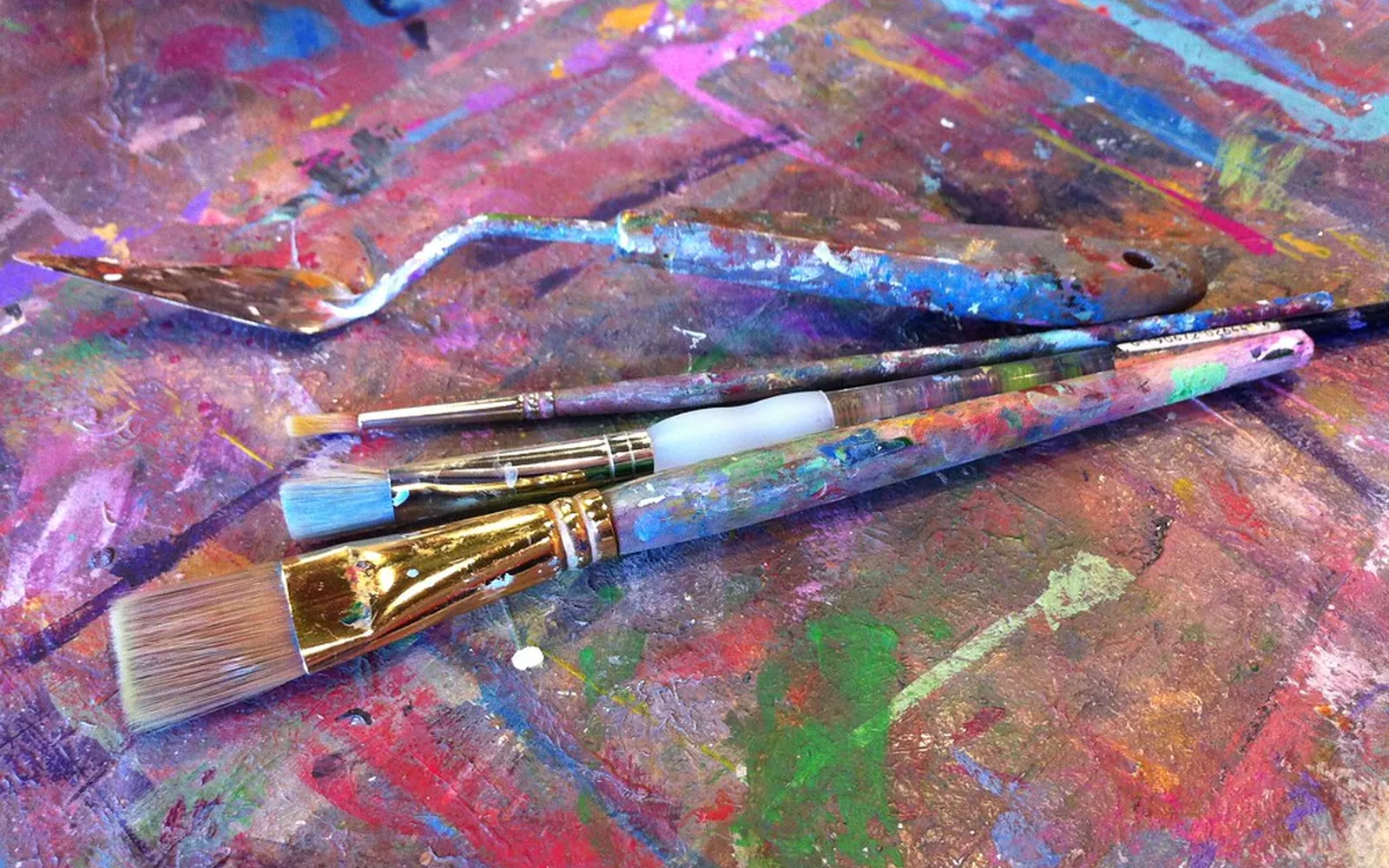
- Scrapers: a palette knife, an old plastic card or a rubber kitchen scraper. Adults can use a blunt blade, but sharp blades are not needed and are best avoided in classrooms.
- Textures: anything flat and firm with relief: wood grain, wire mesh, coarse fabric, bubble wrap, string glued in a pattern to card, a large leaf, a comb, a crumpled and flattened sheet of thick paper.
Making a grattage step by step
Start with a dry base colour, for example a dark blue or black. When it is completely dry, brush on a second, contrasting colour such as an ochre or a pale grey, fairly thickly, and leave it wet.
Place your textured object on the table, set the board on top, wet side up, and scrape firmly across the surface in one or two passes. On the high points of the texture the top colour is removed and the dark base shows through; in the low points it stays. Lift the board and look at the result in all four orientations before you decide which way up it is.
Now comes the Surrealist part. Look for forms: a row of trees, a bird, a cliff, a face. This is the same habit of seeing images in random patterns that we describe on our page about pareidolia in art. Once the paint is dry, add a few touches of colour or a drawn line to make your discovery readable, but leave most of the scraped texture alone. Over-painting kills the effect.
Using a crumpled sheet as the hidden texture
A froissage-style variation works very well. Crumple a sheet of thick cartridge paper hard, flatten it, and glue it to a piece of card so the creases stay raised. Use it as the texture under your painted board. The scraped surface picks up a web of sharp, branching lines that looks like cracked earth or a satellite view of rivers. You can then compare it with an ordinary froissage made from the same crumpled sheet using our step-by-step froissage guide.
Common problems
- Nothing shows: the paint is too thin or already dry. Apply a thicker top layer and scrape sooner.
- Everything comes off: you pressed too hard or the texture is too high. Use less pressure or a flatter object.
- Muddy colours: the base layer was not dry. Wait until it is fully cured before adding the top layer.
- Blurred edges: the board slid on the texture. Tape the object to the table first.
Grattage in the classroom
With water-based paint on card, plastic scrapers and safe textures, grattage works from upper primary age. A good lesson pairs it with frottage: pupils make a rubbing of a texture, then scrape the same texture in paint, and compare the two. Show Ernst’s Forest and Dove on the Tate website at the start and ask pupils what they think made the trees before you reveal the fish bone. Our froissage lesson plan can be extended with this activity as a second session.
Scratching into paint was also central to Jean Dubuffet’s soil-like paintings of 1957-58; see Jean Dubuffet’s Texturologies for how he combined spattering, sand and the prongs of a fork.
Frequently asked questions
What is the grattage art technique?
Grattage is a Surrealist painting method. A canvas or board covered with a layer of wet paint is laid over a textured object, such as wood, mesh or string, and the paint is scraped off. The texture underneath prints itself into the remaining paint, and the artist then works back into the unexpected marks.
Who invented grattage?
Tate and most reference works credit the German-born Surrealist Max Ernst (1891-1976). He developed it in 1927 from frottage, the pencil-rubbing technique he had invented in 1925.
What is the difference between grattage and frottage?
Frottage is rubbing: paper is laid on a textured surface and rubbed with pencil or crayon. Grattage is scraping: wet paint on canvas is scraped over a textured surface. Frottage is a drawing technique on paper; grattage transfers the same idea to painting.
Is grattage the same as scratch art or sgraffito?
Not quite. Scratch art and sgraffito cut through a top layer with a point to draw deliberate lines. Grattage scrapes a whole area over a hidden texture, so the marks come from the object underneath rather than from a planned drawing.
Can children do grattage?
Yes, with water-based acrylic or poster paint on card, safe flat objects and plastic scrapers instead of blades. Avoid oil paint and solvents with younger children.
Sources
Editorial team
The Froissage.com editorial team researches the history of froissage from museum, encyclopedia and publisher sources and writes practical guides to the technique.