Classroom
Halloween Froissage Monsters: Crumpled Paper Art Project
Written by Froissage Editorial Team · Updated
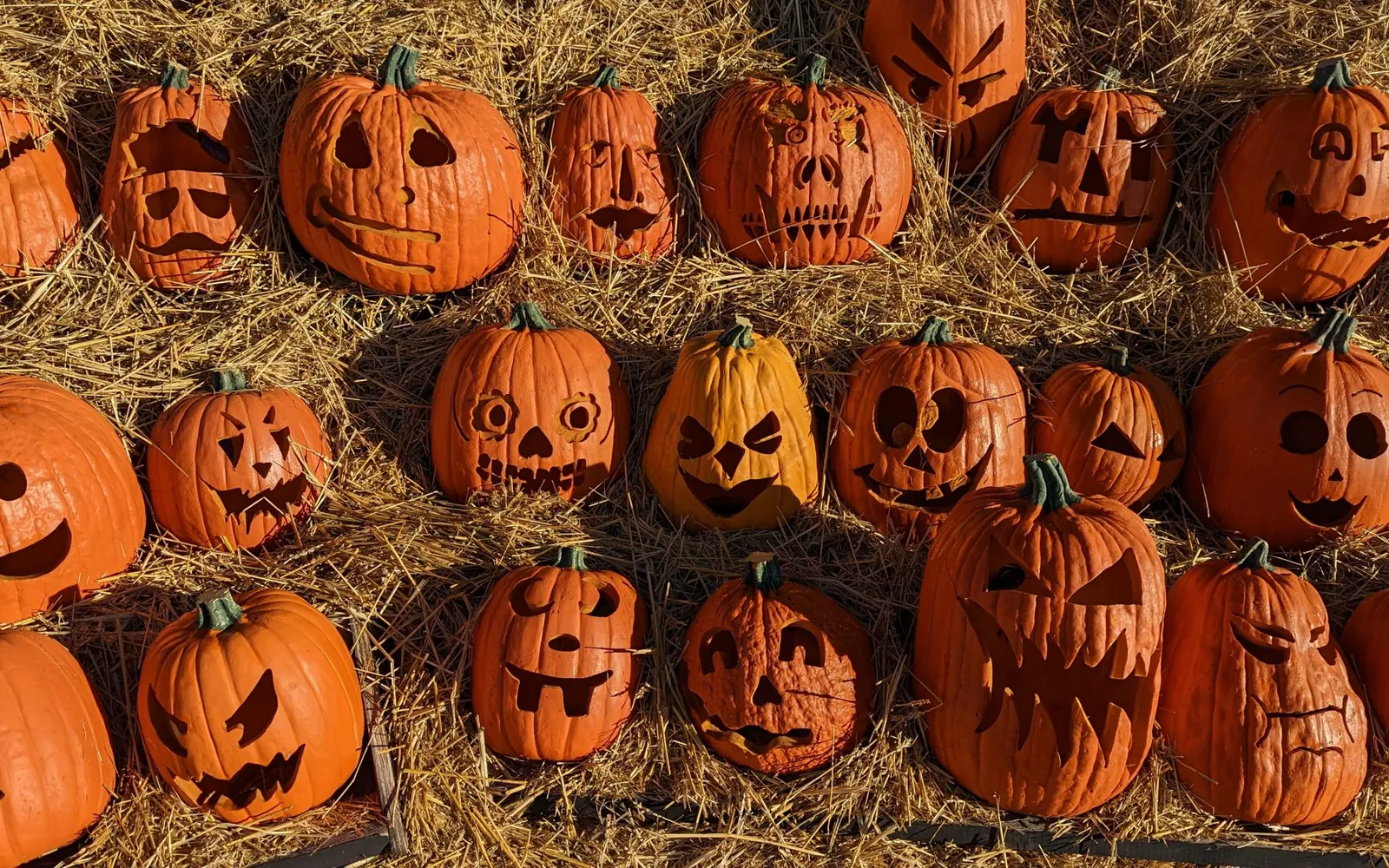
Halloween froissage monsters are the perfect October art project: messy enough to be fun, simple enough for any age, and full of surprises. Each child crumples a sheet of paper, paints it in Halloween colours, and then hunts for the creature hiding in the creases. Because the creases are different on every sheet, every monster is unique, and children who think they “can’t draw” are often the ones who find the strangest creatures. This guide gives a full plan for a 45-60 minute session, with variations, adaptations by age and display ideas.
Why froissage suits Halloween
Froissage means drawing or painting from the creases of crumpled paper. A crumpled sheet washed with ink is full of jagged lines, dark hollows and odd shapes. Our eyes naturally find faces in such patterns, a tendency explained in our article on pareidolia in art. At Halloween, that tendency becomes a game: the creases supply the claws, teeth, wings and staring eyes.
There is also a real art-history link. The Czech artist Ladislav Novák, who developed froissage in the 1960s, used crumpled sheets washed with ink and watercolour to draw out grotesque figures, heads, animals and hybrid creatures that seem to emerge from the paper. Showing pupils this idea before they start helps them understand that they are using a genuine artist’s method, not just making a craft. You can read about him in our profile of Ladislav Novák. His works are still in copyright, so look at them on museum websites rather than printing copies.
Materials
- Drawing or cartridge paper, 100-150 gsm, A4 or A3
- Washable school paint or watercolour in orange, purple, green and black, watered down
- Wide brushes and water pots
- Black felt-tip pens or markers (fine and thick)
- Optional: white gel pens or white paint for eyes and teeth, glitter-free decorations
- Newspaper or plastic sheets to protect tables
Choose non-toxic, washable products labelled for children. Our guide to froissage materials explains how paper weight changes the creases.
A 45-60 minute session plan
1. Introduction (5 minutes). Show a crumpled, washed sheet and ask the class what they can see in it. Mention that a Czech artist called Ladislav Novák made pictures this way, and that today they will find monsters.
2. Crumple and paint (10-15 minutes). Follow the first three steps listed at the top of the page. Encourage pupils to crumple at least twice and to use one light colour and one dark colour. Remind them not to scrub, so the paper does not tear.
3. Drying break (20-40 minutes or until the next lesson). Use the time for a warm-up: pupils draw five monster eyes, five mouths and five pairs of horns on scrap paper, so they have ideas ready.
4. Monster hunt (10 minutes). Pupils turn their dry sheets around and look. Ask them to find at least two possible monsters before choosing one, and to mark it lightly in pencil.
5. Draw it out (15 minutes). With black markers, pupils outline the monster along the creases and add details. The rule: change as little as possible, and let the creases do the work.
6. Share (5 minutes). Each pupil names their monster and says where it lives or what it eats. Hold sheets up and let others guess where the monster is before the artist points it out.
Variations
Monster gallery wall. Mount all the monsters on black card in a grid with name labels. Our guide on how to display froissage art explains flattening and mounting.
Exquisite corpse monsters. Fold a crumpled, painted sheet into three bands. One pupil draws a head in the top band, folds it over, and passes it on; the next draws a body, the third the legs. This is a version of the Surrealists’ exquisite corpse drawing game, described in our overview of Surrealist art techniques.
Haunted landscapes. Instead of a single monster, turn the creases into a haunted hill, a crooked house and a sky full of bats. Wash the sheet in deep purple and add a pale moon.
Crayon-resist monsters. Draw pumpkins, bats or ghosts in bright wax crayon before crumpling, then wash with black. The crayon resists the paint and the creases fill with dark lines. Our paper batik with crumpled paper guide explains the method.
Not-so-scary version. For very young children or anyone who dislikes frightening images, call them “crease creatures” and look for friendly animals and funny faces instead.
Adapting by age
Ages 5-7. Use A4, thick markers and ready-mixed washes. Help with flattening. Focus on spotting one face and adding eyes and a mouth.
Ages 8-11. Introduce Novák and the idea of chance in art. Ask pupils to write a short “monster card” with name, habitat and special power.
Ages 12 and up. Compare froissage with other chance techniques and discuss how the Surrealists used accident to start images. Pupils can make a series of three monsters on different papers and compare the creases.
Displaying the monsters safely
A wall of froissage monsters makes a striking Halloween display, but paper and flames do not mix. Keep paper displays well away from candles, lanterns, heaters and hot bulbs; use battery tea lights inside pumpkins near any paper decoration. Mount the monsters on dark card so the washed colours glow, add a speech bubble or a short story under each, and see how to display froissage art for flattening and hanging methods.
After Halloween: keep the sheets
The washed sheets do not have to go in the bin on 1 November. Sheets washed in orange and purple can be cut up for autumn collages, and the creased texture of the darker sheets makes excellent night skies for winter scenes. If you save a few plain crumpled and washed sheets, they become the starting point for the cards and collages in crumpled paper Christmas crafts. For a quieter project in the same weeks, the wrinkled heart activity uses a creased paper heart to talk about kindness, and fits October’s bullying prevention month in the United States.
Tips for good results
- Crumple hard, open gently. Tight crumpling gives more creases; gentle opening prevents tears.
- Use a dark final wash. Diluted black or deep purple in the creases makes the monsters easy to find.
- Look in four directions. Many of the best creatures appear upside down.
- Stop early. A few strong lines and two eyes are often enough.
For more crumpled-paper projects through the year, see froissage for kids and our list of crumpled paper art ideas.
Frequently asked questions
What is a froissage monster?
It is a creature found in the creases of a crumpled, painted sheet of paper. After the sheet dries, you turn it around until the creases suggest a face, claws or wings, then draw the monster out with a black pen or marker.
What colours work best for Halloween froissage?
Orange, purple, green and black are the classic choice. Use one or two light washes first, then a dark one. Diluted black ink or watercolour in the creases gives the strongest Halloween look.
How long does the Halloween froissage project take?
About 45 to 60 minutes of class time, plus drying. Many teachers paint the sheets in one session and draw the monsters in the next, which avoids waiting.
Is this suitable for young children?
Yes, with some help. Children of 5 and 6 can crumple and paint by themselves and usually spot faces quickly. An adult can help them open the paper without tearing and give them a thick black marker for drawing.
Do I need special paint?
No. Ordinary washable school paint or watercolour, watered down, is enough. Choose non-toxic, washable products labelled for children.
How can I display Halloween paper art safely?
Keep paper displays away from candles, lanterns, heaters and hot bulbs, and use battery tea lights in pumpkins near any paper decorations. Mount the monsters on dark card and fix them firmly so they cannot fall onto a heat source.
What can we do with the monsters after Halloween?
Cut the washed sheets into shapes for autumn or winter collages, use the dark creased sheets as night skies, or keep plain crumpled sheets for Christmas cards.
Sources
Editorial team
The Froissage.com editorial team researches the history of froissage from museum, encyclopedia and publisher sources and writes practical guides to the technique.