Classroom
Crumpled Paper Christmas Crafts: 8 Easy Festive Projects
Written by Froissage Editorial Team · Updated
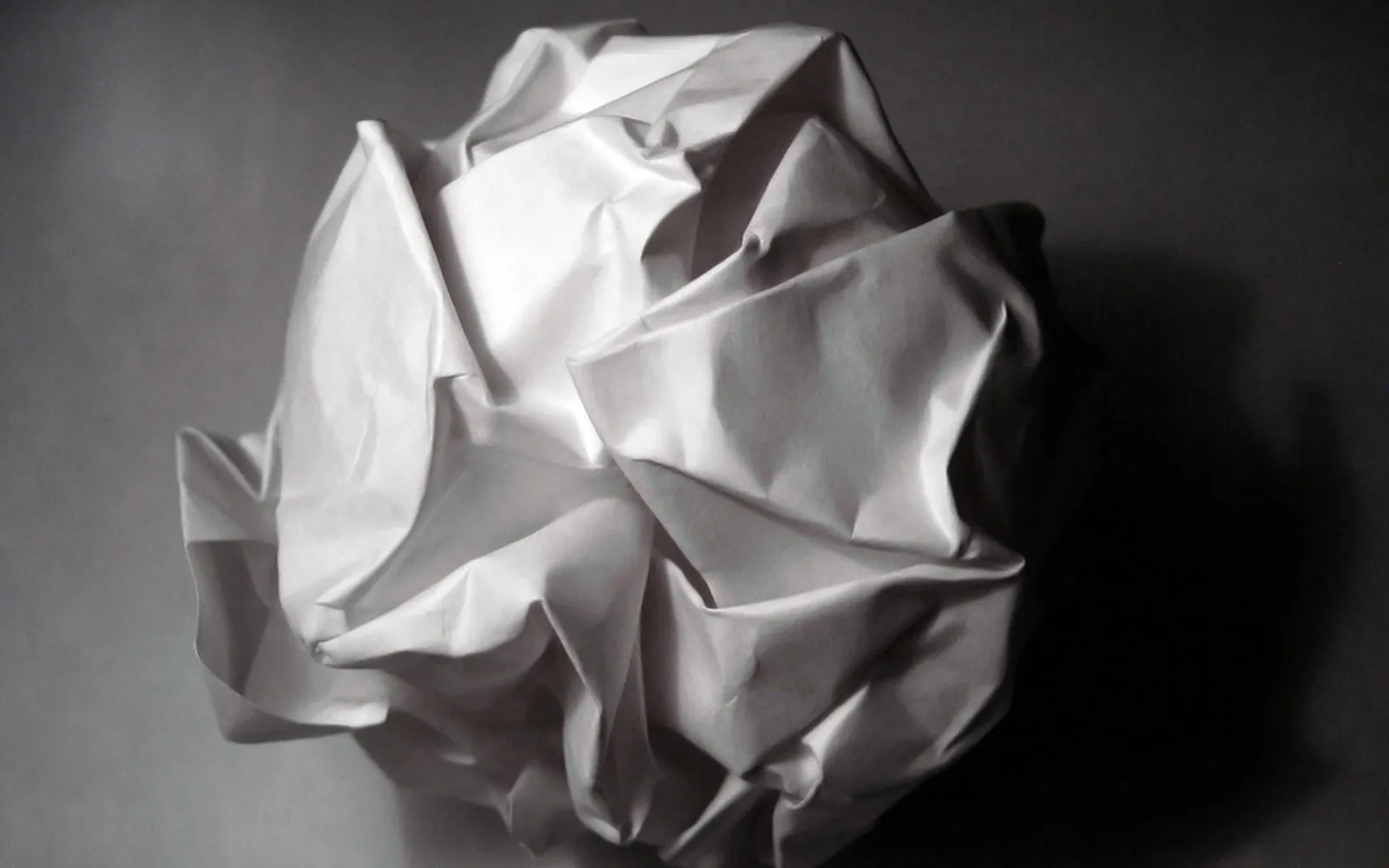
Crumpled paper Christmas crafts are among the cheapest and most satisfying things you can make in December. A crumpled sheet already has texture, light and shadow built in, so a few simple steps turn wrapping paper, tissue or newspaper into trees, snowballs, ornaments and cards. The idea is the same as in froissage, the art of crumpled paper: you let the creases do half the work, then decide what they become.
Here are eight projects, from a five-minute activity for toddlers to a froissage card that adults will enjoy too, with tips on materials, recycling and safety.
Materials to collect
Start collecting a few weeks before you need them:
- Tissue paper in green, red, white and gold for soft, bright shapes.
- Brown kraft paper and paper bags for rustic stars and wreaths.
- Newspaper and old book pages for a vintage look.
- Last year’s wrapping paper, as long as it is plain paper rather than foil.
- Cartridge or watercolour paper for cards that will be painted.
- Card, paper plates, glue sticks, PVA glue, scissors, string and watercolour or diluted ink.
1. Froissage Christmas cards
This is the project closest to the technique this site is about, and the results are genuinely beautiful.
- Crumple a sheet of cartridge or watercolour paper tightly, then open and flatten it.
- Brush diluted green, blue or red ink or watercolour over the sheet. The colour runs into the creases and leaves dark lines, as described in froissage with ink and watercolour.
- When dry, look for a Christmas image in the pattern: a fir tree, a snowy mountain village, an angel’s wing, a star.
- Draw it out with a fine black or gold pen, then cut the sheet to size and glue it onto a folded card.
Each card is unique, because no two crumples are the same. For a winter landscape, follow the steps in crumpled paper landscape painting and add a few snowflakes in white gel pen.
2. Scrunched tissue paper tree
A classic for preschool and reception classes, and good for fine motor skills.
- Cut a large triangle from green card, or draw one on a sheet of paper.
- Tear green tissue paper into squares and scrunch each square into a small ball.
- Glue the balls onto the triangle until it is covered.
- Add a brown paper trunk and “baubles” of scrunched red, yellow and white tissue.
Younger children can press the balls onto a triangle spread with PVA glue. Our guide to scrunched tissue paper art has more techniques for small hands.
3. Paper snowball garland
Crumple white printer paper or tissue into tight balls of different sizes, then thread them on string with a blunt needle (adult help needed) or glue them along a ribbon. Lightly dab some with diluted blue paint for icy shadows. A garland of thirty snowballs takes a class about ten minutes.
4. Crumpled kraft paper stars
- Crumple a sheet of brown kraft paper or a paper bag several times until it is soft, then flatten it.
- Draw a star on the back and cut it out.
- Rub the raised creases very lightly with a white or gold crayon held on its side, which picks out the texture like a frottage.
- Punch a hole and hang with string.
The softened paper looks almost like leather. The same idea, pushed much further, is the Japanese technique described in momigami.
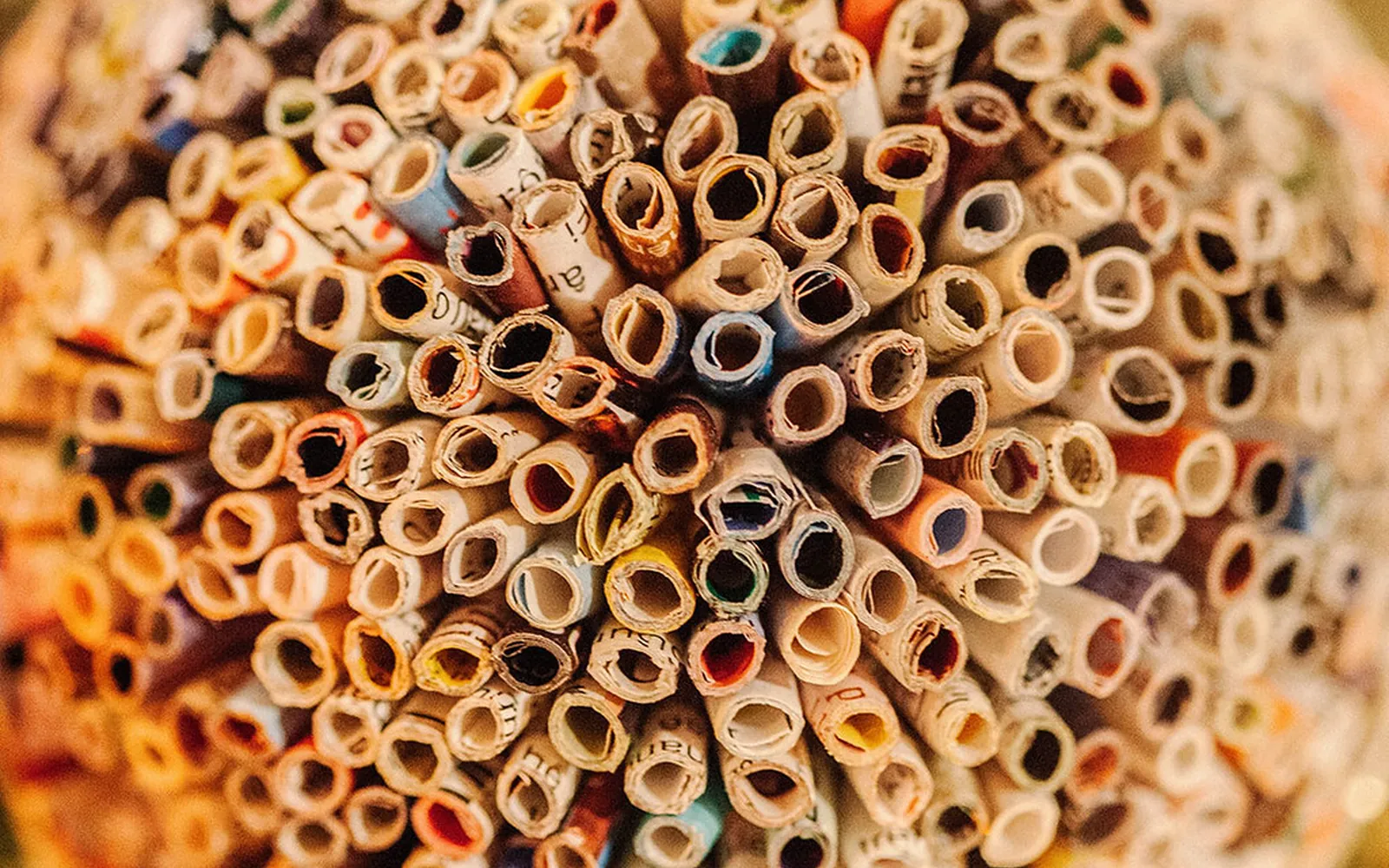
5. Rolled and crumpled paper ornament
The photo at the top of this page shows an ornament made from hundreds of tightly rolled paper strips. A simpler version for a class:
- Cut a circle of card about 10 cm across.
- Roll short strips of newspaper or wrapping paper tightly around a pencil, slide them off and glue them standing up on the card, or simply glue on small crumpled balls.
- Cover the whole circle, then add a loop of string.
6. Paper plate wreath
Cut the centre out of a paper plate. Scrunch squares of green tissue and crumpled kraft paper and glue them around the ring, overlapping them so no plate shows. Add berries of scrunched red tissue and a bow of crumpled brown paper. Making the wreath in two or three greens gives it depth.
7. Crumpled foil and paper baubles
For a bit of sparkle, crumple kitchen foil around a ball of scrunched newspaper, then flatten patches of it with your thumb to create facets. Our guide to aluminum foil art shows how to colour foil with permanent markers. Keep foil crafts separate from paper ones when you recycle them.
8. Christmas collage with froissage offcuts
Keep the leftover painted froissage sheets from project 1 and cut them into shapes: trees, presents, roofs, stars. Arrange them on dark card to make a Christmas street or a forest scene. This is a good way to use every scrap and introduces the idea of froissage collage.
Recycling: the scrunch test
Crumpled paper has one more useful job at Christmas. The UK recycling campaign Recycle Now promotes a simple scrunch test for wrapping paper, explained by KQED: scrunch the paper in your hand. If it crumples easily and stays scrunched, it is usually recyclable. If it resists being scrunched, it may not be recyclable. KQED also notes that metallic and foil papers, laminated papers and paper with glitter should be avoided, and that shiny bows and nylon ribbons cannot be recycled.
That gives a good rule for crafting: choose papers that pass the scrunch test, remove tape, ribbons and decorations before recycling, and check what your local council or recycling service accepts, because rules differ from place to place.
Safety
- Keep paper away from flames and heat. Paper decorations should never hang near candles, open fires, heaters or hot bulbs. Fire safety guidance from the US National Fire Protection Association is commonly summarised as keeping candles at least 12 inches (about 30 cm) from anything that can burn, and never leaving them unattended.
- Small parts. Paper balls and beads can be a choking hazard for very young children; supervise under-threes closely.
- Needles and scissors. Threading garlands with needles is an adult or older-child job.
Making it a lesson
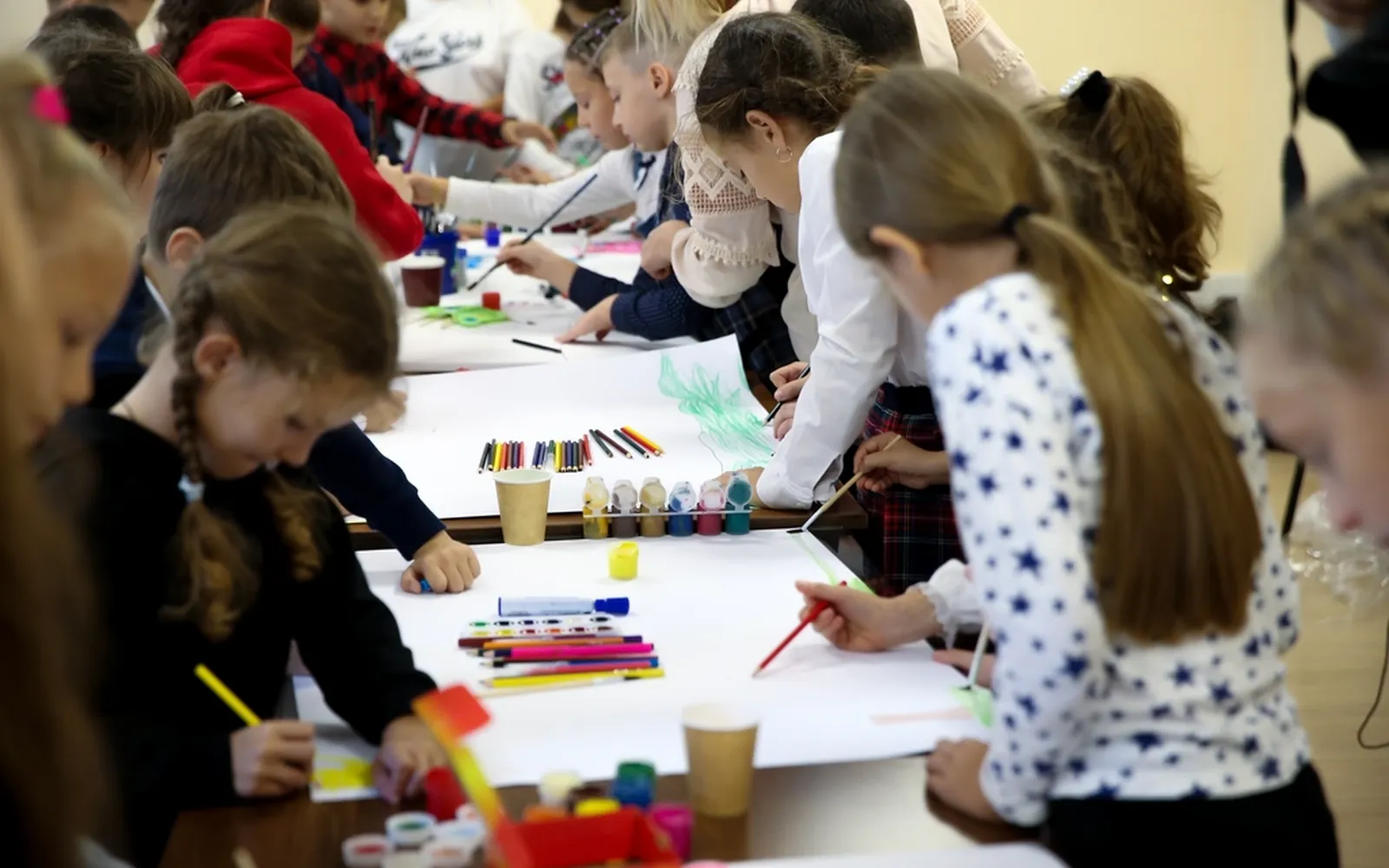
For a classroom, combine one quick project (the scrunched tree or snowball garland) with one slower one (the froissage card). The froissage for kids guide and the froissage lesson plan give a structure for introducing the technique, and how to display froissage art has ideas for showing the finished work. For the autumn term before December, try autumn leaves crumpled paper art or the Halloween froissage monsters.
Frequently asked questions
What paper is best for crumpled paper Christmas crafts?
Tissue paper for soft, colourful shapes; brown kraft paper and paper bags for rustic decorations; newspaper and old book pages for vintage looks; and plain cartridge paper for froissage cards that will be painted. Avoid foil and glitter paper if you want the finished craft to be recyclable.
How do you make a crumpled paper Christmas tree?
Draw or cut a large triangle of card, then glue on small balls of scrunched green tissue paper until it is covered. Add a trunk of brown paper and decorations of scrunched red and yellow tissue. It is a classic activity for preschool children.
Can you recycle crafts made from wrapping paper?
Plain paper crafts usually can be recycled once glue-heavy parts, ribbons, tape and decorations are removed. Paper with foil, glitter or a plastic coating usually cannot. Check what your local council or recycling service accepts.
How do you make a froissage Christmas card?
Crumple a sheet of watercolour or cartridge paper, flatten it, brush diluted ink or watercolour over it so the colour gathers in the creases, let it dry, then look for a Christmas image in the pattern, such as a tree, an angel or a snowy village, and draw it out with a pen.
Are paper decorations a fire risk?
Paper burns easily, so keep paper decorations away from candles, fires, heaters and hot bulbs. Never leave candles burning unattended, and keep them well away from anything that can catch fire.
Sources
Editorial team
The Froissage.com editorial team researches the history of froissage from museum, encyclopedia and publisher sources and writes practical guides to the technique.