Classroom
Paper Batik With Crumpled Paper: Crayon Resist Project
Written by Froissage Editorial Team · Updated
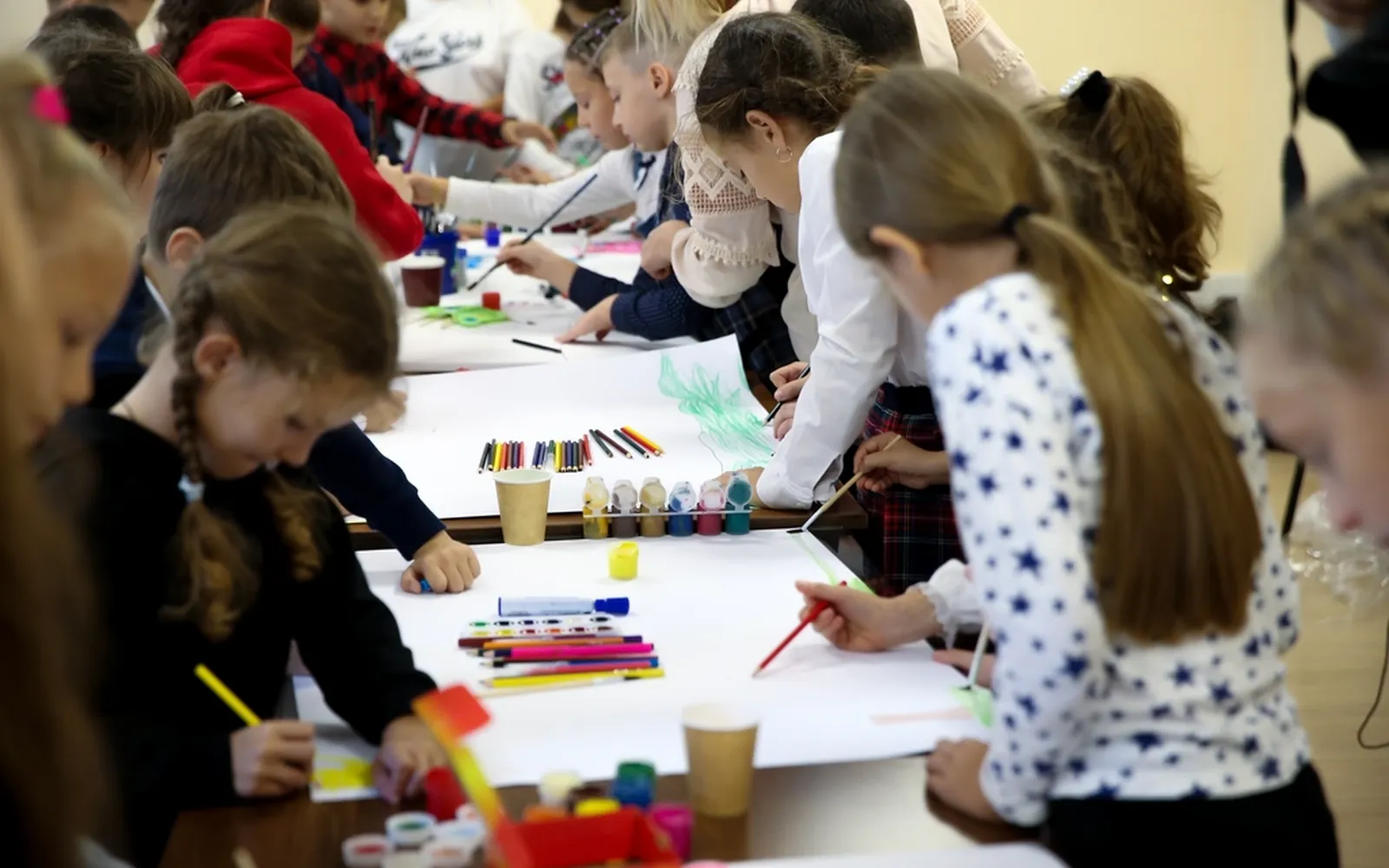
Paper batik with crumpled paper is one of the most satisfying art projects for a classroom or a kitchen table. Children draw with wax crayons, crumple the drawing into a ball, open it and brush a dark wash over it. The wax resists the paint, the creases soak it up, and the picture comes back covered in a fine network of dark lines, like the crackle on a batik cloth. This guide explains how and why it works, where the name comes from, and how to adapt the project for different ages.
How paper batik works
Two things happen at once.
Wax resist. Wax crayons are made mostly of wax, and wax repels water. When you brush a watery paint or ink over a crayon drawing, the colour runs off the waxed areas and soaks into the bare paper around them. Pressing hard with the crayon gives a thicker layer of wax and a stronger resist.
Crumpling. When you crumple the sheet, the wax cracks along every fold and the paper fibres break. The dark wash finds its way into those cracks. When you flatten the sheet again, every crease shows as a fine dark line running through the crayon colours. That is the effect people recognise as “batik”.
The crumpling stage is exactly what froissage is built on: the creases decide part of the pattern, and nobody can plan them precisely.
Where the name comes from
Real batik is a way of decorating cloth with wax and dye. UNESCO, which inscribed Indonesian batik on its Representative List of the Intangible Cultural Heritage of Humanity in 2009, describes the process: artisans draw designs on cloth with dots and lines of hot wax, which blocks the dye; the cloth is dyed, and the wax is then removed with boiling water to reveal the undyed pattern. For several colours, the process is repeated. UNESCO notes that batik is woven through Indonesian life, from carriers for babies to wedding clothes and ritual cloths.
Resist dyeing with wax is also practised in other parts of the world. Paper batik is a simplified school version that borrows the principle and the crackled look. It is good practice to tell pupils that the name comes from a living textile tradition, and to show them real batik cloth or museum images if you can.
Materials
- Paper: brown kraft paper or a large paper bag opened flat for the classic look; white cartridge paper (100-150 gsm) for brighter colours.
- Wax crayons: ordinary wax crayons work well. Oil pastels also resist water but smear more.
- Wash: black, dark blue, brown or purple watercolour, ready-mixed paint or ink, watered down to a thin, flowing consistency.
- Tools: a wide soft brush, a damp sponge or paper towels, newspaper to protect the table.
- Optional: an iron and plain newsprint for flattening, used by an adult only.
Step by step
Follow the steps listed at the top of this page. Three tips make the difference between a muddy result and a striking one:
- Press hard and fill in. Thin, scratchy crayon lets the wash through. Solid, heavily pressed areas stay bright.
- Crumple more than you think. Two or three crumplings give a dense network of fine lines; one gives a few thick folds.
- Use a thin wash and wipe quickly. Thick paint sits on top of the wax. A watery wash, wiped lightly with a sponge, leaves the colour only in the creases.
Design ideas
- Patterns. Bold geometric repeats, spirals and dots, which suit the batik effect.
- Nature. Leaves, fish, birds and flowers with large blocks of colour.
- Night scenes. Bright crayon houses and moons under a dark blue wash.
- Halloween. Pumpkins, bats and ghosts under a purple or black wash, a seasonal twist that pairs well with our Halloween froissage monsters.
- Find-the-image batik. Older pupils can crumple and wash a sheet with no drawing, then use crayon afterwards to draw out shapes they see in the creases, which turns the project into a true froissage.
Adapting by age
Ages 5-7. Use pre-cut paper about A4, large crayons and a ready-mixed wash. An adult can help with flattening. Focus on pressing hard and on the surprise of the reveal.
Ages 8-11. Introduce the idea of wax resist and the origin of the name. Ask pupils to plan a design with areas of colour and areas left bare, and to compare one crumpling with three.
Ages 12 and up. Link the project to the history of chance techniques and to froissage artists. Pupils can make a series of three sheets with different papers and washes and write a short comparison.
Common problems
- The wash covers everything: the crayon was too thin or the paint too thick. Press harder and dilute the wash.
- The paper tears: it is too thin or too wet. Use kraft or heavier paper and do not scrub with the brush.
- No crackle lines: the sheet was not crumpled firmly enough. Crumple again before washing.
- The work curls: dry it under a light weight between newspaper, or have an adult iron it on low.
Seasonal versions
Because the method works with any drawing, paper batik adapts easily to the school year:
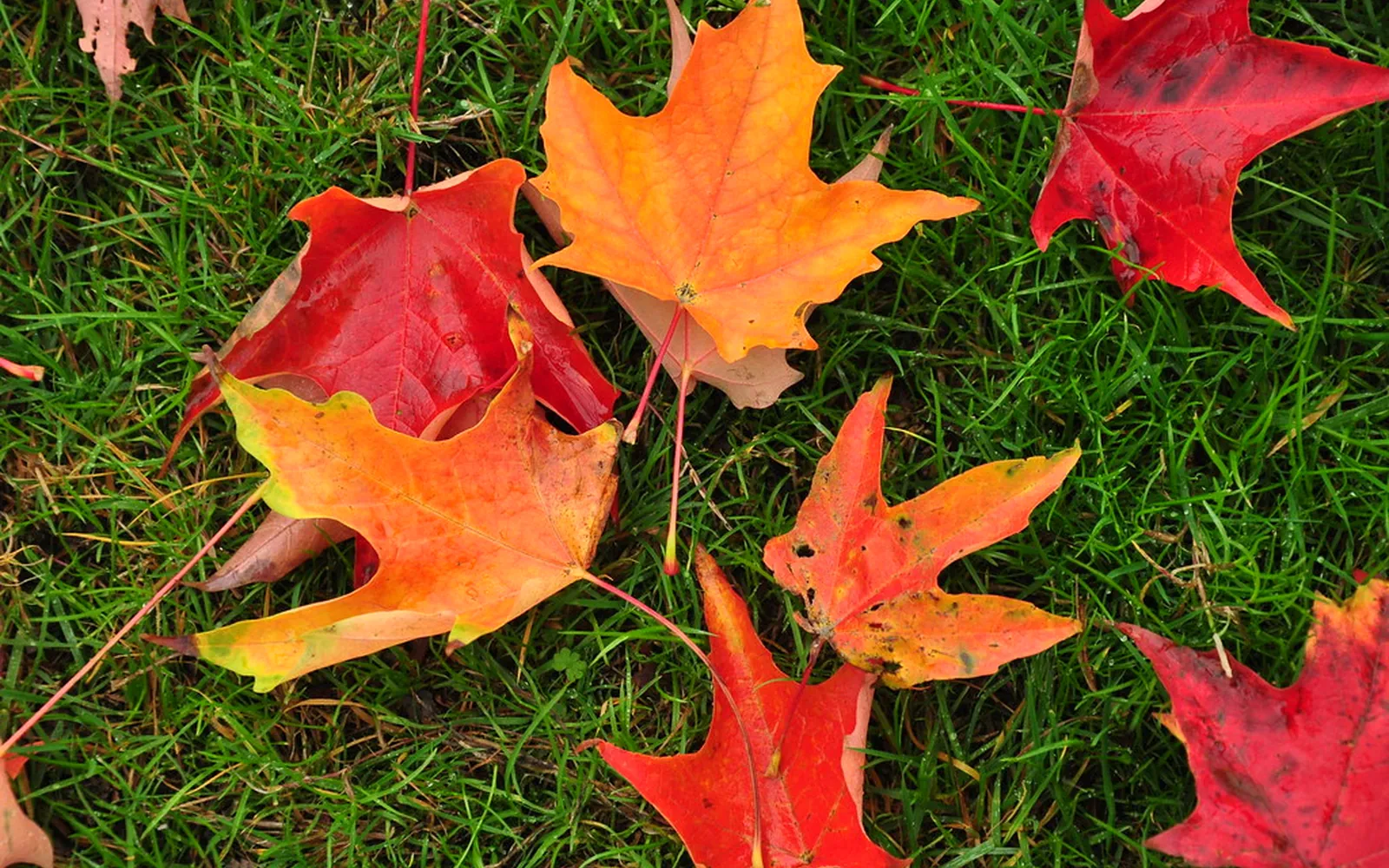
- Autumn. Draw leaves with yellow, orange and red crayon, crumple, and wash with dark brown or deep purple. The crackle looks like the veins and texture of dry leaves. Combine the result with the ideas in autumn leaves crumpled paper art.
- Halloween. Draw ghosts, bats and pumpkins in white and orange crayon and wash with black or dark purple, a natural partner for Halloween froissage monsters.
- Winter and Christmas. White crayon snowflakes or stars under a dark blue wash give a convincing night sky. The finished sheets make good card fronts; more ideas are in crumpled paper Christmas crafts.
- Spring. Pale crayon flowers under a green or blue wash, with the crackle reading as grass or water.
Wax resist beyond crayons
Crayons are the classroom favourite, but any waxy or oily material resists water-based paint. White candle wax gives invisible drawings that appear only when the wash goes on, which children find magical; oil pastels give softer, more painterly lines and bolder colour. Keep the wash thin in every case, since thick paint can cover the resist. The watercolor salt technique can be added on top while the wash is still wet for an extra layer of texture.
Display and follow-up
Paper batiks look strong mounted on black card or hung in a grid. Our guide on how to display froissage art covers flattening and mounting. For more crumpled-paper projects, see froissage for kids, the froissage lesson plan and our list of crumpled paper art ideas.
Frequently asked questions
What is paper batik?
Paper batik is a school art technique that imitates the look of batik cloth. You draw with wax crayon, crumple the paper, flatten it and brush a dark wash over it. The wax resists the paint and the creases fill with colour, creating a crackled effect.
Why does the paint not stick to the crayon?
Wax crayons are made largely of wax, which repels water. A watery paint or ink runs off the waxed areas and soaks into bare paper and into the broken fibres along the creases.
What paper works best for paper batik?
Brown kraft paper or an opened paper bag gives the most traditional look and survives crumpling well. White cartridge paper of around 100-150 gsm also works and makes the colours brighter. Very thin paper tears when wet.
Do I have to iron paper batik?
No. Ironing only flattens the sheet and can make the wax slightly glossy. If you do it, an adult should use a low setting with no steam and put plain newsprint above and below the work.
Is paper batik the same as real batik?
No. Real batik is a cloth-dyeing technique in which hot wax is applied to fabric, the fabric is dyed, and the wax is removed. Paper batik borrows the idea of wax resist and the crackled look, and it is worth telling pupils where the name comes from.
Can I use oil pastels instead of wax crayons?
Yes. Oil pastels also resist water-based paint and give softer, brighter lines. Press firmly so the layer is thick enough to repel the wash, and keep the wash thin.
How do I make a hidden picture with paper batik?
Draw with a white candle or white crayon on white paper, so the drawing is almost invisible. Crumple, then brush on a dark wash: the picture appears as the paint rolls off the wax.
Sources
Editorial team
The Froissage.com editorial team researches the history of froissage from museum, encyclopedia and publisher sources and writes practical guides to the technique.