Classroom
Wrinkled Heart Activity: Crumpled Paper Kindness Lesson
Written by Froissage Editorial Team · Updated
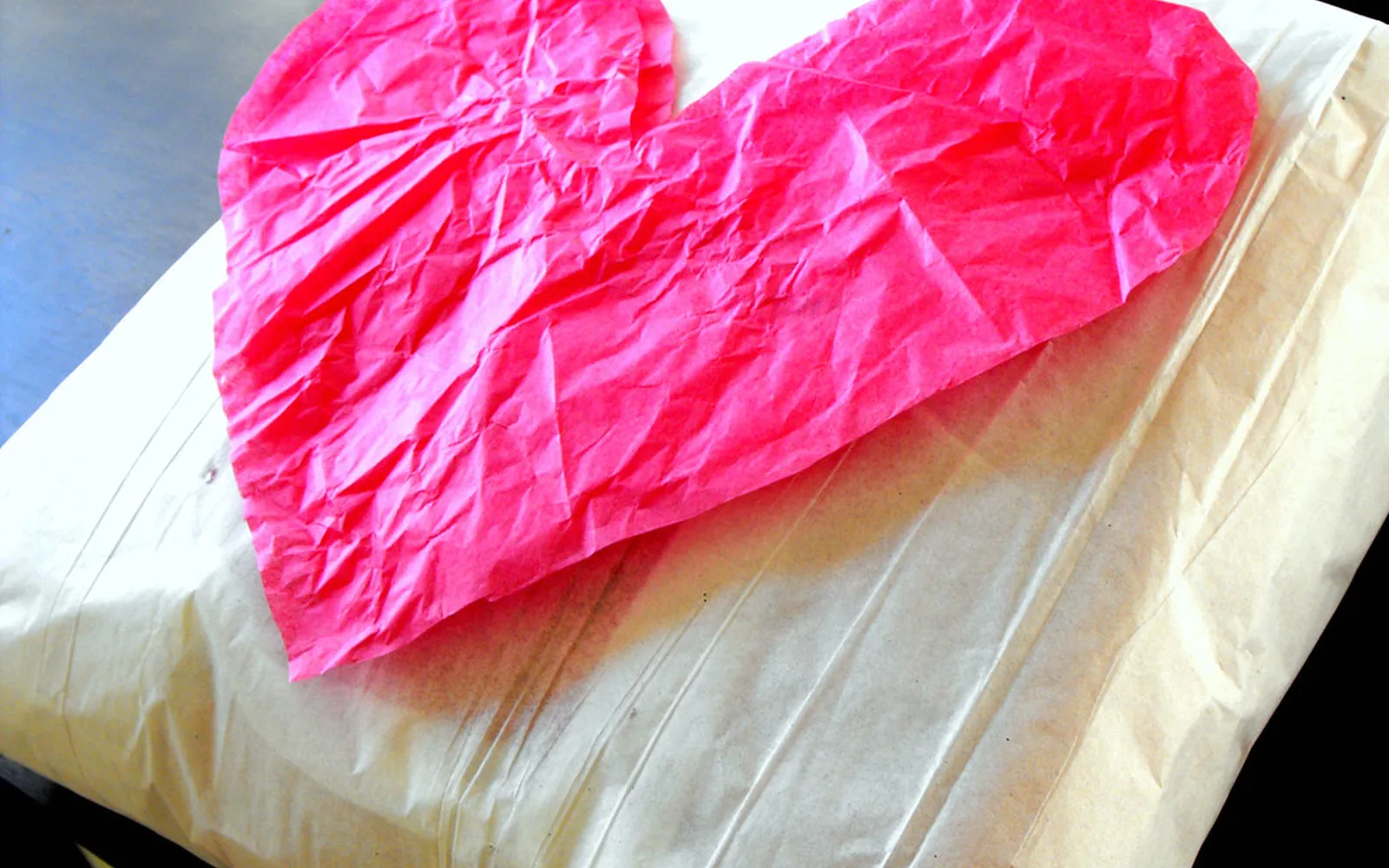
The wrinkled heart activity is one of the most widely used kindness lessons in primary schools, and it needs nothing more than a sheet of paper. Students crumple a paper heart a little for every hurtful word or action they can think of, then try to smooth it out again as they name kind ones. However carefully they smooth it, the heart never becomes flat. The creases stay, and that simple, physical fact does more than a long speech to show children that words leave marks.
On a site about froissage, the art of crumpled paper, this lesson has a special place. It uses exactly the property that froissage artists love, the permanence of a crease, and gives it a moral meaning. This guide explains how to run the activity, how to adapt the discussion for different ages, and how to finish with an art project that turns the wrinkles into something new.
Where the activity comes from
The lesson circulates in many versions in schools and teacher blogs. One of the most cited descriptions is from PACER’s National Bullying Prevention Center in the United States, which presents “A Wrinkled Heart” as an activity designed for younger students. PACER describes the steps: cut out a paper heart for each student or one large heart for the class; ask for examples of hurtful words or actions and wrinkle or fold the heart for each; then ask for positive experiences and unfold the heart for each. The point, as PACER puts it, is that the wrinkles never come all the way out.
PACER also mentions a picture book by Tracy Hoexter, A Wrinkled Heart, which teachers can read aloud while folding and unfolding a heart in step with the story.
When to use it
The activity fits any time, but two dates make it especially timely:
- October is National Bullying Prevention Month in the United States, promoted by PACER as a month-long effort to prevent childhood bullying and encourage kindness and inclusion. Its Unity Day asks people to wear and share orange.
- Anti-Bullying Week 2026 in England runs from Monday 16 to Friday 20 November, organised by the Anti-Bullying Alliance with the theme “Break the Silence”.
It also works well at the start of a school year, when a class is agreeing on its rules, or after a specific incident, handled carefully and without naming anyone.
Materials
- Sturdy paper in a strong colour: construction paper, sugar paper or thick printer paper. Tissue paper creases beautifully but tears easily.
- Scissors and a heart template for younger children.
- Optional: a copy of A Wrinkled Heart or another picture book about kindness.
- For the art follow-up: watercolour, diluted ink or crayons, and brushes.
How to run the wrinkled heart activity
The steps box on this page gives the short version. Here is the lesson in more detail.
1. Prepare and set ground rules
Give each student a heart, or hold one large heart yourself. Before you begin, agree on two rules: examples must be general (“someone laughs at you when you make a mistake”), and no one names a classmate. This keeps the activity safe and stops it turning into blame.
2. Crumple for hurtful words
Ask: “What are some things people say or do that hurt feelings?” For each answer, students fold, crease or squeeze their heart a little. With a single class heart, pass it around the circle so each student adds one crease. Some teachers warn against letting the crumpling become a game of stamping on the paper; keep the tone calm.
3. Smooth for kind words
Now ask: “What are things people have done that made you feel good?” For each answer, students carefully smooth their heart. Encourage specific examples: someone sitting with you at lunch, a friend asking if you are all right, a sincere apology.
4. Look closely
Ask everyone to hold up their heart. What does it look like? Is it flat again? Why not? Students usually notice on their own that the creases are permanent, even after all the kind actions.
5. Discuss
Use questions suited to the age of the class (see below), then finish on a positive note: what can each person do to avoid putting wrinkles in someone else’s heart, and to help smooth them when they see it happen?
Discussion questions by age
Ages 5 to 7
- How did the heart change when we said unkind things?
- Did saying sorry make it perfectly flat?
- What could you do if you see someone being unkind?
Ages 8 to 11
- Why do you think the creases stay even after an apology?
- Is it easier to put a crease in or to smooth one out? Why?
- What is the difference between a joke and a hurtful comment?
- Who can you tell if someone is unkind to you?
Ages 12 and over
- Online comments are permanent too. How does this activity apply to messages and posts?
- Can a person with a “wrinkled heart” still be strong and whole?
- What does it take to repair trust after someone has been hurt?
The art follow-up: from wrinkled heart to froissage
The lesson can end with the creased heart in a drawer, or it can end with something beautiful. This follow-up uses the froissage technique to turn the marks into an artwork:
- Open the heart flat on a table without trying to remove the creases.
- Brush on diluted watercolour or ink. The paint gathers in the creases and shows them as dark lines, exactly as in froissage. Our guide to froissage with ink and watercolour explains the washes.
- Or rub over it with a crayon laid on its side, which picks out the ridges, a variation on frottage.
- Look for images in the creases, as froissage artists do, and draw them out with a pen.
- Write a kind message on the back or around the heart.
The result makes a strong discussion point in its own right: the marks have not gone away, but they have become part of something new and valued. Display the hearts together on a board, using the mounting ideas in how to display froissage art.
Tips for running it well
- Keep it short. The power of the activity is in the image of the creased heart. Avoid long lectures afterwards.
- Model the examples. Offer one hurtful and one kind example yourself to show the level of detail you expect.
- Watch for upset. The activity can bring up real experiences. Follow your school’s safeguarding procedures if a student discloses bullying, and check in privately with anyone who seems distressed.
- Do not overpromise. The message is not that hurt can never heal, but that words have effects and kindness matters. The older-student questions above help with that nuance.
- Connect it to the class. Make the hearts part of your class agreement or display them near the door as a reminder.
Related activities
For more ways to use crumpled paper with young children, see crumpled paper art for preschoolers and froissage for kids. If students are curious about why paper keeps its creases, the science of crumpled paper explains what happens inside the sheet, and how to flatten crumpled paper shows how far the creases can really be removed.
Frequently asked questions
What is the wrinkled heart activity?
A short classroom lesson about the effect of hurtful words. Students crumple or fold a paper heart each time someone names a hurtful thing people say or do, then try to smooth it out as they name kind actions. The creases that remain start a discussion about how words affect people.
What age is the wrinkled heart activity for?
PACER describes it as an activity designed for younger students, in its elementary school section. It works with older children and teenagers too if you change the discussion questions and give more time for reflection.
How long does the activity take?
The core activity takes 15 to 20 minutes. Allow another 20 to 30 minutes if you add the art follow-up or written reflection.
Is there a book that goes with the wrinkled heart lesson?
PACER mentions Tracy Hoexter's book A Wrinkled Heart, which can be read aloud while the teacher folds and unfolds a paper heart along with the story.
What if a student shares something serious?
Set ground rules beforehand: no names of classmates, and examples should be general. If a student reveals bullying or harm, follow your school's safeguarding or reporting procedure and talk to them privately afterwards.
Sources
Editorial team
The Froissage.com editorial team researches the history of froissage from museum, encyclopedia and publisher sources and writes practical guides to the technique.