Classroom
Crumpled Paper Printing: Dab Prints and Crease Monoprints
Written by Froissage Editorial Team · Updated
Crumpled paper printing turns the crumpled sheet from the picture into the tool. In froissage, you crumple paper, open it and draw from its creases. In printing, you use the crumpled paper to carry paint or ink onto another surface: either as a soft ball for dabbing, or as an inked plate whose network of creases prints like a map of tiny rivers. Both methods are cheap, quick and unpredictable, which makes them ideal for classrooms and for anyone who enjoys chance in art.
Two ways to print with crumpled paper
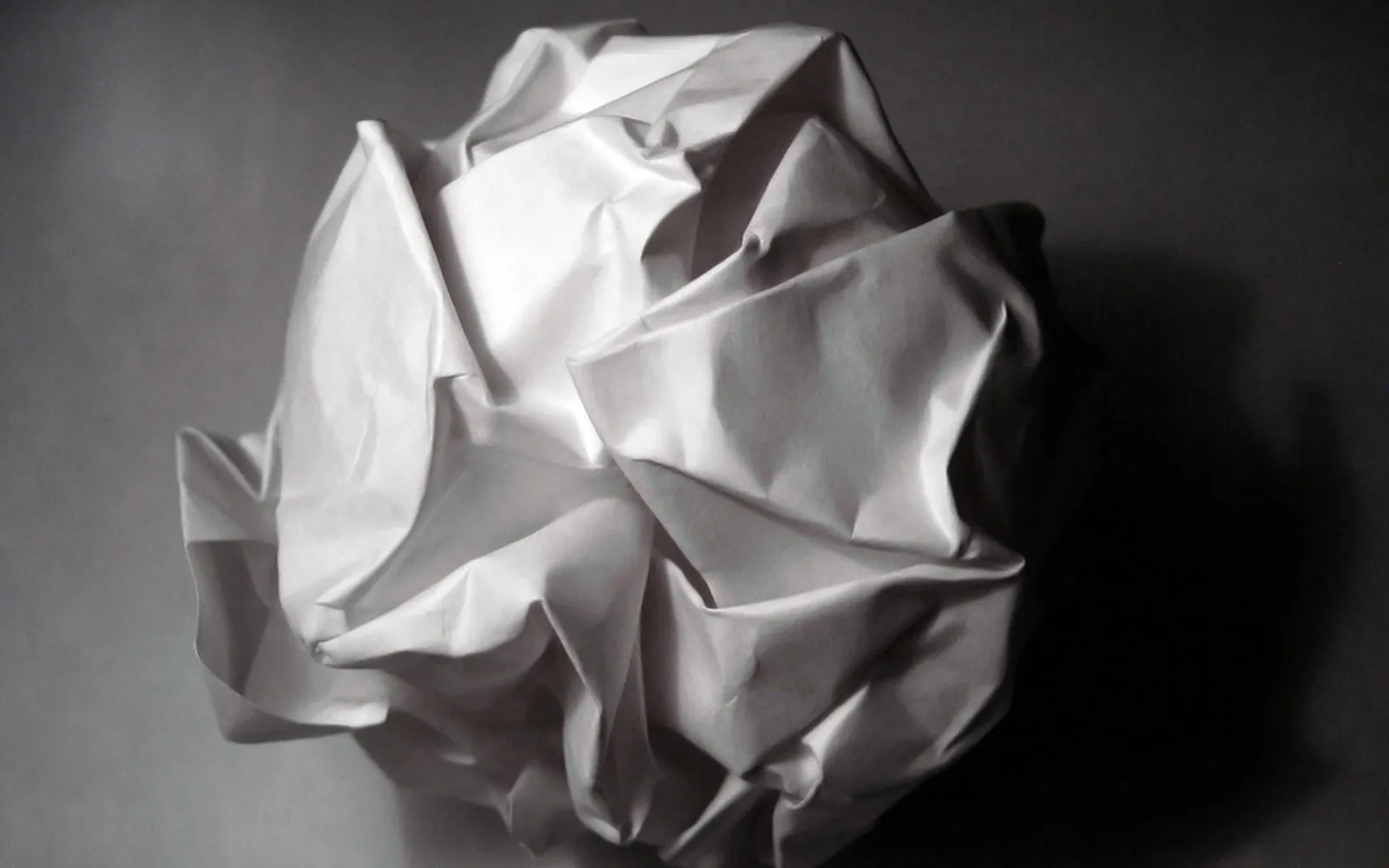
Dab printing uses a loose ball of crumpled paper as a stamp. Dipped in paint and pressed onto paper, it leaves a mottled, cloudy mark. Repeated, the marks build up textures that look like foliage, clouds, lichen, sponge or animal fur.
Crease printing uses a crumpled and flattened sheet as a printing plate. Ink is rolled over it, so only the raised ridges pick up colour. When a clean sheet is pressed on top, it receives a print of those ridges: a fine web of lines, broken by white gaps, that no hand would draw.
Both are relief methods: the ink sits on what stands up. That puts them close to frottage, where pencil rubbing records the high points of a texture, and to the scraped paint of the grattage art technique.
Dab printing step by step
You need ready-mixed poster or acrylic paint, a flat plate or tray, scrap paper and good cartridge paper.
- Spread a thin layer of paint on the plate. Too much paint fills the creases of the ball and gives flat blobs.
- Crumple a half-sheet of paper loosely into a ball about the size of a child’s fist.
- Dab the ball into the paint, test on scrap paper, then dab on your sheet.
- Turn the ball between dabs so the pattern changes. Replace it when it gets soggy.
- Layer a second colour once the first is touch-dry.
Dab printing is excellent for backgrounds. Children can print a dark blue night sky, a green hedge or an autumn tree crown, then add details with a brush or collage once it is dry. Our crumpled paper art ideas include more projects that build on such backgrounds.
Crease printing step by step
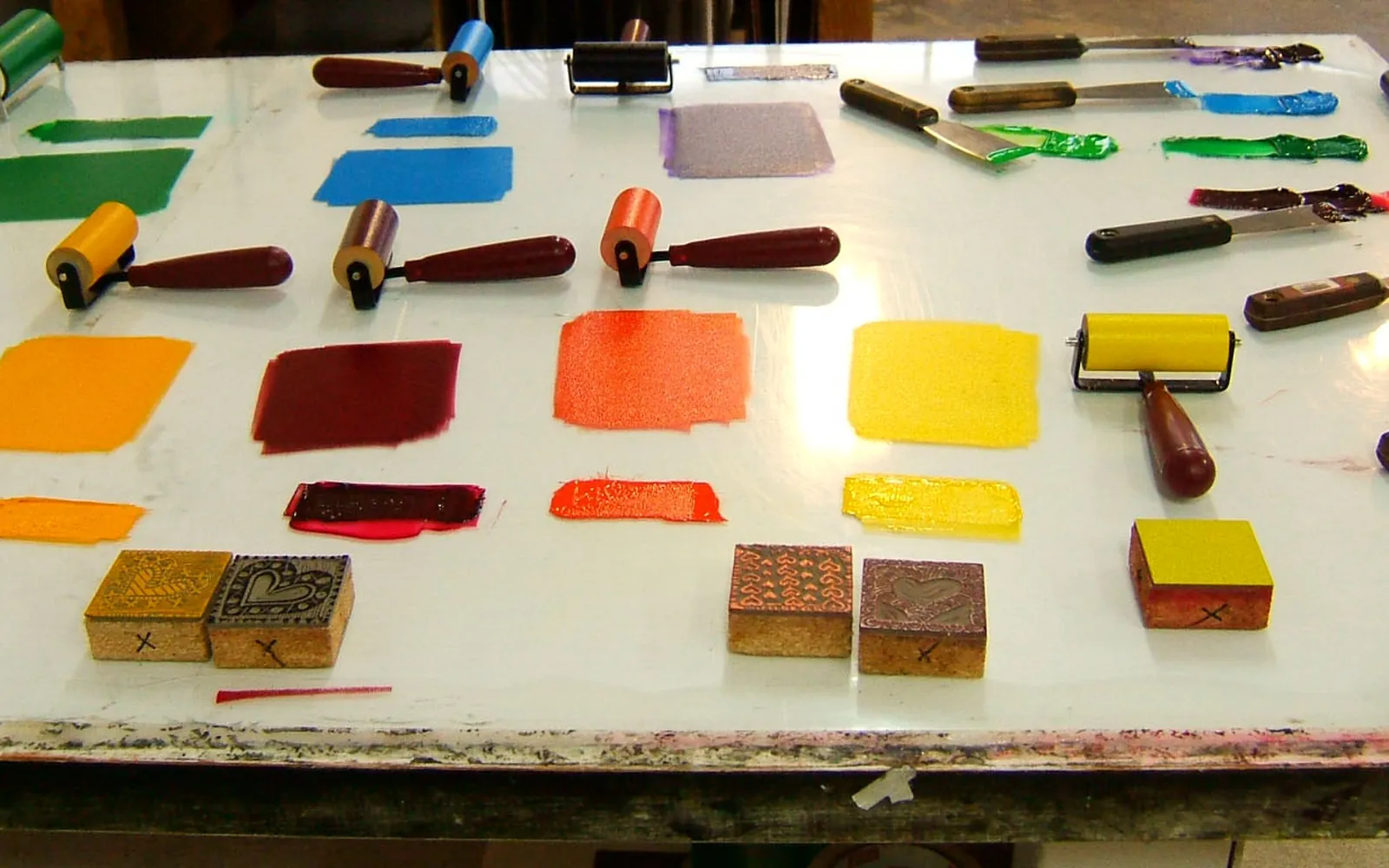
This is the version closest to printmaking. You need water-based block printing ink, a brayer (a small hand roller), a smooth inking surface such as a plastic tray or a sheet of acrylic, medium-weight paper or thin card to crumple, and smooth printing paper.
Crumple the sheet hard, open it and flatten it so that the creases stay sharp. Roll a little ink on the tray until it is even and thin, then roll it lightly over the crumpled sheet. Lay a clean sheet on top and rub firmly with the back of a spoon or a clean roller. Peel it off slowly.
The first print is usually strong and slightly blotchy; the second, taken without re-inking, is paler and finer. Printmakers call this second pull a ghost print. Wikipedia’s article on monotyping explains that most of the ink leaves the plate with the first print and that ghost prints differ noticeably from the original.
Why each print is unique
Tate describes a monoprint as a form of printmaking where the image can only be made once. A crumpled sheet behaves the same way. Each time you ink and press it, the creases flatten a little more and the ink settles differently, so no two prints match. Many artists find that freeing: there is no reason to be precious about any single print.
Turning prints into finished work
A crease print is a starting point, not an end point. Some ideas:
- Froissage drawing on a print. Look at the printed web and find figures, faces or landscapes in it, then draw them out with a fine pen, exactly as in a normal froissage.
- Collage. Cut the prints into shapes: rocks, tree bark, reptile skin, cracked earth. Our guide to froissage collage shows how to combine textured papers.
- Two-colour prints. Print in a light colour, let it dry, re-crumple a new plate and overprint in a darker colour.
- Seasonal projects. Print in reds, oranges and yellows for autumn leaves, or in black on orange for Halloween, and combine with our Halloween froissage monsters.
Troubleshooting
- Solid black patches: too much ink. Roll the ink thinner on the tray and use a lighter touch on the crumpled sheet.
- Hardly any lines: the sheet was flattened too much or the paper is too soft. Crumple a fresh sheet of thin card and keep the ridges sharp.
- Smudged prints: the printing paper moved. Hold one corner down while you rub, and peel it off in one slow movement.
- Paper ball sticks to the sheet: the paint is too wet. Blot the ball on scrap paper before each dab.
Materials and safety
Water-based inks and poster paints wash off hands, tables and tools with soap and water. Oil-based printing inks give rich results but need solvents or oil to clean, so keep them for adult studios with ventilation. Cover tables, use aprons, and have a drying line or rack ready before you start: wet prints take a lot of space.
In the classroom
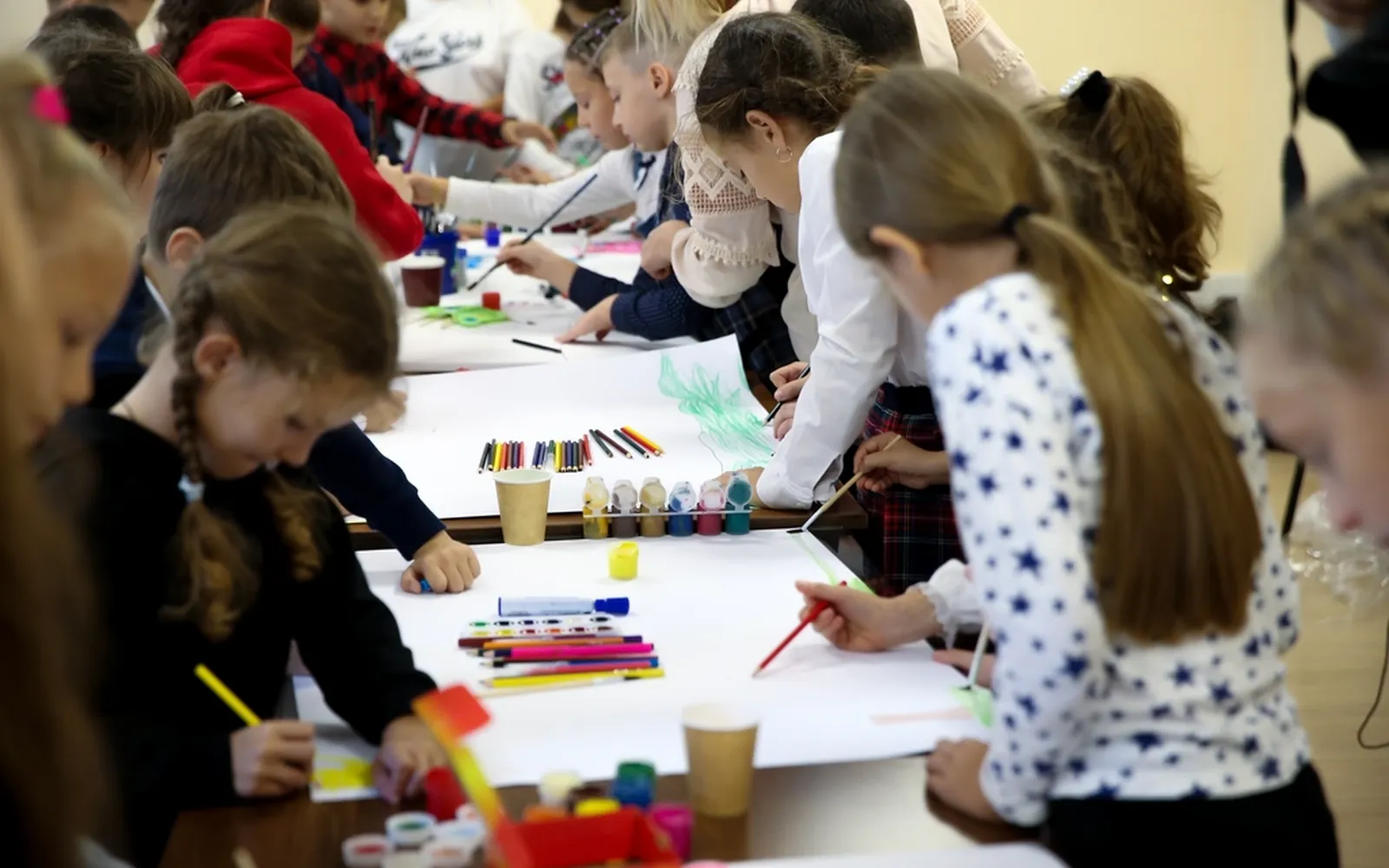
A practical sequence for a one-hour lesson: ten minutes of dab printing to fill backgrounds, twenty minutes of crease printing in pairs (one inks, one prints), and twenty minutes of drawing into the dry prints from the previous week. For a full froissage session to follow, see our froissage lesson plan.
Frequently asked questions
What is crumpled paper printing?
It is any printing method that uses crumpled paper as the tool. The two main versions are dabbing paint with a crumpled paper ball and inking a crumpled, flattened sheet with a roller so that its creases print onto another sheet.
What paint works best for crumpled paper printing?
For dab printing, ready-mixed poster or acrylic paint on a plate works well. For crease prints, water-based block printing ink rolled thin with a brayer gives the sharpest lines; thick paint fills the creases and blurs them.
Is a crease print a monoprint?
It behaves like one. Tate describes a monoprint as a print that can only be made once in that form. Because the crumpled sheet flattens a little more each time and the ink is never laid identically, every crease print is unique.
What is a ghost print?
A ghost print is a second impression taken from the same inked plate without re-inking. It is paler and softer than the first and often makes a useful background.
What age is crumpled paper printing suitable for?
Dab printing works with children from about three upwards. Crease prints with a roller suit children from about seven, adults and art students.
Sources
Editorial team
The Froissage.com editorial team researches the history of froissage from museum, encyclopedia and publisher sources and writes practical guides to the technique.