Technique
Momigami: Japan's Crumpled and Kneaded Paper Technique
Written by Froissage Editorial Team · Updated
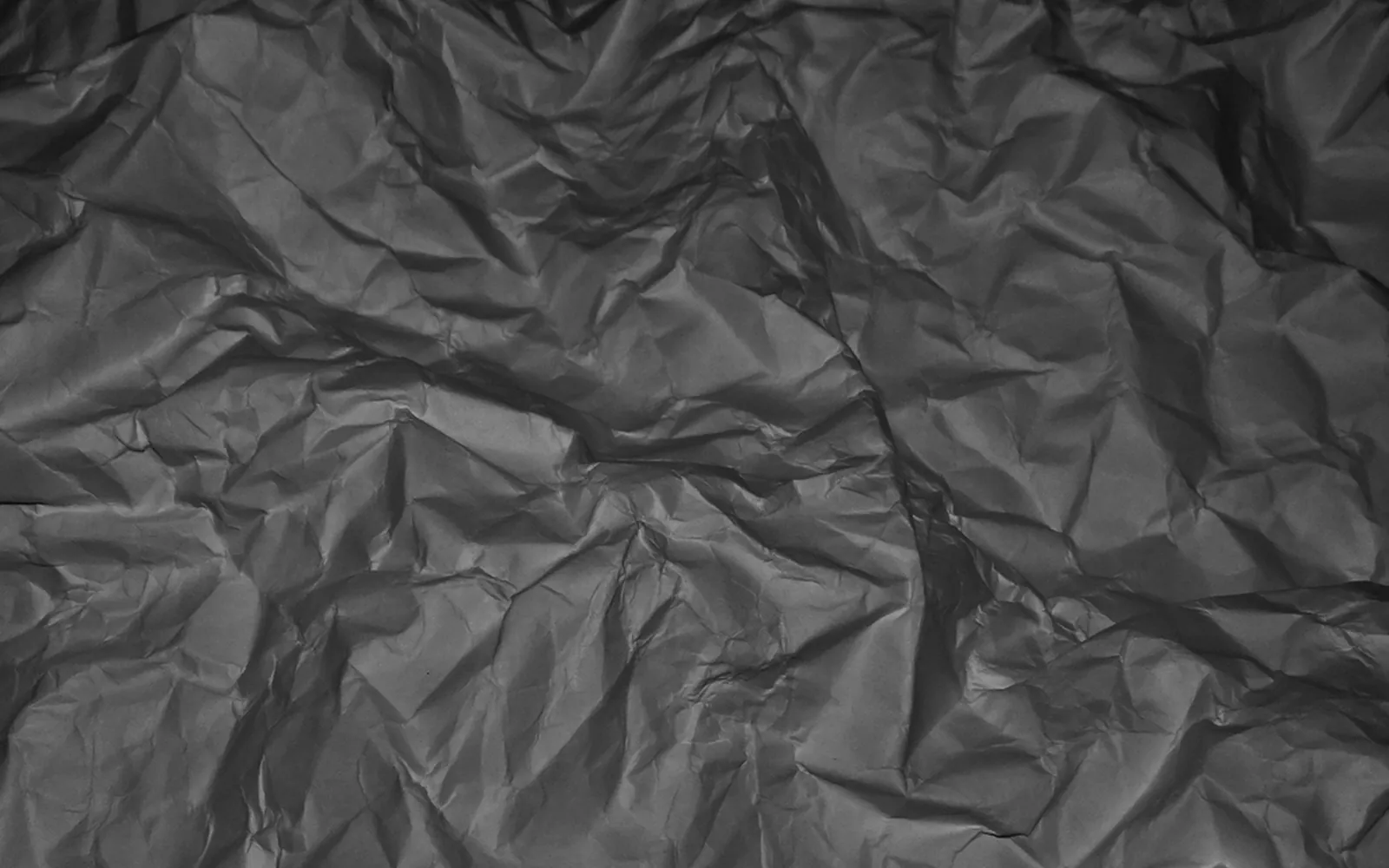
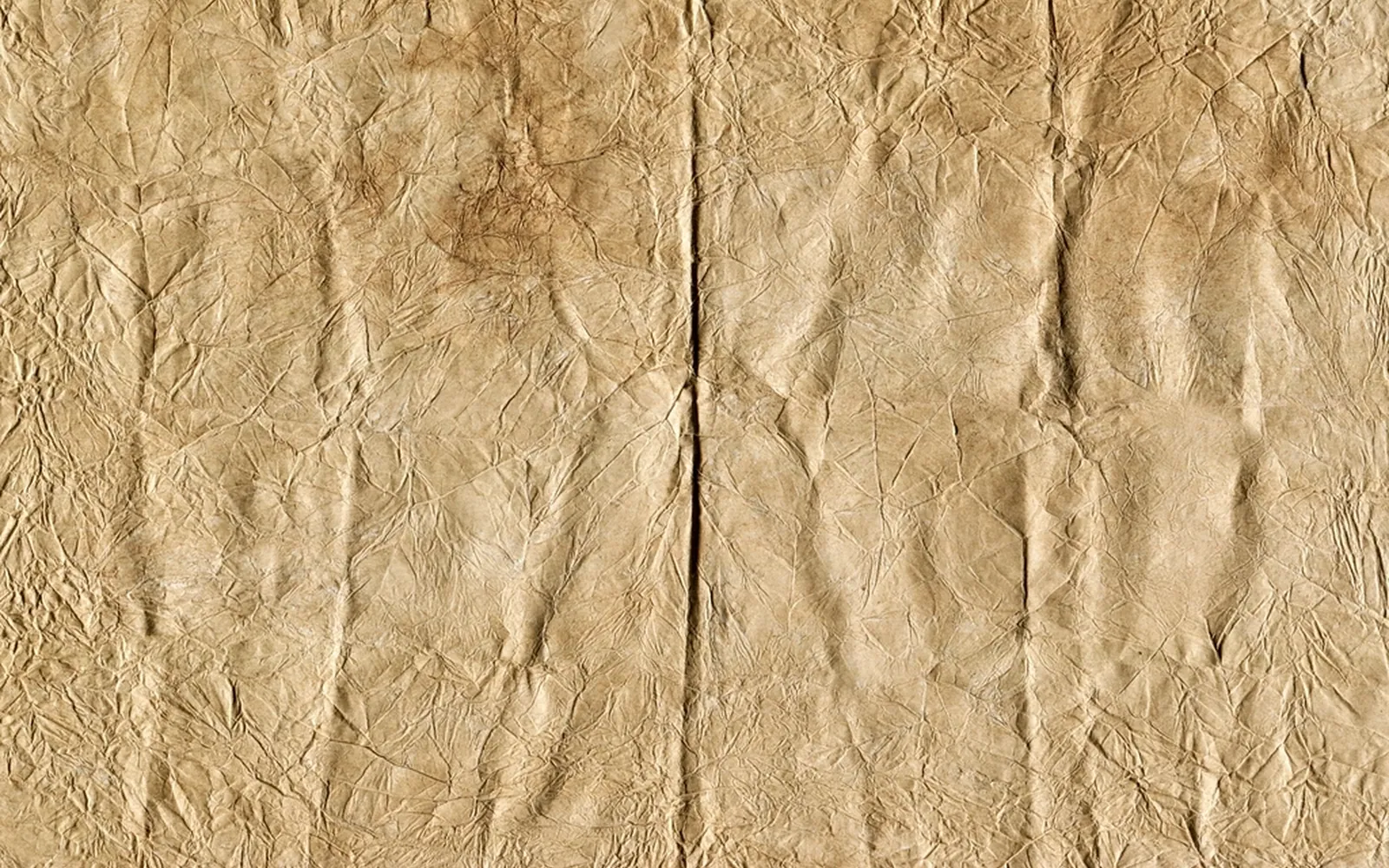
Momigami is the Japanese art of making paper soft by crumpling it. The word, written 揉み紙, is usually translated as “kneaded paper”. A sheet of strong washi is treated with a starch made from konnyaku, then crushed, opened and crushed again until it loses its stiffness and behaves almost like cloth or thin leather. It is crumpling with a practical purpose, and it makes a fascinating counterpart to froissage, where crumpling serves the imagination.
What momigami is
According to Wikipedia, momigami starts with kōzo paper, the strong washi made from the inner bark of the paper mulberry. Konnyaku starch is applied to strengthen it, giving the paper a leathery appearance. The sheet is then crumpled to achieve a high degree of flexibility. The starch coats and binds the long kōzo fibres, so they can bend thousands of times without breaking apart.
The result is a paper that drapes, folds without cracking and can be sewn. It keeps a fine, all-over crinkle texture that catches the light, similar to the facets of a froissage sheet but much denser and softer.
Washi and konnyaku
Washi is traditional Japanese handmade paper, made from the fibres of kōzo (paper mulberry), mitsumata or gampi. Wikipedia notes that it is usually tougher than Western wood-pulp paper, and that its strength and thinness make it a standard material for repairing historic paintings and books in museums and libraries. Japanese handmade paper is registered by UNESCO as intangible cultural heritage.
Konnyaku is the Japanese name for the konjac plant, whose corm is processed into a starchy paste and also into a familiar jelly-like food. In paper treatment, the paste acts as a size: it fills and coats the fibres. That is what lets momigami survive kneading that would reduce ordinary paper to fluff.
Kamiko: clothing made of paper
The most famous use of treated paper is clothing. Wikipedia’s article on paper clothing explains that the Chinese made paper garments very early, that the craft spread through Asia, and that from the 10th century onwards Japanese craftspeople produced paper garments called kamiko. Momigami, the Wikipedia momigami article adds, has been used to make inexpensive clothing for almost a millennium.
Kamiko became a speciality of Shiroishi, in Miyagi Prefecture, where it was made to a very high standard during the Edo period. The practice began to die out in the late 19th century and was revived in the mid-20th century.
Momigami also has a place in modern printmaking. Wikipedia mentions that the Japanese artist Sadao Watanabe made prints of biblical themes on momigami paper, where the soft, crinkled surface gives the image a textile-like quality.
Momigami and froissage compared
| Momigami | Froissage | |
|---|---|---|
| Purpose | Change the material: soft, strong, flexible | Create creases to draw from |
| Number of crumplings | Many, until the sheet softens | Usually one or a few |
| Treatment | Konnyaku starch | Ink or watercolour into the creases |
| Typical use | Clothing, bindings, wrapping, print paper | Drawing, painting, collage |
The two meet in one place: both prove that a crease is not damage but information. In froissage the network of creases is read like a landscape (see what is froissage). In momigami the creases are multiplied until they turn paper into a new material.
A simple momigami-style exercise
You can explore the effect at home without konnyaku. It will not match traditional momigami for strength, but it shows how kneading transforms paper.
- Take a sheet of sturdy brown kraft paper, or kōzo washi if you have some.
- Crumple it into a tight ball, squeezing hard.
- Open it and smooth it flat with your palms.
- Repeat ten to twenty times, turning the sheet each time so the creases run in all directions.
- When it feels soft and hangs from your hand like fabric, press it under a book.
Kraft paper treated this way looks surprisingly like leather. Some makers rub a little wax into the surface for a sheen. Try it for book covers, gift wrap, or as a textured ground for a collage. For a strong colour effect, brush thin ink over the softened sheet: it collects in the dense creases, much as in froissage with watercolour and ink.
Using momigami-style paper in art
- Collage. Softened paper glues flat without bubbling and adds a fine crackle texture to froissage collage.
- Sculpture. It can be moulded over forms like thin leather, a refined cousin of crumpled paper sculpture.
- Bookbinding. Kneaded kraft or washi makes flexible covers for simple stitched notebooks.
- Texture photography. The dense crinkle pattern is an excellent subject for crumpled paper texture photography.
Why kneading changes paper
Ordinary paper is a mat of fibres held together where they touch. Each crumple breaks some of those contacts and bends the fibres, so the sheet becomes more flexible but also weaker. Long, strong kōzo fibres survive this far better than the short fibres of wood-pulp paper, and the konnyaku coating holds them together while they loosen. That is why traditional momigami can be kneaded until it drapes, while a sheet of printer paper simply falls apart. The same fibre behaviour explains why creases never fully disappear from any crumpled sheet.
A note on care
Work slowly at first: if a sheet starts to split, it has been kneaded too hard for its weight. Very old or valuable Japanese papers should not be used for experiments. If you buy washi for this, ask the supplier which fibre it contains; kōzo papers are the most forgiving. And if you later want an ordinary crumpled sheet flat again, see how to flatten crumpled paper: momigami shows why the creases never entirely leave.
Frequently asked questions
What is momigami?
A traditional Japanese paper treatment, often translated as kneaded paper. Kōzo (mulberry) paper is strengthened with starch from konnyaku and then crumpled and kneaded until it becomes very flexible, with a leathery appearance.
What is konnyaku?
Konnyaku is the Japanese name for the konjac plant and for the starchy product made from its corm. In momigami a paste made from it coats the paper fibres, making the sheet stronger and more resistant to repeated crumpling.
What is kamiko?
Kamiko are Japanese garments made of paper. Wikipedia says Japanese craftspeople made them from the 10th century onwards, and that the craft reached a very high standard in Shiroishi, in Miyagi Prefecture, during the Edo period.
Is momigami the same as froissage?
No. Both crumple paper, but momigami does it to change the material, making it soft, strong and usable for clothing or bindings. Froissage crumples a sheet once to create creases that become the basis of a drawing.
Can I make momigami at home?
You can make a simplified version by repeatedly crumpling, opening and smoothing a sturdy sheet such as kraft paper or washi until it softens. Traditional momigami also uses konnyaku paste, which needs practice and drying time.
Sources
Editorial team
The Froissage.com editorial team researches the history of froissage from museum, encyclopedia and publisher sources and writes practical guides to the technique.